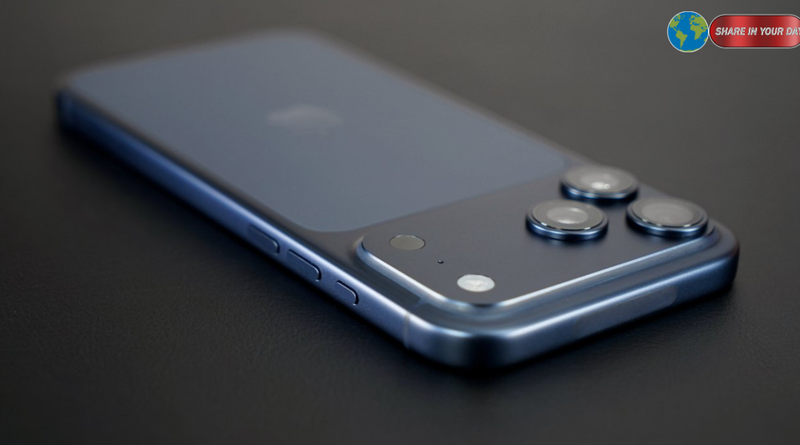
iPhone Price Hikes Could Continue as DRAM Costs Rise
The latest iPhone price hikes could be followed by another increase in 2027 as Apple faces significantly higher memory costs and a continuing shortage of DRAM.
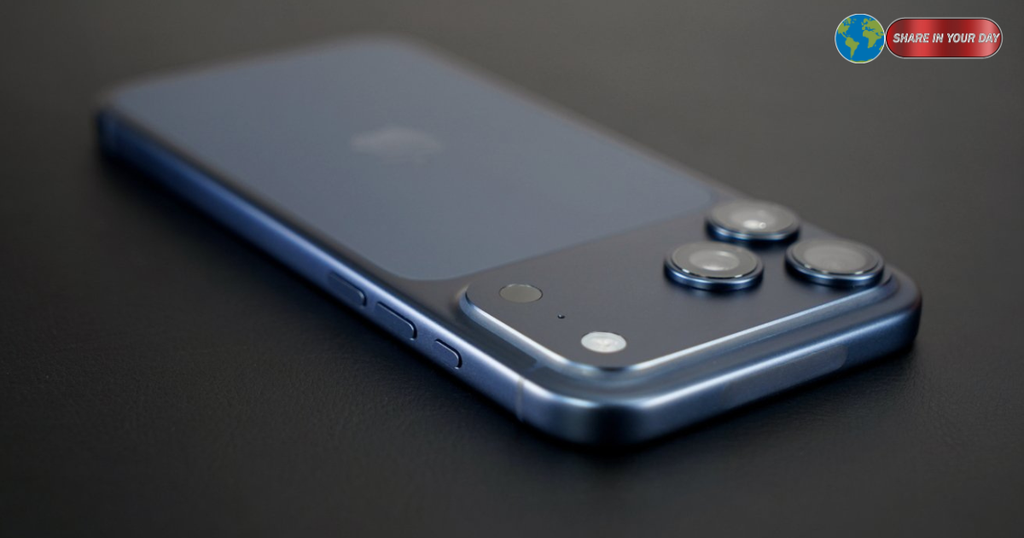
Apple has reportedly agreed to pay Samsung nearly $2 per gigabit for DRAM starting in 2027, compared with about $1.50 per gigabit under current pricing. The reported agreement represents a substantial increase in one of the components used across Apple’s hardware lineup. AAppleInsider+1
The development comes as the global memory market faces intense demand from artificial intelligence infrastructure. Major technology companies are purchasing large quantities of memory for data centers, putting pressure on the same manufacturing capacity used for consumer electronics.
For iPhone buyers, the concern is straightforward: if Apple’s component costs remain elevated, the company could eventually pass at least some of those costs on to customers.
However, the exact size and timing of any future iPhone price increase remain uncertain.
iPhone Price Hikes Could Continue in 2027
Apple has several ways to respond when component prices rise.
The company can absorb some of the additional expense, reduce margins, change component configurations, adjust storage pricing or raise retail prices. In practice, Apple has used a combination of those strategies as memory costs have increased.
According to AppleInsider, Apple’s reported 2027 DRAM pricing would increase from roughly $1.50 to $2 per gigabit. The report says the company has agreed to the higher price, citing separate reporting from DigiTimes. AAppleInsider
MacRumors separately reported that Apple had reportedly agreed to pay Samsung nearly $2 per gigabit for DRAM and about $0.33 per gigabit for NAND storage beginning in the first quarter of 2027. It noted that it remains unclear whether those higher component costs are already reflected in Apple’s current product pricing. MMacRumors
That distinction is important.
Higher component costs do not automatically translate into an equivalent increase in the retail price of an iPhone. Apple could choose to absorb some of the increase or offset it elsewhere.
Still, sustained memory inflation creates additional pressure on the company’s hardware business.
Why DRAM Prices Are Rising
The current memory shortage is closely connected to the rapid expansion of artificial intelligence infrastructure.
AI data centers require enormous quantities of advanced memory, particularly high-bandwidth memory, or HBM. Manufacturers producing HBM and conventional DRAM operate within the same broader semiconductor manufacturing ecosystem.
As more capacity is allocated to higher-value AI-related products, less capacity can be available for conventional memory used in PCs, smartphones and other consumer devices.
TrendForce said in its September 16 market bulletin that AI infrastructure demand was tightening DRAM supply, while consumer electronics manufacturers were facing increasing cost pressure. The research firm also said mobile DRAM costs were rising as suppliers shifted capacity toward server and HBM applications. TTrendForce
That creates a difficult environment for smartphone manufacturers.
They are not simply dealing with a temporary increase in the price of one component. Instead, manufacturers are competing for memory capacity in a market where AI infrastructure has become a major source of demand.
AI Data Centers Are Changing the Memory Market
The relationship between AI and smartphone prices may not be obvious to consumers.
A person buying an iPhone is not directly purchasing the memory used inside an AI data center. However, the same semiconductor industry supplies both markets.
AI companies and cloud providers are investing heavily in data centers designed to train and operate increasingly sophisticated AI models.
Those facilities require huge quantities of processors and memory. High-bandwidth memory is particularly important for AI accelerators because it allows large amounts of data to move quickly between memory and computing hardware.
As manufacturers devote more resources to AI-related memory, smartphone companies can face tighter availability and higher prices for mobile DRAM.
Reuters reported in September that smaller smartphone and laptop makers were already preparing for a prolonged memory shortage. The report cited SK Hynix’s CEO, who had described 2027 as potentially the industry’s most difficult year from a supply perspective. RReuters
Apple Has Already Raised Some Product Prices
The latest concerns do not come in isolation.
Apple has already increased prices on several products during 2026 amid rising memory costs. MacRumors reported that the company raised prices on Macs, iPads, Apple TV, HomePod products and Vision Pro in June, with some increases ranging from $100 to $300. MMacRumors
The iPhone lineup has also faced higher pricing.
AppleInsider reported that the iPhone 18 Pro models launched with starting prices $100 higher in the United States than their iPhone 17 Pro predecessors. The report also noted higher pricing for some older iPhone models and substantially higher prices for top storage configurations. AAppleInsider
That means consumers have already seen evidence that rising component costs can affect Apple’s pricing strategy.
The question now is whether the pressure continues into 2027.
How Much Could an iPhone Cost in 2027?
There is currently no confirmed Apple pricing for the 2027 iPhone lineup.
That makes precise predictions difficult.
A higher DRAM contract price does not mean Apple will simply add the same percentage to every iPhone. Apple’s pricing decisions depend on several variables, including component costs, currency movements, manufacturing expenses, product positioning, demand and competitive conditions.
Apple could also differentiate increases between models.
For example, the company might maintain the price of a base model while increasing the price of Pro or higher-storage versions. Alternatively, it could introduce a smaller increase across the lineup.
Apple has previously used different pricing strategies for different storage configurations, allowing it to manage higher component costs without applying an identical increase to every device.
Therefore, the reported DRAM price should be viewed as a warning sign for future pricing pressure rather than a confirmed 2027 iPhone price list.
iPhone 18 and the Rising Cost of Memory
Memory costs are already influencing the economics of Apple’s latest iPhone generation.
TrendForce estimated that the bill of materials for a 256GB iPhone 18 Pro could increase by about 38% year over year, with memory identified as a major contributor to the increase. The research firm said Apple could potentially absorb some of the additional costs through lower margins to keep consumer prices manageable. TTrendForce
This illustrates an important point about Apple’s pricing strategy.
A higher bill of materials does not necessarily result in an identical retail-price increase.
Manufacturers have several levers available. Apple can negotiate supplier contracts, alter product specifications, optimize production, absorb some costs or change pricing.
But if elevated costs continue for multiple product generations, maintaining previous prices becomes increasingly difficult.
Memory Shortage May Last Beyond 2027
One of the more important elements of the current situation is the expected duration of the memory shortage.
AppleInsider reported in August that major DRAM and HBM manufacturers had already sold much of their 2027 production capacity. The report cited industry sources who said the memory supply situation could remain problematic through at least the end of 2027. AAppleInsider
Reuters has also reported that some manufacturers expect the supply imbalance to extend beyond 2027.
According to Reuters, Fairphone expected supply to normalize from 2028, while SK Hynix’s CEO had previously said demand could outstrip capacity beyond 2030. RReuters
These projections do not mean iPhone prices will necessarily rise every year through 2030.
They do, however, demonstrate why the memory market has become an important issue for the consumer electronics industry.
Why 2028 Matters
The outlook for 2028 is particularly important because additional manufacturing capacity is expected to become available around that period.
New semiconductor facilities take years to build and bring online. Even when companies announce large investments, those facilities cannot immediately solve a shortage.
AppleInsider’s latest report says the supply-demand gap could remain significant through at least the first half of 2028. AAppleInsider
TrendForce’s current market data also shows that memory suppliers continue to prioritize server and HBM applications, maintaining pressure on mobile memory pricing. TTrendForce
If new capacity arrives as planned and AI-related demand eventually stabilizes, the market could become less constrained.
But if AI infrastructure investment continues to grow faster than memory production, additional capacity could be absorbed before it meaningfully reduces prices.
Apple Could Use More Memory-Efficient Designs
Higher DRAM prices could also influence Apple’s hardware decisions.
One possible response is to reduce the amount of memory required by individual devices or make more efficient use of existing capacity.
TrendForce has said smartphone manufacturers may need to optimize memory requirements at both the software and system-architecture levels as they deal with rising costs and tighter supply. TTrendForce
Apple has considerable control over both hardware and software, giving it more opportunities to optimize memory usage than manufacturers that rely heavily on third-party operating systems and components.
The company could therefore attempt to mitigate some of the cost increase through engineering changes rather than simply passing every additional dollar directly to customers.
That strategy, however, has limits.
As smartphones become more sophisticated and AI features become more demanding, memory requirements could rise rather than fall.
AI Features Could Increase Memory Demand
There is another complication for Apple.
While AI infrastructure is contributing to the global memory shortage, smartphones themselves are becoming increasingly dependent on AI processing.
On-device AI features require memory and computing resources.
Apple’s own AI strategy includes both on-device processing and cloud-based computing. As more AI capabilities are incorporated into smartphones, memory requirements could increase.
That creates a potential feedback loop.
AI data centers consume more memory capacity, pushing up prices. At the same time, consumer devices increasingly require memory to support AI functions.
Smartphone manufacturers therefore have to compete for memory while simultaneously developing products that may need more of it.
What This Means for iPhone Buyers
For consumers considering an iPhone purchase, the current situation does not necessarily mean they need to expect a specific price increase in 2027.
Apple has not published future iPhone prices.
Instead, the available evidence suggests that the company is facing a difficult component-cost environment.
Buyers may therefore see several possible outcomes:
- Higher starting prices on some future iPhone models.
- Larger increases for high-storage configurations.
- Greater price differences between standard and Pro models.
- Fewer discounts if Apple tries to protect margins.
- Changes to memory or storage configurations.
- Continued premium pricing for high-end iPhones.
Which strategy Apple ultimately chooses will depend on market conditions at the time.
Could Apple Absorb the Higher DRAM Costs?
Apple has historically had more financial flexibility than many smartphone manufacturers.
That gives the company an ability to absorb some component inflation without immediately transferring the entire cost to customers.
TrendForce specifically suggested that Apple could sacrifice some gross margin to limit the impact of higher component costs and maintain shipments. TTrendForce
However, absorbing higher costs indefinitely is difficult.
If memory prices remain elevated for several years, the cumulative impact becomes more significant.
Apple must also balance hardware margins against consumer demand. A very large price increase could affect upgrade decisions, particularly in mature smartphone markets where many consumers already keep devices for several years.
The Bigger Smartphone Industry Problem
Apple is far from the only company affected by the memory shortage.
Reuters reported that smaller smartphone and laptop manufacturers were already adapting their designs and purchasing strategies because of limited memory availability. Some companies have been placing orders well in advance or changing hardware configurations to deal with uncertain supply. RReuters
This means the issue is broader than the iPhone.
If memory prices remain high, manufacturers across the smartphone market could raise prices, reduce specifications or focus more heavily on premium devices where higher margins make expensive components easier to absorb.
Budget phones could face particular pressure.
Reuters cited Counterpoint Research’s forecast that global smartphone shipments could fall 13.9% in 2026 as higher memory costs make some lower-priced devices less economical to produce. RReuters
No Confirmed 2027 iPhone Price Yet
Despite the reports about Apple’s memory contracts, there is one critical point consumers should keep in mind: Apple has not confirmed 2027 iPhone pricing.
The reported $2-per-gigabit DRAM agreement indicates higher input costs, but it does not establish how Apple will price its future products.
Apple could absorb some of the cost.
It could raise prices.
It could adjust storage tiers.
Or it could use a combination of those strategies.
The same applies to predictions that there will be no relief until 2028. Current industry forecasts point toward prolonged tight supply, but semiconductor markets can change as production expands, demand shifts and manufacturers alter their capital spending plans.
Final Outlook for iPhone Price Hikes
The possibility of additional iPhone price hikes in 2027 is becoming more closely linked to the global memory shortage.
Apple reportedly faces DRAM prices of around $2 per gigabit in 2027, compared with approximately $1.50 today. At the same time, industry researchers and manufacturers are warning that AI infrastructure is absorbing a growing share of memory production capacity. AAppleInsider+1
The pressure could persist into 2028, although the timing of any improvement remains uncertain.
For Apple, the challenge is to balance expensive memory, increasingly demanding AI features and consumer expectations for competitive iPhone prices.
For consumers, the most important takeaway is that another price increase is possible but not yet confirmed.
The memory market will be one of the key factors to watch as Apple prepares its future iPhone generations.
Image recommendation: Use a licensed editorial image of aInsider, TrendForce and Reuters. The strongest supporting sources for the memory-market claims are TrendForce’s September 2026 DRAM bulletin and Reuters’ reporting on the broader memory recent iPhone model, preferably one you have permission to republish.
Suggested ALT text: iPhone price hikes could continue as DRAM costs rise through 2027
Suggested external sources: AppleInsider, TrendForce and Reuters. The strongest supporting sources for the memory-market claims are TrendForce’s September 2026 DRAM bulletin and Reuters’ reporting on the broader memory shortage. TTrendForce+1
Internal links: Replace these with relevant URLs from your own website, such as articles about Apple, iPhone 18, iOS, AI smartphones, or semiconductor shortages.