Germany and Russia Hold First Foreign Minister Talks Since 2022
Germany and Russia’s foreign ministers held their first direct talks in more than four years on Saturday, as Berlin and Moscow remain sharply divided over the war in Ukraine and a series of recent security disputes in Europe.
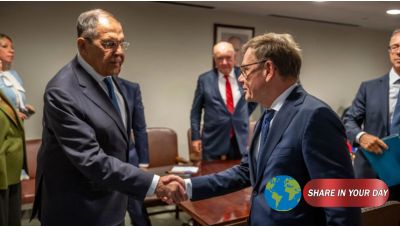
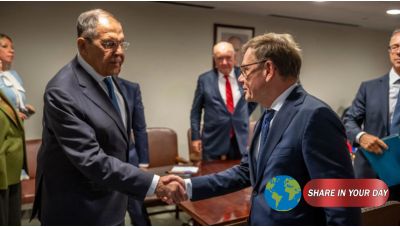
German Foreign Minister Johann Wadephul met Russian Foreign Minister Sergei Lavrov on the sidelines of the United Nations General Assembly in New York. The meeting was the first between the countries’ foreign ministers since before Russia launched its full-scale invasion of Ukraine in February 2022.
The rare diplomatic contact came amid renewed tensions between Germany and Russia. Berlin has accused Moscow of involvement in a suspected drone attack at Leipzig/Halle Airport, while Germany continues to provide political and military support to Ukraine.
Wadephul Presses Russia on Ukraine War
According to German delegation officials, Wadephul used the meeting to reiterate Berlin’s position on Russia’s war in Ukraine and call for an immediate ceasefire.
He also urged Moscow to take steps toward restoring grain exports through the Black Sea, an issue that has become increasingly important as attacks on vessels and port infrastructure have disrupted trade.
German officials said Wadephul stressed the urgency of reaching an arrangement that could allow grain shipments to resume.
The issue has consequences beyond Russia and Ukraine because disruptions to Black Sea agricultural exports can affect food supplies in countries that depend heavily on imports.
Wadephul reportedly told Lavrov that all sides needed to engage constructively because food shortages remained a concern, particularly in developing countries.
He also argued that a pragmatic agreement could potentially open the door to additional measures aimed at reducing tensions.
Russia and Germany Remain Far Apart
Despite the diplomatic meeting, there was little indication of a major breakthrough.
Lavrov said afterward that he had not heard anything from Wadephul that Germany had not already communicated publicly.
The Russian foreign minister said the German position had effectively been repeated during the conversation, suggesting that the meeting did not produce a significant change in Moscow’s assessment of Berlin.
Russia’s Foreign Ministry said the ministers discussed bilateral relations and the war in Ukraine.
The talks lasted roughly 20 minutes, according to reports. Russian officials said the German side had requested the meeting.
Black Sea Grain Exports Become Key Issue
One of the central topics was the future of commercial shipping in the Black Sea.
Russian and Ukrainian exports have been affected by attacks on vessels and port infrastructure as the war continues. Ukraine and its partners have pushed for arrangements that could protect shipping and potentially establish limited ceasefire measures involving the Black Sea and energy infrastructure.
Russia has not publicly offered clear support for all of those proposals.
Lavrov said Russia had discussed maritime security ideas with countries including India, Egypt and Turkey. He indicated that Moscow believed separate discussions with Ukraine would also be necessary.
The disagreement illustrates the broader challenge facing international efforts to establish even limited areas of cooperation between Moscow and Kyiv.
Tensions Between Berlin and Moscow
The diplomatic encounter took place against a backdrop of deteriorating relations between Germany and Russia.
Germany said earlier this month that it had concluded Russia was responsible for an attempted drone attack involving Leipzig/Halle Airport in August. Berlin subsequently announced measures including the closure of a Russian consulate and cultural centre.
Russia has rejected the German allegations, describing them as fabricated.
The dispute has added another layer of tension to relations already damaged by Russia’s invasion of Ukraine.
During his meeting with Lavrov, Wadephul reportedly called on Moscow to stop what Germany describes as an escalation toward Germany, Europe and NATO.
German officials also said Wadephul made clear that incidents such as the alleged Leipzig attack would not alter Berlin’s support for Ukraine.
Diplomatic Contact Despite Continuing Disputes
The meeting does not represent a restoration of normal relations between Germany and Russia. Instead, it provides a rare direct channel between two governments that have had limited high-level contact since the start of the full-scale war.
Germany remains one of Ukraine’s major European supporters, while Russia continues to demand changes to the European security environment and has rejected many Western positions on the war.
The timing of the talks was also significant because the United Nations General Assembly has brought senior officials from numerous countries to New York, creating opportunities for diplomatic contacts that might otherwise be difficult to arrange.
Lavrov had already held other meetings with international officials during the gathering, while German officials have continued discussions with Ukraine and European partners over the war.
What Comes Next
The immediate focus remains whether diplomatic channels can produce practical agreements on issues such as Black Sea shipping, energy infrastructure and a potential ceasefire.
For Germany, maintaining support for Ukraine remains central to its position. For Russia, negotiations over the conflict continue to be linked to its broader security demands and objections to Western involvement.
The Wadephul-Lavrov meeting therefore represents contact rather than a confirmed breakthrough.
Still, the fact that the two countries’ foreign ministers met directly for the first time since before the 2022 invasion provides another diplomatic channel at a moment when international efforts to address the war remain active.
Whether that channel develops into further negotiations will depend on Moscow’s and Berlin’s willingness to move beyond their sharply different positions on Ukraine, European security and their increasingly strained bilateral relationship.