China Exports Surge 36% as AI Demand Fuels Trade Boom
China’s exports surged by 36.3% year on year in September 2026, highlighting the growing importance of artificial intelligence (AI) infrastructure and technology products to the world’s second-largest economy. The sharp increase pushed monthly exports to $447.18 billion and helped China record a trade surplus of approximately $133.5 billion, according to customs figures reported on October 14.
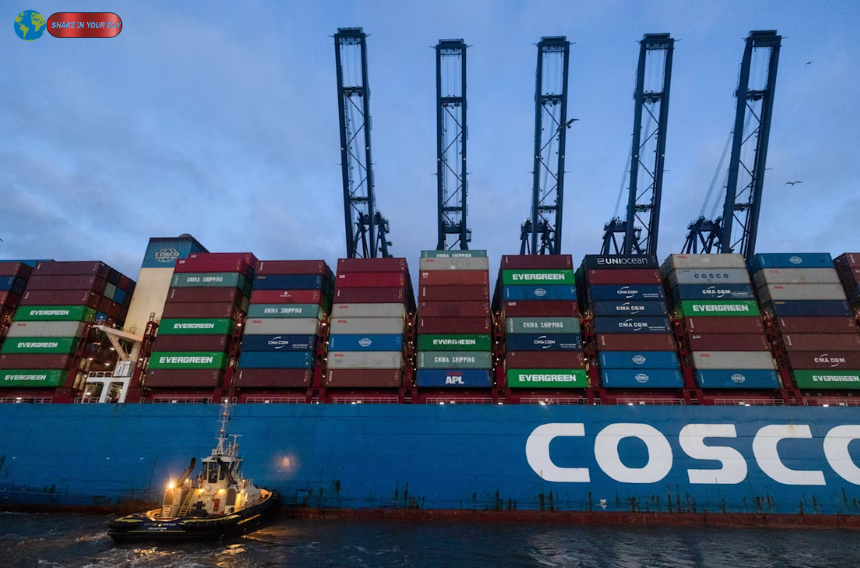
The China exports surge exceeded economists’ expectations and accelerated from the 25% growth recorded in August. Strong overseas demand for semiconductors, computing equipment, and other manufactured goods helped drive the increase, reinforcing China’s position as a major supplier to global technology and industrial markets.
The figures also put the country on course to surpass its record annual trade surplus of $1.2 trillion in 2025. However, the latest performance comes as policymakers face continued pressure to address trade imbalances and strengthen domestic consumption.
China Exports Surge as AI Demand Accelerates
The global expansion of AI infrastructure is emerging as a significant source of demand for Chinese manufacturers. Technology companies are investing heavily in data centers, computing systems, and the equipment needed to support increasingly sophisticated AI applications.
That investment is creating opportunities for suppliers of electronic components, computer equipment, and related industrial products. China benefits from an extensive manufacturing ecosystem that connects component producers, assembly facilities, logistics operators, and international distributors.
As a result, stronger demand for technology hardware can generate benefits across several parts of the country’s export industry.
Semiconductors are among the products attracting particular attention. Rising demand for chips and computing equipment reflects the infrastructure requirements of AI development, although export values can also change because of prices, product mix, and supply conditions.
The latest figures suggest that technology-related shipments have become an important contributor to China’s export performance. Nevertheless, the strength of one month’s data does not guarantee that the same pace of growth will continue throughout the remainder of the year.
Record Trade Surplus Highlights China’s Export Strength
China’s monthly trade surplus reached approximately $133.5 billion in September, representing the difference between the value of goods exported and imported during the month.
Exports totaled $447.18 billion, while imports rose by 31% year on year to approximately $313.65 billion. Although imports also increased substantially, export growth remained strong enough to produce a record monthly surplus.
For the first nine months of 2026, China’s cumulative trade surplus reached approximately $938.1 billion. That figure places the country within reach of another annual record, potentially exceeding the $1.2 trillion surplus recorded in 2025.
A large trade surplus reflects China’s ability to sell substantial quantities of goods to international customers. It can also provide support for economic activity when domestic spending and investment are less dynamic.
However, the surplus has broader implications for the global economy. Trading partners may interpret a widening gap between exports and imports as evidence that production and consumption remain unevenly balanced.
Why China’s Export Boom Matters to the Global Economy
China’s manufacturing sector plays a central role in international supply chains. Its factories produce products ranging from consumer electronics and industrial machinery to vehicles, electrical equipment, and components used in advanced technologies.
When global demand increases, Chinese manufacturers can often respond through established production networks and extensive supplier relationships.
The current expansion in AI investment adds another dimension to that role. Demand for computing infrastructure can support suppliers of electronic components and related equipment, creating additional export opportunities beyond traditional consumer goods.
For importing countries, competitively priced Chinese products can help businesses obtain equipment and components at lower costs. Consumers may also benefit when lower production costs translate into more affordable goods.
At the same time, rapid export growth can intensify concerns among competing manufacturers. Businesses in other economies may struggle to match Chinese production costs, particularly in industries where capacity is expanding quickly.
Governments may therefore face pressure to protect domestic industries while maintaining access to competitively priced imports.
Trade Tensions Could Challenge China’s Growth
China’s export performance has attracted scrutiny from major trading partners, including the United States and the European Union. Officials in several economies have raised concerns about industrial overcapacity, market access, and the competitive impact of Chinese manufactured goods.
A prolonged period of strong exports could intensify those disagreements, particularly if imports into China do not increase at a comparable pace.
Potential policy responses include tariffs, trade investigations, industrial subsidies, and negotiations over market access. Such measures can affect business decisions, supply chains, and the prices paid by consumers.
For Chinese exporters, the challenge will be to maintain overseas demand while navigating changing trade rules and geopolitical uncertainty.
Diversification across markets may help reduce dependence on individual destinations. However, expanding into new regions does not eliminate the risks associated with weaker global demand or rising trade barriers.
The sustainability of the export boom will therefore depend partly on whether manufacturers can preserve their competitiveness while adapting to changing international conditions.
Domestic Demand Remains a Key Economic Challenge
Strong exports provide an important source of support for China’s economy, but overseas sales cannot necessarily resolve every domestic economic problem.
Household consumption, private investment, and conditions in the property market remain important factors in determining the economy’s broader direction. When domestic demand is weak, manufacturers may depend more heavily on international customers to sustain production and revenue.
A growing trade surplus can therefore indicate both industrial strength and an imbalance between domestic production and spending.
Economists and policymakers have long discussed the importance of encouraging households to spend more and reducing the economy’s reliance on investment and exports. Stronger domestic consumption could help create a more balanced foundation for long-term growth.
For now, the latest trade figures show that foreign demand continues to provide considerable support. Whether that momentum translates into more balanced economic growth will depend on developments in household spending, business investment, and international trade.
Outlook: Can China Maintain Its Export Momentum?
China’s September export performance demonstrates the strength of its manufacturing base and the opportunities created by rising global demand for AI-related products.
The 36.3% annual increase in exports, combined with a record monthly trade surplus, gives the economy a significant external boost. Semiconductor shipments, computing equipment, and other manufactured products are helping Chinese companies participate in expanding technology supply chains.
However, several uncertainties remain. Trade disputes could restrict access to major markets, while changes in AI investment or global economic conditions could affect demand for technology hardware.
The composition of export growth also matters. Higher export values do not always indicate an equivalent increase in physical shipment volumes, since prices and product mix can influence the figures.
Investors, manufacturers, and policymakers will therefore be watching upcoming trade data for evidence that the September surge represents a durable trend rather than a temporary acceleration.
For China, the immediate message is clear: overseas demand remains a powerful economic driver. The longer-term challenge is to turn that export strength into sustainable growth while managing trade tensions and encouraging stronger domestic consumption.