Microplastics May Generate Harmful Reactive Molecules in Water, New Study Finds
Tiny plastic particles are attracting renewed scientific attention after researchers discovered a chemical process that could help explain how microplastics damage living organisms. The findings suggest that these particles may be more chemically active than previously assumed, potentially creating unstable molecules capable of harming biological systems.
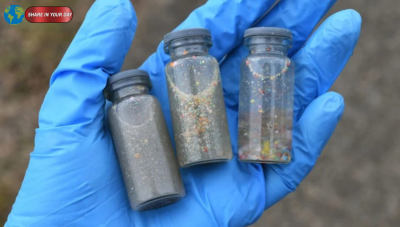
The study, conducted by researchers at Columbia University and collaborators, examines how microplastics interact with water. Published in the journal Nature in October 2026, the research identifies a potentially overlooked mechanism through which microscopic plastic fragments could affect human health and the environment.
Although scientists have long investigated the dangers of plastic pollution, the new findings raise important questions about what happens when discarded plastic breaks down into increasingly smaller particles.
Microplastics May Be More Chemically Active Than Expected
Microplastics are generally defined as plastic particles smaller than five millimeters. They form as larger plastic products gradually fragment through exposure to sunlight, environmental conditions, physical wear, and other processes.
These particles have become widespread in the natural environment, appearing in waterways, oceans, soil, and other surroundings. Researchers have also investigated their presence in food, drinking water, and the human body.
One longstanding assumption about plastic is that many plastic materials remain relatively chemically stable under ordinary conditions. This stability has helped make plastics useful for countless applications, including food packaging, household products, medical equipment, and consumer electronics.
However, the latest research suggests that breaking plastic into smaller fragments may change how it interacts with its surroundings.
The researchers found that microplastics can spontaneously generate highly reactive molecules known as free radicals when exposed to water. These unstable chemical species can participate in reactions that potentially damage cells and other biological structures.
The discovery offers a possible explanation for some of the harmful effects associated with microplastic exposure, although scientists have not yet established how much this particular process contributes to human disease.
Why Smaller Plastic Particles Could Create Greater Risks
An important factor in the research is the relationship between particle size and surface area.
When a piece of plastic breaks into smaller fragments, its total exposed surface area can increase substantially. This creates more opportunities for chemical interactions between the plastic and its surrounding environment.
According to Wei Min, a senior author of the study and a professor of chemistry and biomedical engineering at Columbia University, these fragments can alter the water around them and generate reactive radicals.
The researchers believe these molecules could contribute to biological damage observed in animals exposed to microplastics and potentially produce similar effects in humans.
This mechanism matters because microplastics are not simply inert pieces of material moving through the environment. Their chemical behavior may change as they fragment, meaning their potential effects could depend on more than the amount of plastic present.
Particle size, chemical composition, surrounding conditions, and exposure duration could all influence the reactions that occur.
The findings also suggest that researchers may need to examine the chemical activity of microplastics more closely when assessing their environmental and biological effects.
Possible Connections to Human Health
The discovery raises questions about whether microplastics could generate reactive molecules inside the human body.
Because the body contains substantial amounts of water, scientists consider it plausible that similar chemical reactions could occur when plastic particles enter biological environments. Researchers have also suggested that exposure through contaminated drinking water could warrant further investigation.
Free radicals are not inherently harmful in every circumstance. The body naturally produces reactive molecules during normal biological processes and uses protective systems to regulate them.
Problems can arise when reactive molecules overwhelm these defenses or disrupt normal cellular activity. This imbalance, commonly associated with oxidative stress, has been linked to several forms of biological damage.
Researchers are investigating whether microplastic-related chemical reactions could contribute to inflammation, impaired immune function, and changes in metabolism.
However, the new study does not establish that drinking water containing microplastics causes these conditions. Instead, it identifies a chemical mechanism that could help scientists understand how certain exposures might affect biological systems.
More research is needed to determine whether the reactions observed under experimental conditions occur at meaningful levels inside the human body.
Scientists Still Need to Establish the Actual Risks
Despite growing concern about microplastic pollution, important questions remain unanswered.
Scientists still need to determine how much exposure people experience over time, which particle types pose the greatest risks, and whether different tissues respond differently to contamination.
Age and other biological factors could also influence how the body handles exposure. Researchers must establish whether the amount of microplastic entering the body is sufficient to produce measurable health effects and how those effects might vary among individuals.
It is equally important to distinguish between identifying a potentially harmful mechanism and proving that it causes disease in people.
The latest findings strengthen the scientific case for examining microplastics more carefully, but they do not establish a direct causal relationship between everyday exposure and particular medical conditions.
Environmental consequences are another major concern. Plastic pollution is already a persistent problem for marine ecosystems, where animals can encounter or ingest plastic fragments. Understanding the chemical behavior of those fragments could help researchers assess risks beyond the physical presence of plastic itself.
Could the Research Lead to Safer Plastics?
The study may eventually help scientists develop better ways to manufacture plastic products that are less likely to generate reactive molecules as they degrade.
If researchers can identify which materials, additives, or environmental conditions encourage the formation of free radicals, manufacturers may be able to modify plastic formulations to reduce potentially harmful chemical activity.
Such changes could complement broader efforts to reduce plastic waste, improve recycling, and limit the release of plastic particles into the environment.
For now, the findings represent an important step toward understanding a complicated pollution problem. Scientists have identified a potential chemical pathway connecting microplastics with biological damage, but its significance for human health remains uncertain.
Further studies will be needed to determine how frequently this process occurs outside the laboratory and whether reducing exposure can meaningfully lower health risks.
The central message is that microplastics may do more than persist as tiny fragments of discarded material. Their interactions with water could trigger chemical reactions that deserve closer investigation, opening a new direction for research into plastic pollution and its long-term consequences.
As scientists continue examining these particles, understanding their chemical behavior may become just as important as measuring how much plastic enters the environment.