‘We Never Wanted to Fight’: Cambodia Says as Trump Prepares to Call for Ceasefire
Cambodia has reiterated that it never intended to enter a conflict with Thailand as the border crisis between the two nations deepens and international concern intensifies. The reaffirmation comes as former US President Donald Trump announced he would personally contact both governments in a bid to halt the escalating violence.
Government spokesperson Pen Bona said Cambodia’s position had been consistent from the start.
“We stand for peace. We want peace and never want to fight,” he told Kiripost on Wednesday. “We fought back only to defend ourselves. Cambodia does not want war.”
His comments come as cross-border fighting enters its fourth day, with dozens of civilians and soldiers reportedly killed or wounded. More than 127,000 Cambodians have fled their homes across several northern and western provinces, marking one of the largest displacements in recent years.
Trump: ‘I’ll Make a Phone Call’ to Stop the Fighting
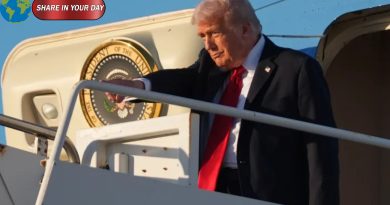
Speaking at a campaign-style event in Pennsylvania, Trump said he intended to intervene directly.
“Tomorrow I’ll have to make a phone call,” he said, according to US media. “Who else could say, ‘I’m going to make a phone call and stop a war of two very powerful countries’? We’re making peace through strength.”
He referenced similar efforts earlier this year, when he and Malaysia attempted to broker a ceasefire following clashes in July. Malaysia is expected to be involved again—though officials in Kuala Lumpur have not confirmed any new initiative.
Thai Strikes Expand Into Civilian Zones
Cambodia has accused Thailand of intensifying attacks across multiple border districts. Officials say Thai F-16 fighter jets carried out airstrikes in Banteay Meanchey, Pursat, and Battambang provinces, striking civilian property and infrastructure. The claims add to growing alarm from humanitarian agencies as thousands seek refuge in makeshift shelters.
Bangkok, however, maintains that it will not accept mediation this time. Thai Prime Minister Anutin Charnvirakul has insisted the matter is solely between the two countries, despite mounting diplomatic pressure.
Collapse of the Kuala Lumpur Peace Accord
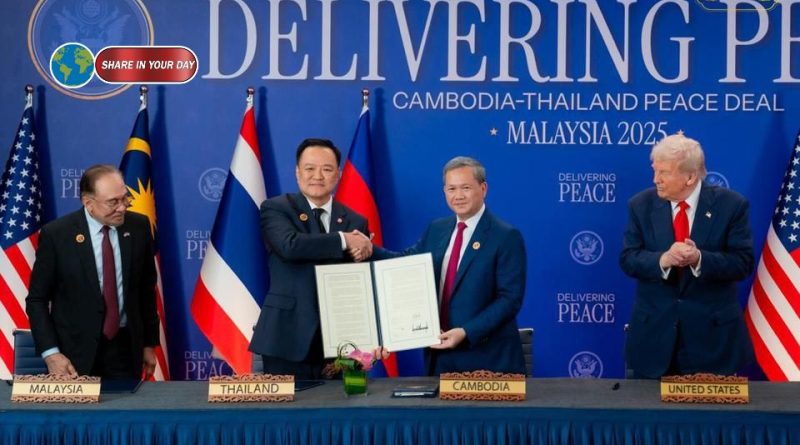
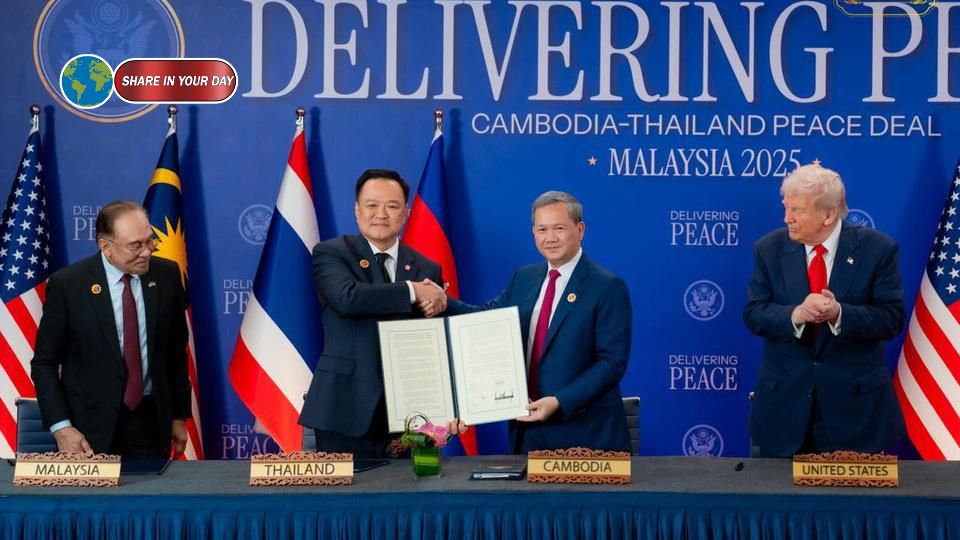
The fast-deteriorating situation has cast doubt over the Kuala Lumpur Peace Accord, signed on October 26 and witnessed by Trump and Malaysian Prime Minister Anwar Ibrahim. Thai media outlet Khaosod English reported that Thailand has effectively nullified the agreement, further complicating efforts to de-escalate the crisis.
Nevertheless, Cambodian officials say they remain ready for dialogue.
Suos Yara, special adviser to Prime Minister Hun Manet, told Reuters that Cambodia was prepared for talks immediately—“one hour from now”—if Thailand agreed. But he stressed that Phnom Penh would not initiate the first move without “mutually agreed goodwill.”
Speaking to Channel News Asia, Yara criticized claims from Thailand that the conflict was initiated by military actors rather than government decisions.
“That is not correct,” he said. “The government rules the country, not the military.”
He added that Cambodia’s “door is always open,” but questioned who in Thailand held the authority to negotiate amid apparent internal divisions.
Trigger Point: Accusations Over Landmines
Border demarcation teams had been working only days before the fighting resumed. Tensions flared after Thai soldiers were reportedly wounded by landmines, which Thai authorities accused Cambodia of newly planting. Cambodia has repeatedly denied the allegation, saying it remains committed to previous ceasefire commitments.
For now, both sides accuse the other of violating the agreement.
Global Community Calls for De-escalation
International pressure is mounting as the conflict widens.
US Secretary of State Marco Rubio urged an immediate halt to hostilities, calling on both nations to protect civilians and return to established de-escalation mechanisms.
China, the United Kingdom, France, Japan, Singapore, Australia, and the United Nations have echoed the call, pressing for restraint and a swift return to negotiations.
In Malaysia, a New Straits Times report claiming that Anwar would begin ceasefire talks at 11 p.m. on Wednesday was abruptly removed. Anwar’s office later said updates would only be provided “if there are significant developments,” leaving questions about ASEAN’s next move.
For Cambodia, however, the message remains unchanged.
“We never wanted to fight,” Pen Bona said. “Our position is, and always has been, peace.”