
400,000-Year-Old Neanderthal Campfire Found in UK: A Glimpse into Early Fire-Making
Archaeologists excavating a prehistoric site in southern England have made an extraordinary discovery—one that pushes back the timeline for when Neanderthals first began deliberately creating fire. The site, located in Barnham, Suffolk, offers the oldest-known evidence of controlled fire-making by humans, dating back an astonishing 400,000 years.

The research, published this week in Nature, reveals compelling evidence that early Neanderthals not only used fire, but intentionally brought iron pyrite to the area in order to create flames. The findings offer a rare glimpse into the daily lives of Neanderthals and underscore the critical role fire played in human evolution.
A New Chapter in Fire-Making History
The site in Barnham, thought to have been a watering hole surrounded by lush vegetation, was once home to Neanderthals. Archaeologists uncovered a hearth, along with heated clay and fragments of handaxes shattered by intense heat. But what truly sets this discovery apart is the presence of two pieces of iron pyrite. This mineral, which creates sparks when struck against flint, was not native to the area, suggesting that the Neanderthals deliberately brought it to the site—presumably to make fire.
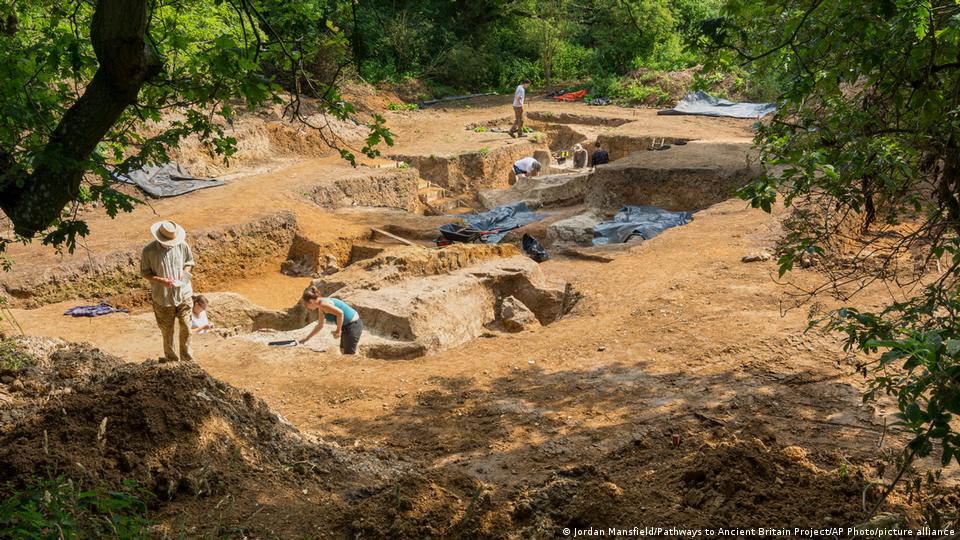
Nick Ashton, the lead archaeologist and curator of Palaeolithic Collections at the British Museum, explained the significance of the find: “We think humans brought pyrite to the site with the intention of making fire. This has huge implications for pushing back the earliest fire-making in human history.”
The Age of Fire-Making: Why This Discovery Matters
Until now, the oldest-known evidence of deliberate fire-making by Neanderthals came from a site in northern France, dated to approximately 50,000 years ago. The discovery in Barnham, however, is nearly eight times older, shedding new light on the sophistication and technological prowess of Neanderthal communities.
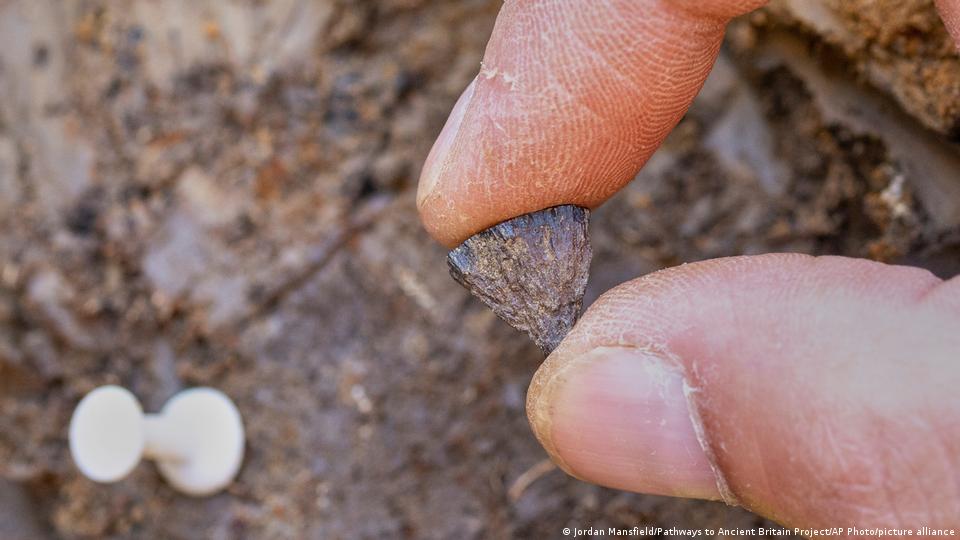
The researchers’ analysis of the site suggests that the Neanderthals were not merely opportunistic users of natural fires, such as those caused by lightning strikes or wildfires. Instead, they seem to have taken proactive steps to create and control fire, a skill that would have been invaluable for survival in the harsh climates of prehistoric Europe.
Neanderthals: The Masters of Fire
The ability to control fire was a game-changer in the evolution of early humans. For Neanderthals, fire offered several survival advantages. It provided warmth, which was crucial in colder environments like those of Britain, where temperatures often dipped far below freezing. The controlled use of fire also allowed for cooking, which would have made food more digestible and nutritious, improving overall health and enabling the growth of larger brains.

In addition to the physiological benefits, fire had profound social implications. Early humans used fire to gather around in groups for warmth and protection. Archaeologist Rob Davis, a co-author of the study, noted, “The campfire becomes a social hub. We’re a species who have used fire to really shape the world around us.”
The controlled use of fire likely facilitated the development of social structures, language, and perhaps even the earliest forms of storytelling—activities that would have been essential for bonding and cooperation among members of a group. The hearth, therefore, not only fed the body but also nurtured the development of human culture.
Who Were the Fire-Makers?
While no human remains were found at the Barnham site, researchers believe that the fire-makers were early Neanderthals, similar to those whose remains were discovered at nearby sites, such as Swanscombe in southern England and Sima de los Huesos in Spain. Chris Stringer, a paleoanthropologist at the Natural History Museum in London and co-author of the study, explained that the Barnham fire-makers were very likely part of the same early Neanderthal population that inhabited these other regions.
Despite their eventual extinction around 39,000 years ago, Neanderthals left a lasting legacy. Genetic evidence suggests that they interbred with modern humans, and many people of European and Asian descent carry traces of Neanderthal DNA in their genomes.
The Significance of the Barnham Discovery
This groundbreaking discovery not only alters our understanding of Neanderthal capabilities but also underscores the importance of fire in the evolution of early human societies. It challenges previous notions of when and how prehistoric humans first began to harness the power of fire, offering new insights into their daily lives and technological innovations.
The Barnham site is also a testament to the ingenuity of Neanderthals, whose ability to adapt to their environment and develop tools for survival continues to fascinate scientists today. As researchers continue to study this site, they hope to uncover even more evidence of Neanderthal culture, shedding light on the complex and multifaceted nature of our ancient relatives.
Looking Ahead
As technology advances and excavation techniques improve, more discoveries like the one at Barnham are likely to emerge, further enriching our understanding of Neanderthal life. The controlled use of fire represents just one aspect of their survival toolkit, but it’s a critical one that played a foundational role in the development of human civilization.
With this discovery, the timeline of human evolution is once again being rewritten, and the Neanderthals are emerging as more than just early humans—they were innovators in their own right.