Canada Turns U.S. Alcohol Boycott Into Charity Boost for Food Banks
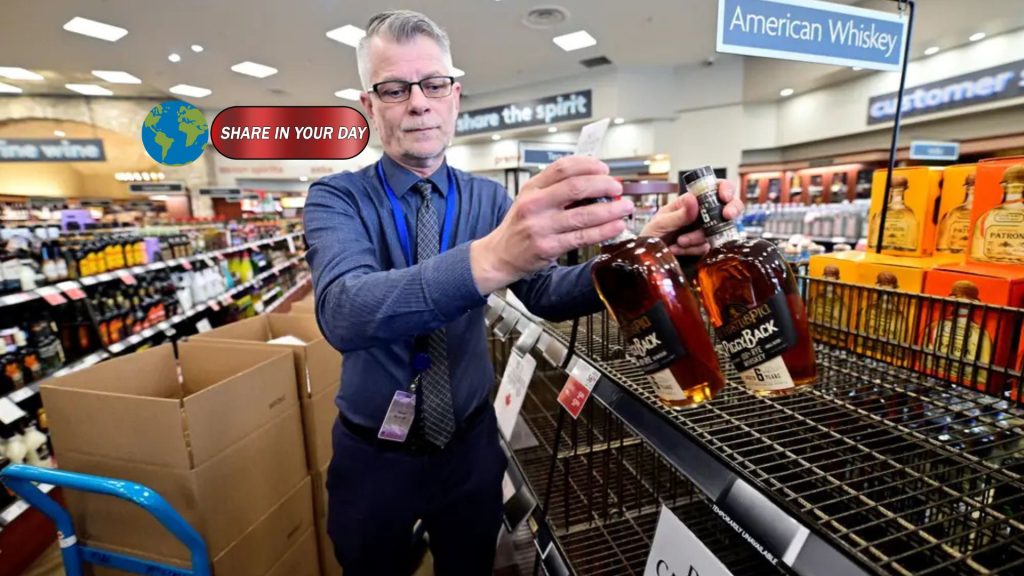
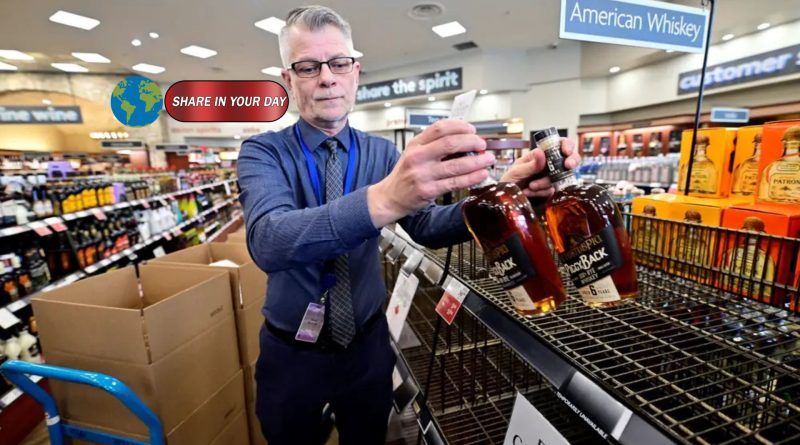
In response to steep tariffs imposed by the United States earlier in 2025, several Canadian provinces pulled American-made alcohol off shelves and halted imports — leaving governments with large stockpiles of U.S. spirits, wine and beer.
As trade tensions linger, a growing number of provinces are now turning that inventory into support for communities in need. Rather than letting the U.S. booze go to waste, governments are selling the products and using the revenue to benefit food banks and other charitable organizations across the country.
Provinces Selling and Donating Proceeds
Prince Edward Island has already begun selling its stock of American liquor. Officials estimate the province will generate roughly C$600,000 in net proceeds — funds earmarked for local food banks just in time for the winter season.
Newfoundland and Labrador announced it will sell its approximately C$3.2 million inventory of U.S. booze, with projected profits around C$1 million directed to the Community Food Sharing Association, which supports roughly 60 food banks province-wide.
Manitoba has introduced sales of its stored U.S. alcohol through private retailers and liquor outlets. Premier Wab Kinew said initial plans could raise about C$500,000 for holiday charities and food distribution services, including cheer boards in Winnipeg, Brandon and Thompson.
Nova Scotia continues to sell off roughly C$14 million of American liquor, with proceeds of an estimated C$4 million already committed to provincial food access organizations.
These initiatives reflect pragmatism amid strained North American trade relations: the alcohol was already paid for by taxpayers, and directing the proceeds to communities in need helps mitigate waste while addressing rising food insecurity.
Ontario’s Stockpile Debate
Ontario, home to the Liquor Control Board of Ontario (LCBO), has taken a more cautious approach. The province pulled an estimated C$80 million worth of U.S. alcohol from sale in March and continues to hold it in storage.
Provincial Liberal lawmakers and local MPPs are urging the Ford government to place that inventory back on shelves and donate the proceeds to food banks and charities. Critics argue leaving the stockpile idle is wasteful, especially as food-bank demand rises.
For now, Ontario’s government says it is reviewing options, though it has made no commitment to sell the inventory.
A Patchwork of Approaches Across Canada
Canada’s provincial alcohol regulators each govern their own retail systems, which has led to varied responses:
- British Columbia, the Northwest Territories, and the Yukon continue to sell stockpiled U.S. products until depleted.
- Alberta reversed its earlier ban and resumed U.S. liquor imports, emphasizing open trade with its largest partner.
- Other regions remain undecided on how to manage their inventories.
Impact on U.S. Suppliers
The reduction of American alcohol imports has had a tangible impact on U.S. distillers. Exports to Canada fell sharply in mid-2025, with industry representatives warning that the boycott could significantly affect producers — particularly those specializing in bourbon.
Bottom line: What began as a political response to U.S. tariffs has evolved into a creative provincial strategy — turning unsold products into funding for food security at home