Thai F-16 Fighter Jets Bomb Victory Bridge Again, Cutting It Off Despite Ceasefire Announcement
December 13, 2025
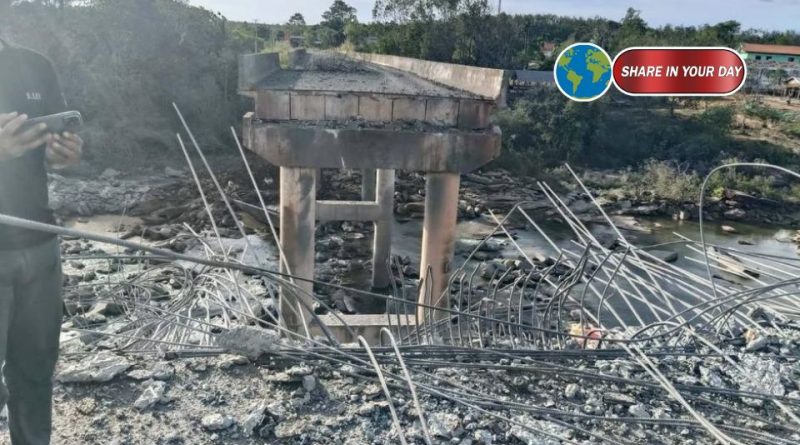
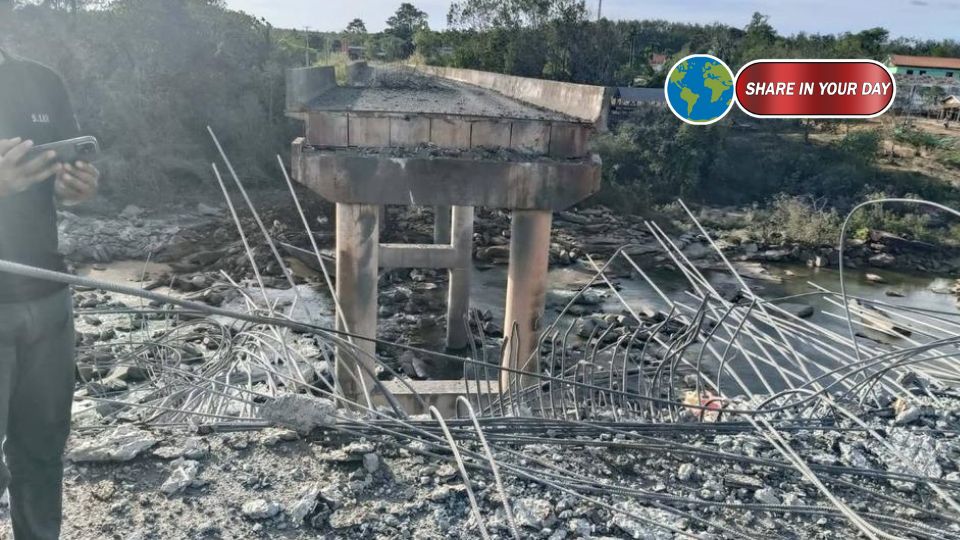
In a troubling escalation of the ongoing conflict, Thai F-16 fighter jets bombed the Victory Bridge in Pursat province for the second time on Saturday afternoon, cutting off a crucial civilian crossing despite an earlier ceasefire announcement by U.S. President Donald Trump.
The renewed strike, which took place at 3:44 PM local time on December 13, 2025, targeted the Chey Chomneas Bridge—part of the strategic infrastructure connecting key regions in Cambodia. The Cambodian Ministry of National Defence confirmed the attack, noting that it hit civilian infrastructure in the 5th Military Region, specifically in the Thmar Da commune of Veal Veng district.
The bombing came just hours after U.S. President Donald Trump announced that Cambodian Prime Minister Hun Manet and Thai Prime Minister Anutin Charnvirakul had agreed to halt hostilities, raising immediate concerns about the effectiveness of the ceasefire agreement.
The Impact of the Attack
The Victory Bridge, a vital connection for both civilian and military movement, has now been severed, further isolating the communities in the region and exacerbating the humanitarian crisis caused by the conflict. The bridge is a key route for transportation of goods and services, and its destruction disrupts vital supply chains, complicating efforts to deliver aid and support to affected areas.
This second bombing highlights the ongoing instability in the region, as it appears that military actions continue despite international diplomatic efforts to bring about a ceasefire. The question remains: Can the ceasefire be sustained if such attacks persist?
The Ceasefire Agreement and Its Fragility
Earlier in the day, President Trump had announced that both Cambodia and Thailand had agreed to halt the fighting, bringing hopes of de-escalation and a potential end to the violence. However, the bombing of Victory Bridge just hours after this announcement casts doubt on the durability of the ceasefire.
In a joint statement with the U.S. President, both Cambodian Prime Minister Hun Manet and Thai Prime Minister Anutin Charnvirakul expressed their commitment to ending the conflict. The ceasefire was seen as a crucial step toward securing peace and preventing further loss of life. However, with Thai military strikes continuing unabated, the question arises whether these promises will be fully realized on the ground.
Cambodia’s Response
The Cambodian Ministry of National Defence swiftly condemned the renewed airstrike, emphasizing that it directly targeted civilian infrastructure and violated the spirit of the ceasefire. In a statement, the ministry described the bombing as a deliberate attempt to undermine peace efforts and escalate the conflict.
“There is no justification for bombing civilian infrastructure during a ceasefire agreement,” the ministry stated, calling on the international community to hold the perpetrators accountable.
The attack also raised concerns about the safety of Cambodian civilians who live near the border, as military strikes continue to threaten their lives and livelihoods. Cambodian authorities have expressed frustration with the lack of adherence to the ceasefire, with some accusing the Thai military of using the situation as leverage in ongoing negotiations.
The Broader Implications of Continued Conflict
As the conflict drags on, both countries are facing increasing international pressure to ensure the protection of civilians and to halt military actions. The repeated bombings of civilian infrastructure, such as the Victory Bridge, have been condemned by various human rights groups, which argue that such attacks violate international law and exacerbate the humanitarian crisis in the region.
The United Nations and other international bodies have called for immediate action to ensure that the ceasefire is respected and for both governments to engage in meaningful dialogue to address the root causes of the conflict.
However, the continuation of military strikes by Thailand has cast a shadow over the prospects for a peaceful resolution. The question remains whether diplomatic efforts, including U.S. mediation, will be enough to bring both sides to the table and end the violence once and for all.
A Fragile Road to Peace
The bombing of Victory Bridge on Saturday afternoon underscores the fragility of the ceasefire agreement and the difficulty in achieving lasting peace in the region. While diplomatic talks continue, the persistence of military actions on the ground raises serious doubts about the feasibility of a comprehensive and sustainable ceasefire.
As both nations move forward, the international community will be watching closely, hoping that diplomatic pressure and increased oversight can prevent further escalation and pave the way for a long-awaited resolution to the Cambodia-Thailand conflict.