Thailand Demands Cambodia Declare Ceasefire First as Border Fighting Continues
Bangkok — Thailand has insisted that Cambodia must be the first to declare a ceasefire to bring an end to the latest round of deadly border clashes, placing responsibility for de-escalation squarely on Phnom Penh as fighting continues along their disputed frontier.
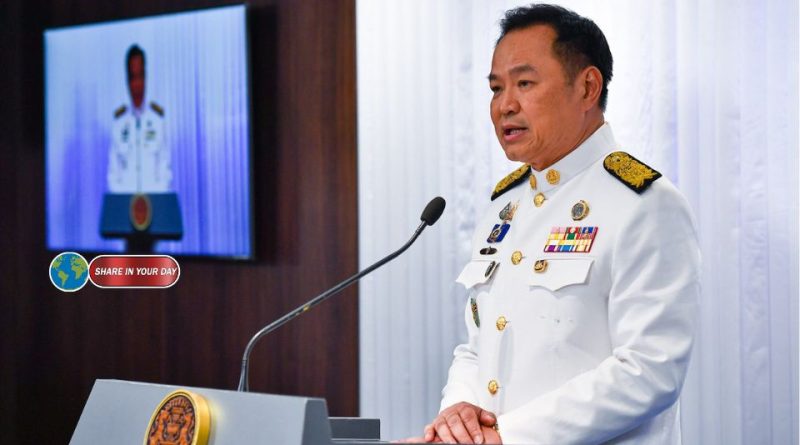
Speaking at a briefing in Bangkok on Tuesday, Foreign Ministry spokesperson Maratee Nalita Andamo said Cambodia, which Thailand accuses of initiating the violence, must take the initial step toward halting hostilities.
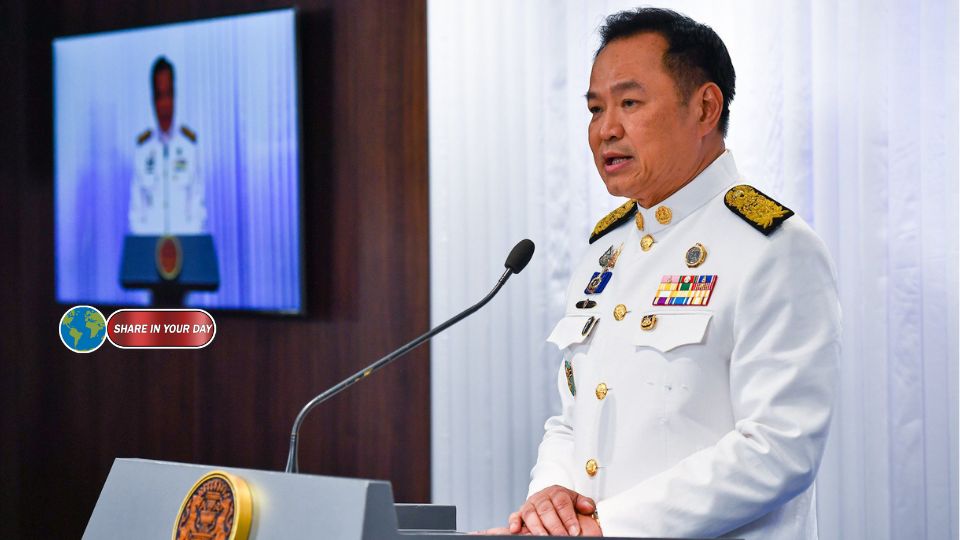
“As the aggressor onto Thai territory, Cambodia must announce the ceasefire first,” she said, according to AFP. Andamo added that Cambodia must also cooperate “sincerely” with efforts to clear landmines in contested border areas.
There was no immediate response from Cambodian officials. Both sides have repeatedly accused each other of instigating the clashes, with each government saying its forces are acting in self-defence and accusing the other of attacks that have harmed civilians.
Deaths and Displacement Mount
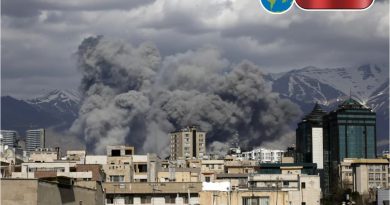
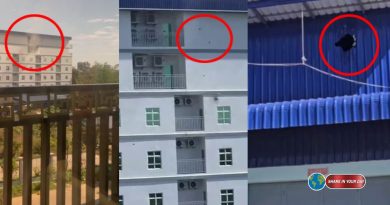
The renewed fighting, which began after a skirmish on December 7, has reignited a long-running territorial dispute along the two countries’ 817-kilometre border. The conflict has since spread to multiple flashpoints, with artillery and rocket fire reported in several areas.
Officials on both sides say at least 32 people — including civilians and soldiers — have been killed, while around 800,000 people have been displaced from their homes, marking one of the most serious escalations in recent years.
Reporting from Thailand’s Sisaket province, where a temple has been converted into a shelter for internally displaced people, Al Jazeera correspondent Jack Barton said the sounds of fighting remained audible.
“We can still hear the fighting,” he said, describing outgoing Thai artillery fire and incoming Cambodian Grad rockets echoing through the area.
Fragile Ceasefire Collapses
The clashes have effectively shattered a ceasefire brokered earlier this year following five days of intense fighting in July. That truce was pushed by United States President Donald Trump, who had used the threat of trade tariffs as leverage to pressure both sides into halting hostilities.
Trump has again sought to intervene in the latest escalation, claiming last week that Thailand and Cambodia had agreed to a ceasefire beginning Saturday night. However, sustained fighting since then has raised doubts over whether such an agreement ever took hold on the ground.
Thai PM Downplays External Pressure
Thai Prime Minister Anutin Charnvirakul dismissed suggestions that Bangkok was facing international pressure to halt military operations, according to Reuters.
“No one is pressuring us. Who is pressuring whom? I don’t know,” Anutin said, declining to respond directly when asked whether Washington was again using the threat of tariffs to influence Thailand’s position.
Meanwhile, Thai authorities said they were working to repatriate up to 6,000 Thai citizens stranded after Cambodia closed a key border checkpoint in the city of Poipet.
Blame and Counterclaims Continue
Cambodia’s former prime minister and current Senate president, Hun Sen, said the checkpoint closure was intended to protect civilians, accusing Thai forces of indiscriminate firing near populated areas.
Thailand has rejected the allegation. Surasant Kongsiri, a spokesperson for the Thai Ministry of Defence, said there had been “continuous fighting across the border” in eight provinces, while insisting Thai forces were responding to Cambodian attacks.
Cambodia’s Ministry of Defence, for its part, said its troops would “continue to stand strong, brave and steadfast in their fight against the aggressor,” signalling little immediate prospect of a unilateral ceasefire.
Stalemate Deepens
With both sides demanding concessions from the other, analysts say the insistence on a unilateral ceasefire declaration risks prolonging the conflict, particularly in the absence of a mutually accepted monitoring mechanism.
For civilians along the border, the diplomatic stalemate has translated into continued displacement, uncertainty, and fear, as the sound of shelling remains a daily reality.