WHO Summit Highlights Traditional Medicine’s Role in Expanding Global Health Coverage
NEW DELHI (AP) — At the World Health Organization’s (WHO) Second Global Summit on Traditional Medicine, held from December 17 to 19 in New Delhi, the integration of traditional medicine (TM) into modern health systems was positioned as a critical strategy for expanding affordable, people-centred healthcare.
More than 100 countries gathered at the summit, bringing together government officials, scientists, Indigenous leaders, and traditional medicine practitioners to discuss how to effectively incorporate time-tested healing practices into contemporary healthcare models. This push is seen as essential in meeting the global goal of universal health coverage, ensuring that every individual, regardless of economic status, has access to the health care they need.
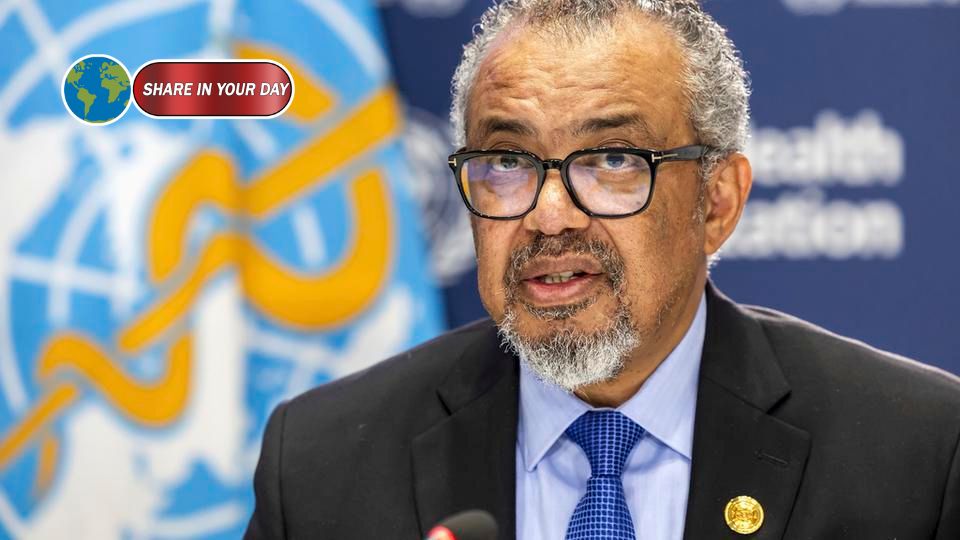
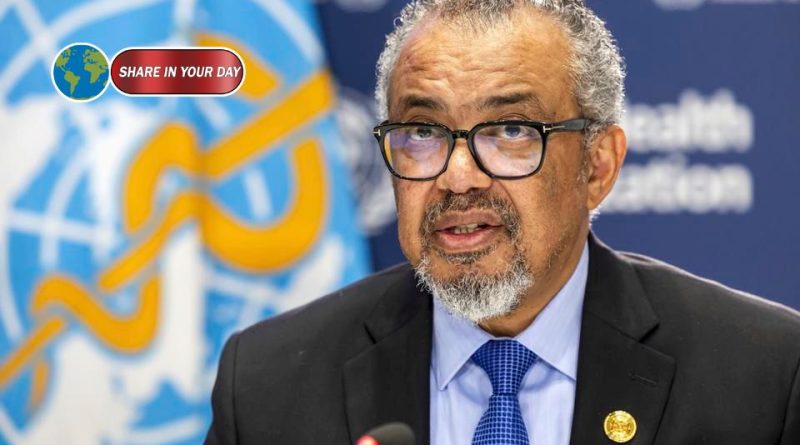
“Integrating traditional medicine is a scientifically rigorous, ethical, and cost-effective pathway to ensure that health care is affordable and accessible to all,” said Dr. Tedros Adhanom Ghebreyesus, WHO Director-General. “We aim to unite the wisdom of centuries-old practices with the innovations of modern science and technology to improve health outcomes worldwide.”
The Role of Traditional Medicine in Global Health
WHO defines traditional medicine as a diverse range of practices that predate modern biomedicine and continue to evolve in contemporary settings. These practices, which are codified in some cases and more informal in others, remain a vital source of healthcare for millions around the world. In many regions, traditional medicine is not just a preference but the primary form of healthcare, often more affordable, culturally appropriate, and accessible than Western medical systems.
According to WHO, nearly 90% of its member states report that up to 90% of their populations rely on traditional medicine for various aspects of their health. For some, it is a preferred, personalized approach to health that emphasizes holistic and natural remedies.
“The integration of traditional medicine into health systems is critical for achieving universal health coverage, particularly in resource-limited settings,” Dr. Ghebreyesus said. “By doing so, we can provide equitable and affordable health options that are in line with the needs and cultural preferences of communities.”
Scientific Initiatives and the WHO Global Strategy
The summit also marked the unveiling of significant new scientific initiatives aimed at advancing the implementation of the WHO Global Traditional Medicine Strategy 2025–2034. This strategy is built on principles of better regulation, evidence-based practices, systems integration, and community engagement. It aims to guide countries in integrating traditional medicine into their national health systems while respecting cultural diversity and safeguarding health and safety.
Dr. Sylvie Briand, WHO’s Chief Scientist, emphasized the need for scientific rigor in evaluating both traditional and modern medicine: “We need to apply the same scientific standards to traditional medicines as we do to biomedicine, while respecting biodiversity, cultural contexts, and ethical considerations.” She added that emerging technologies such as AI, genomics, and advanced data analytics hold the key to unlocking the potential of traditional medicine.
Harnessing the Power of Indigenous Knowledge
In addition to improving healthcare access, the integration of traditional medicine could play a pivotal role in conserving biodiversity. Indigenous peoples, who are stewards of around 40% of the world’s biodiversity, have long used natural resources in their traditional healing practices. These practices, which form the foundation for many pharmaceutical drugs, provide a rich resource for new drug discovery, making the preservation of traditional knowledge and biodiversity an essential component of the global healthcare conversation.
“Traditional medicine and Indigenous knowledge systems are not only essential for improving health but also for safeguarding the planet’s natural resources,” said Dr. Shyama Kuruvilla, Director of the WHO Global Traditional Medicine Centre. “As we strive to ensure health for all, we must also ensure that the wisdom of Indigenous peoples is protected and respected.”
Closing the Knowledge Gap with New Initiatives
Despite its widespread use, traditional medicine receives a disproportionately small share of global health research funding. WHO reports that less than 1% of global health research is dedicated to traditional medicine, even though many pharmaceutical drugs are derived from natural resources used in these practices.
To address this gap, WHO announced the launch of the Traditional Medicine Global Library, a comprehensive resource that includes over 1.6 million scientific records on traditional medicine. This library is designed to help bridge the knowledge gap by providing equitable access to scientific research, policies, and regulations on traditional medicine, especially in low-income countries.
The library is part of a broader effort to improve scientific capacity, document traditional medicine practices with intellectual property protections, and drive innovation in the field.
Ethical Considerations and the Path Forward
One of the key themes at the summit was the ethical integration of traditional medicine into health systems. Dr. Saia Ma’u Piukala, WHO Regional Director for the Western Pacific, reflected on the importance of culturally respectful healthcare:
“For centuries, traditional medicine has taught us that health and wellbeing are rooted in balance — between mind and body, people and nature, and individuals and their communities,” said Dr. Piukala. “As we work toward greater health equity, we must recognize that these values are more relevant than ever in addressing the global health imbalances caused by colonization and industrialization.”
The summit concluded with a call to action for governments and stakeholders to accelerate the implementation of the WHO Global Traditional Medicine Strategy. The event also highlighted the importance of collaboration among governments, traditional medicine practitioners, scientists, and communities to create a health ecosystem that combines the best of both traditional and modern practices.
A Global Commitment to Health for All
As the summit wraps up, it is clear that the path to universal health coverage will be deeply intertwined with the integration of traditional medicine into modern healthcare systems. Through scientific research, collaboration, and the responsible application of technology, the potential of traditional medicine can be harnessed to create more affordable, effective, and sustainable health solutions for all communities across the globe.
In the face of an ever-growing global health crisis, integrating traditional medicine into health systems may not only help expand access to healthcare but also foster a more inclusive and resilient global health network for the future.
Conclusion
The WHO Global Summit on Traditional Medicine marks a turning point in the global health conversation, urging for a holistic approach that embraces both modern science and traditional healing systems. By working together to promote evidence-based practices, integrate systems, and respect cultural differences, the world can move closer to achieving the goal of health for all.