China Steps In Again with Second Shuttle Diplomacy to Mediate Cambodia-Thailand Border Conflict
In a bid to ease tensions between Cambodia and Thailand, China has embarked on its second shuttle diplomacy mission in five days, aiming to mediate the ongoing border conflict and support ASEAN’s ceasefire efforts. This diplomatic push follows renewed hostilities between the two nations that began on December 7, leading to civilian casualties and widespread displacement.
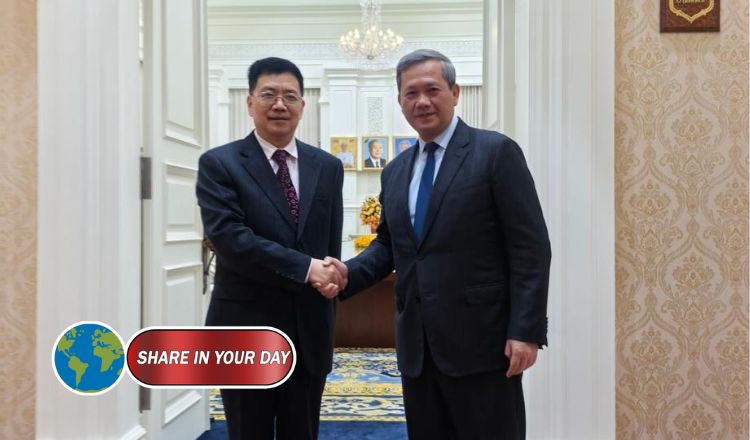
Deng Xijun, China’s special envoy for the Foreign Ministry, led the latest diplomatic trip, traveling to both Cambodia and Thailand to encourage dialogue. This follows a similar diplomatic mission on Thursday, which was also part of China’s broader strategy to engage with both nations in a peaceful resolution process.
China Reaffirms Support for ASEAN’s Mediation
In a Facebook post shared on Tuesday, Chinese Ministry spokesperson Guo Jiakun emphasized China’s commitment to supporting ASEAN’s mediation efforts. He also highlighted the role of ASEAN’s observer team in monitoring the ceasefire. According to Guo, China is keen to help create the conditions for dialogue between Cambodia and Thailand, offering a platform for negotiations and urging both parties to rebuild mutual trust and restore peace along the border.
“China is willing to create conditions and provide a platform for dialogue and negotiations between the two parties. It is hoped that Cambodia and Thailand will meet each other halfway, strive to restore mutual trust, and rebuild border peace,” Guo wrote.
Previous Shuttle Diplomacy Efforts by China
China’s involvement in the border conflict escalated after Cambodian and Thai forces clashed in early December, leaving 21 civilians dead and over 80 injured. The renewed fighting also displaced more than half a million people in Cambodia. In response, Chinese Foreign Minister Wang Yi visited both countries last week, where he affirmed that both Cambodia and Thailand showed a “willingness” to ease tensions and implement a ceasefire.
This marked China’s second attempt to mediate the conflict in a matter of days, as it continues to position itself as a key player in regional peace efforts.
Ongoing Conflict and Diplomatic Efforts
The Cambodia-Thailand border conflict, centered around territorial disputes, has intensified in recent weeks, with both sides accusing each other of violations and aggression. Despite the mounting pressure from the international community, including the United States and the European Union, to halt the violence, Thailand has insisted that Cambodia must first declare a sincere and verifiable ceasefire.
The ASEAN Foreign Ministers’ Meeting, which took place earlier this week, called for renewed efforts to mediate peace between the two nations. While Cambodia has expressed hope for a peaceful resolution, the situation remains tense, with both sides reluctant to make concessions.
China’s Role as a Mediator
As tensions continue to rise, China’s involvement is seen as crucial to the peace process. Beijing’s diplomatic push is part of its broader strategy to assert itself as a regional power capable of influencing peace and stability in Southeast Asia. While some countries in the region have expressed concern over China’s increasing influence, others view it as a necessary mediator in resolving longstanding disputes.
Conclusion: A Fragile Path to Peace
While China’s second diplomatic mission offers hope for a peaceful resolution to the Cambodia-Thailand conflict, the road to a ceasefire remains fragile. With both sides continuing to argue over the conditions for peace, it will likely take more than diplomatic talks to end the violence. As the situation develops, the role of ASEAN and China in facilitating dialogue and monitoring ceasefire efforts will be critical in determining the future of peace in the region.