U.S. Bans Europeans for Pressuring Tech Firms, Escalating Free Speech Dispute
The U.S. government has taken an unprecedented step in the escalating clash over digital regulation and free speech online by barring five European individuals from entering the United States, accusing them of pressuring American technology companies to censor protected speech.
The State Department’s decision, announced in late December 2025, targets figures linked to European digital policy and anti-disinformation advocacy. Among those barred is Thierry Breton, a key architect of the European Union’s Digital Services Act (DSA), along with leaders of organizations that monitor and counter online hate and misinformation.
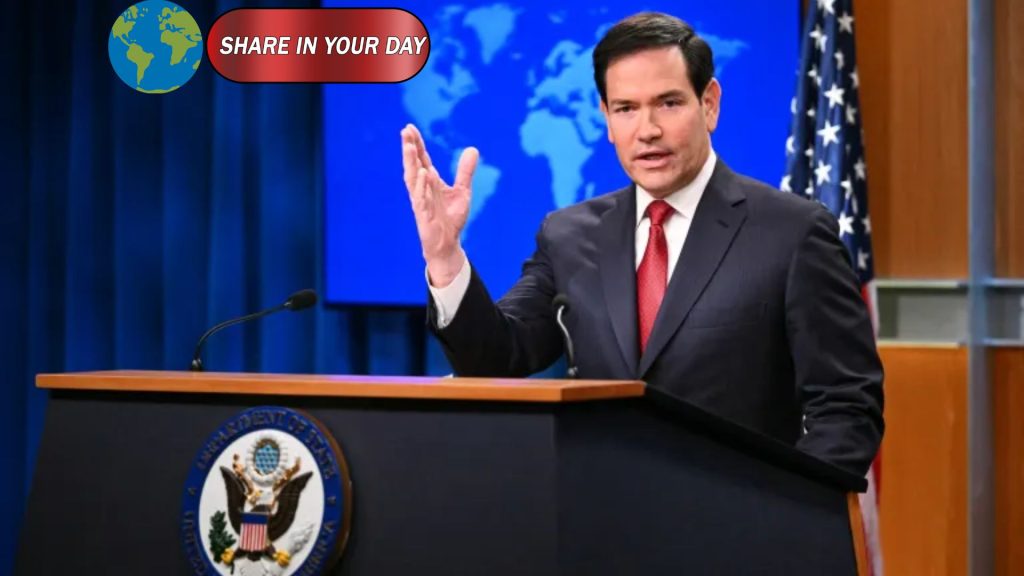
According to U.S. officials, including Secretary of State Marco Rubio, these individuals have engaged in efforts to influence how U.S. tech platforms moderate content, framing such actions as “extraterritorial censorship” of American viewpoints. Rubio posted on X that the administration would no longer tolerate what it called coordinated pressure on U.S. platforms to suppress or penalize speech disfavored by European regulators.
The U.S. action draws on a visa policy established earlier in 2025 aimed at restricting entry for foreign nationals seen as suppressing speech protected under U.S. law. The five Europeans named by the State Department include:
- Thierry Breton, former EU Commissioner responsible for digital policy
- Imran Ahmed, chief executive of the Centre for Countering Digital Hate
- Clare Melford, leader of the Global Disinformation Index
- Josephine Ballon and Anna-Lena von Hodenberg, from German nonprofit HateAid
Officials allege these individuals have advanced what the U.S. describes as censorship campaigns through regulatory and advocacy efforts that affect how U.S. platforms like Meta’s Facebook and Elon Musk’s X moderate content. The administration frames its move as part of a broader effort to guard against foreign influence on American digital speech, relying on immigration law rather than traditional sanctions or platform regulation.
Europe’s response has been swift and critical. French President Emmanuel Macron condemned the visa bans as “intimidation and coercion” and an affront to European digital sovereignty. German leaders also rejected the U.S. characterization of their regulatory framework, insisting that European laws like the DSA do not amount to censorship of lawful expression. The European Commission has formally requested clarifications and warned that it could respond decisively to defend its autonomy.
At the core of the dispute is the EU’s Digital Services Act, a sweeping set of rules that require major platforms to address illegal or harmful content and increase transparency in algorithmic decisions. While the EU says the law protects users and fundamental rights online, U.S. critics argue it imposes burdensome requirements and risks extending European norms into the U.S. digital sphere.
The tensions mark a significant escalation in U.S.–EU tech policy disagreements, reflecting deeper disagreements over the balance between free expression, content moderation, and regulatory sovereignty in the digital age