How Venezuela Went From South America’s Richest Nation to Its Poorest Economy Despite Massive Oil Wealth
Caracas — Not long ago, Venezuela was widely regarded as one of South America’s most prosperous nations. Abundant natural resources, a thriving oil industry and robust per-capita income once positioned the country ahead of many regional peers. But over the past several decades, that narrative has unraveled. Despite boasting the world’s largest proven oil reserves — an estimated 303 billion barrels — the Venezuelan economy has become one of the poorest on the continent, mired in crisis, contraction and mass social dislocation.
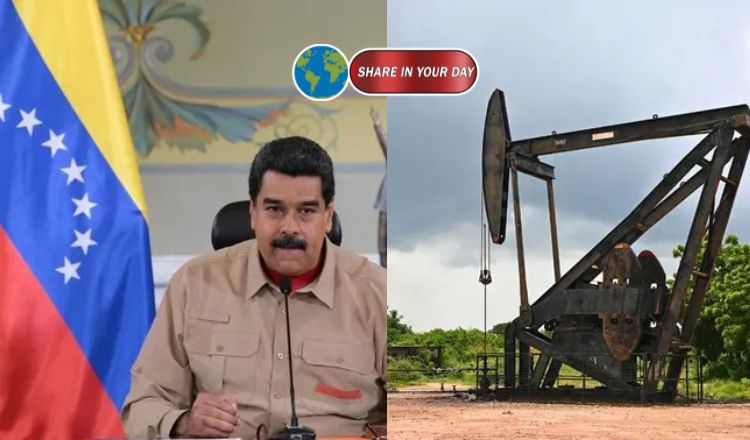
The paradox of Venezuela — rich in “black gold” yet impoverished in economic output — underscores a complex interplay of policy choices, institutional decay, external shocks and political upheaval.
The Early Oil Boom and Rising Expectations
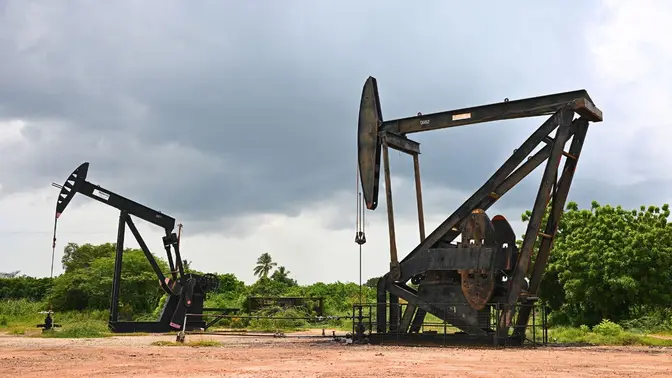
Oil was first discovered in Venezuela in the early 20th century, rapidly transforming the country’s economic prospects. By mid-century Caracas was a major exporter, and oil revenue fuelled infrastructure spending and public services. Venezuela’s per capita income in the post-war era was among the highest in Latin America, at times rivaling developed nations in relative terms.
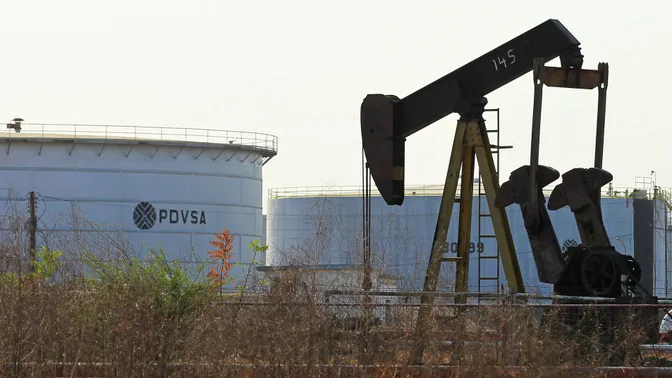
The government strengthened its role in the sector through the creation of the Organisation of Petroleum Exporting Countries (OPEC) alongside other major producers, giving it greater influence over global oil markets. In 1976, the Venezuelan state fully nationalised foreign oil assets, placing them under state control through Petróleos de Venezuela, S.A. (PDVSA). At the time, this was viewed as a move to capture a greater share of oil rents for national development.
Initially, the nationalised sector continued to produce strong output, and oil revenues supported government programs. But the seeds of long-term fragility were sown in the increasing dependence on oil revenue as the primary — often sole — source of national income.
Political Shift and Policy Missteps
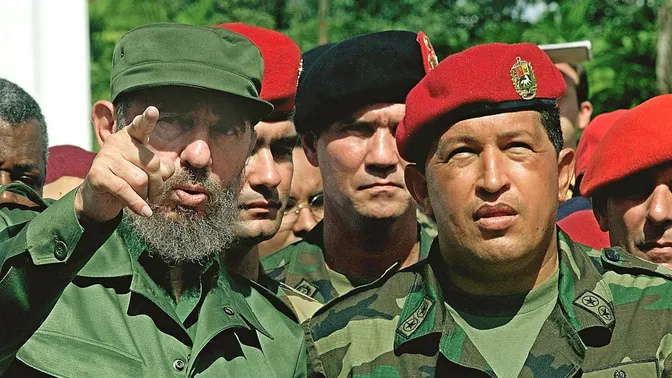
The election of Hugo Chávez in 1998 marked a turning point in Venezuela’s economic trajectory. Chávez’s Bolivarian Revolution promoted ambitious social programs underpinned by state control of key economic sectors, particularly oil. Public spending on subsidised services, housing and welfare expanded, but these commitments were largely financed by oil revenue rather than diversified growth.
Beginning in the early 2000s, Chávez’s government began reshaping PDVSA’s leadership and workforce, dismissing thousands of experienced professionals and replacing them with political loyalists. This purge severely weakened institutional capacity, reducing technical expertise at the heart of the oil industry. Over time, the state oil company’s ability to invest in maintenance and production fell sharply, contributing to declining output.
By the mid-2010s, Venezuela’s oil sector was no longer the engine of growth it once was. Production slipped from a historical peak of around 3.5 million barrels per day in the 1970s and 1990s to roughly 1 million barrels per day by 2025, despite holding vast reserves — a decline attributed to declining infrastructure, mismanagement and underinvestment.
Hyperinflation and Monetary Collapse
Economic troubles deepened after Nicolás Maduro succeeded Chávez in 2013. As oil revenues declined following the collapse in global prices in 2014, the government’s fiscal model — heavily reliant on oil receipts — strained. Efforts to sustain social spending and public employment were financed through printing money, which helped the state meet its obligations in the short run but triggered one of the most severe hyperinflations in modern history. At its peak, inflation soared into the hundreds of thousands of percent, effectively eroding the value of the national currency and destroying household purchasing power.
Unlike many oil-rich economies that built sovereign wealth funds or diversified their industries, Venezuela’s revenue largely flowed directly into consumption and subsidies. Essential economic functions such as currency management and central bank independence weakened drastically, compounding financial instability.
Sanctions, Sanctions and More Sanctions
Adding to internal mismanagement, Venezuela has faced extensive international sanctions, particularly from the United States. Designed to pressure the government over human rights concerns and political disputes, these measures have targeted oil exports, access to global financing and key government entities. Sanctions have constrained Venezuela’s ability to attract foreign investment, refinance debt or participate fully in global energy markets, further weakening an already faltering oil sector.
While some sanctions were eased at times, enabling modest increases in exports and joint ventures with firms such as Chevron, overall pressure on Caracas’s finances continued to limit sustained recovery.
Social and Human Impact
The collapse of Venezuela’s economy has had profound human consequences. After years of stagnation, inflation, shortages and insecurity, millions of Venezuelans have fled abroad in search of work and stability. Estimates suggest that nearly 8 million people were living outside the country by 2025 — a ten-fold increase from 2015 — making Venezuela one of the largest migration crises in the region’s recent history.
Domestic living standards suffered steep declines as public services deteriorated and consumer prices surged. The country’s GDP contracted sharply over the last two decades, erasing growth and substantially diminishing economic output and employment.
A Petrostate Without Prosperity
Today’s Venezuela exhibits the features of a classic “resource curse”: abundant natural wealth paired with poor economic outcomes. Heavy reliance on oil revenue discouraged diversification, left the economy vulnerable to price swings and concentrated political power in the hands of the state. Mismanagement, diminished production capacity, hyperinflation and external sanctions combined to transform a once-prosperous nation into one struggling with poverty, migration and institutional deterioration.
Experts argue that without structural reform — including rebuilding PDVSA, stabilising fiscal policy, restoring institutional independence and diversifying the economy — Venezuela’s path to recovery will remain uncertain. The country’s vast oil reserves remain a potential asset, but unlocking that value will require fundamental change beyond crude extraction.