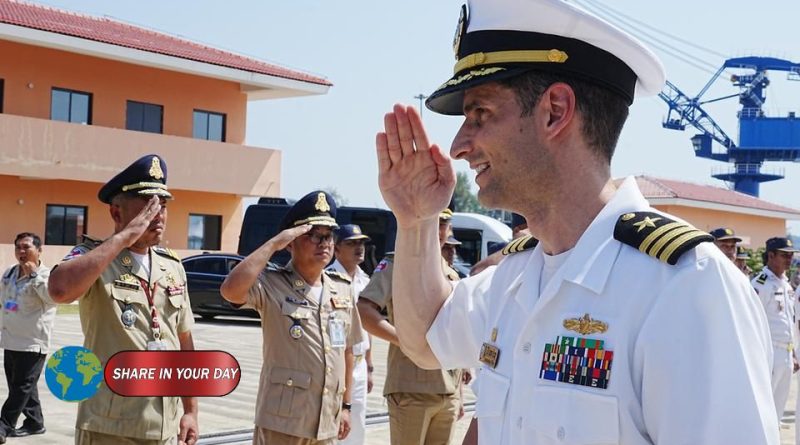
Taking Stock of USS Cincinnati’s Call at Ream Naval Base
PHNOM PENH — The recent port call by the US Navy warship USS Cincinnati at Cambodia’s Ream Naval Base marks a modest but notable step in improving relations between Phnom Penh and Washington, though it is unlikely to influence the long-running Thailand-Cambodia border dispute, according to analyst Youk Chhang.
In a commentary published this week, Chhang argues that while the visit carries diplomatic significance, expectations that it could alter regional tensions — particularly between Thailand and Cambodia — are misplaced. The border issue, he says, is driven far more by Thailand’s internal political dynamics than by external pressure or shifting alliances.
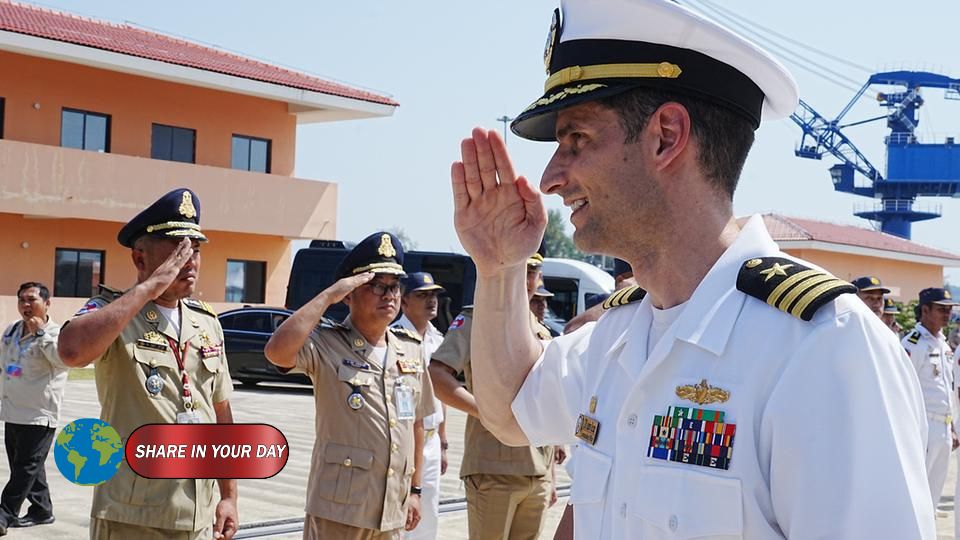
The USS Cincinnati’s visit comes amid renewed attention on Ream Naval Base, a strategic site that has drawn scrutiny from Western governments over Cambodia’s growing defense ties with China. Against that backdrop, the US Navy’s brief presence was widely interpreted as a symbolic gesture of re-engagement.
Chhang describes the port call as “certainly a welcome development” for bilateral relations, but cautions against overstating its broader impact.
Border Dispute Rooted in Thai Politics
According to Chhang, the Thailand-Cambodia border dispute has little to do with Cambodia’s external partnerships and far more to do with domestic debates within Thailand about nationalism, sovereignty, and the country’s future relationship with its neighbors.
“The conflict is driven more by internal Thai politics and debate over the future of Thailand and its relations with its neighbours than anything else,” he writes.
He notes that the Thai government has publicly signaled that it is not overly concerned by US involvement, relying instead on its long-standing alliance with Washington. That historical relationship, Chhang argues, gives Bangkok confidence that it can pursue assertive nationalist policies even when they diverge from broader US foreign policy interests.
Thailand, he adds, appears equally unconcerned that improving ties between Cambodia and the United States could weaken Thai-US relations.
Limited External Leverage
Chhang suggests that only an extraordinary shift in US regional strategy would be capable of influencing Thai nationalist ambitions from the outside — a scenario he views as highly unlikely.
“In sum, it would take an extraordinary transformation and paradigm shift in US foreign policy interests in the region to significantly change Thai nationalist ambitions from the outside in,” he writes.
As a result, gestures such as naval port calls, while diplomatically meaningful, are unlikely to serve as leverage in resolving the dispute.
Prospects for Resolution Remain Uncertain
The commentary argues that the most realistic path toward resolving the border issue would come from within Thailand itself. A pragmatic and assertive Thai administration willing to exercise political leadership could, in theory, defuse tensions and pursue compromise.
However, Chhang remains skeptical that such a shift is imminent.
“What is more likely is the dispute will continue as a centuries-old disagreement,” he writes, warning that even if tensions subside temporarily, they are likely to resurface again within the current generation.
Symbolism Over Substance
While the USS Cincinnati’s visit underscores a gradual warming of US-Cambodian relations, Chhang concludes that its impact should be viewed primarily through a diplomatic lens rather than a strategic one.
For now, the port call stands as a symbol of engagement rather than a catalyst for change — a reminder that in Southeast Asia’s most enduring disputes, internal politics often outweigh external influence.
Disclaimer: The commentary reflects the views of the author and does not represent the opinions of Kiripost Media or its staff.
Youk Chhang is the Director of the Documentation Center of Cambodia.