Israeli Airstrikes Kill Dozens in Gaza Despite Fragile Ceasefire, Health Officials Say
GAZA — Israeli airstrikes across the Gaza Strip on Saturday, 31 January 2026 killed more than 30 Palestinians, including women and children, according to Palestinian health officials — a significant escalation even as a fragile ceasefire brokered in October inches forward.
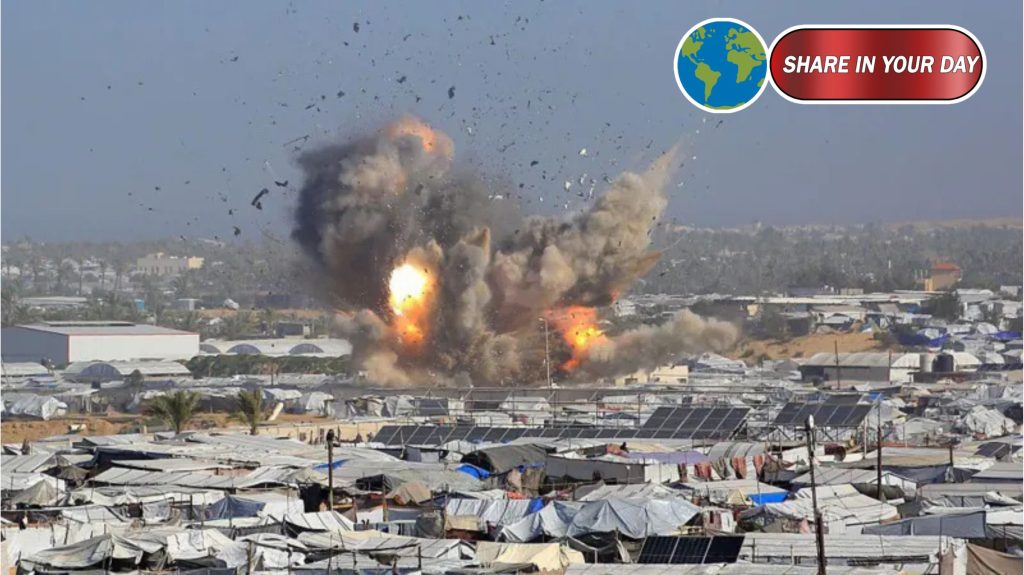
The strikes, described by local authorities as among the heaviest since the ceasefire took effect, hit residential buildings, tent camps for displaced families, and a police station in Gaza City’s Sheikh Radwan neighbourhood. Health officials reported that the death toll included several children from the same families, underscoring the high human cost of the bombardment.
Violence Amid a Fragile Truce
Under the 2025 ceasefire agreement — which paused major hostilities after two years of intense war between Israel and Hamas — both sides agreed to a temporary halt in widespread fighting. However, Saturday’s strikes occurred just as plans were advancing to open Gaza’s Rafah crossing with Egypt, a key humanitarian artery for Gazans needing medical care and travel beyond the enclave.
Israeli forces said the bombardment was in response to what they described as a violation of the truce — specifically, the emergence of armed individuals from a tunnel near Rafah, an area that remains under Israeli military control despite the ceasefire parameters. The army said it targeted militant commanders, weapon caches, and infrastructure belonging to Palestinian armed groups.
Civilian Toll Draws International Concern
While Israeli officials have justified the airstrikes as counter-terrorism actions, the impact on civilians has drawn alarm from humanitarian groups and regional actors. Gaza’s health ministry, operating under Hamas control, said the casualty count surpassed 30 deaths, with many more wounded, as emergency teams worked across multiple strike sites.
Among the dead were young children and adults who had been sheltering in tents and apartment buildings. In one instance, a tent camp in Khan Younis — home to families displaced by earlier waves of conflict — was hit, causing multiple fatalities and injuries.
“The strikes claimed lives of civilians who believed they were safe under the ceasefire,” one local health official said, reflecting growing frustration among residents who had hoped the truce would ease the two-year war’s toll.
Ceasefire, Reopening Rafah & Future Tensions
The latest violence has complicated efforts to implement the second phase of the ceasefire deal, which calls for demilitarization steps by Palestinian factions and Palestinian administration of civilian affairs, along with expanded humanitarian access. A key provision has been reopening Gaza’s Rafah crossing with Egypt, long closed and crucial for medical evacuations and basic goods flow.
Humanitarian agencies have warned that the enclave’s healthcare system remains severely degraded by previous fighting, with many hospitals struggling to function amid shortages of supplies and staff.
Analysts say Friday’s and Saturday’s strikes illustrate how tenuous the ceasefire remains, with both sides accusing one another of violations while civilians bear much of the direct impact.
Regional and Global Reaction
Regional neighbors such as Egypt and Qatar, which helped broker the October truce, expressed concern about the escalation. Egyptian officials reiterated calls for strict adherence to ceasefire terms and urged renewed diplomatic efforts to solidify peace.
Meanwhile, international rights groups have pressed for accountability for civilian casualties and emphasized the need for protections under international humanitarian law.