Waymo Secures $16 Billion Funding Boost to Fast-Track Global Robotaxi Expansion
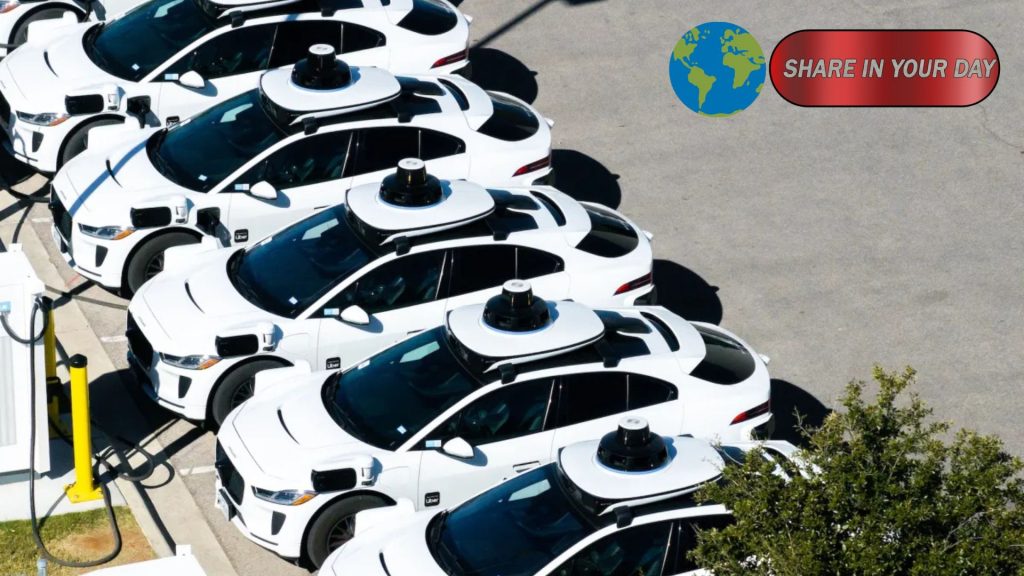
MOUNTAIN VIEW, Calif. — Waymo, the autonomous vehicle unit of Alphabet Inc., has closed a monumental funding round totalling $16 billion, underscoring investor confidence in scaling commercial driverless ride-hailing services across the globe. The fresh capital infusion valorises Waymo at approximately $126 billion, significantly higher than its prior valuations and signalling the company’s shift from experimental tech to large-scale mobility provider.
The investment was led by Dragoneer Investment Group, with substantial participation from prominent venture firms including Sequoia Capital, DST Global and Andreessen Horowitz, among others. Alphabet maintained its role as the majority backer, bolstering the company’s long-term strategic ambitions.
From Research to Global Launchpad
Founded out of Google’s X lab nearly two decades ago, Waymo was once a bold experiment in autonomous driving. Today, it operates driverless taxis in multiple U.S. cities and is poised for rapid growth as autonomous mobility increasingly transitions from futuristic concept to everyday reality. In 2025 alone, the company completed more than 15 million autonomous rides and currently averages hundreds of thousands of weekly passenger trips across metropolitan markets.
With the new capital—among the largest in autonomous vehicle history—Waymo plans to expand into more than 20 additional cities in 2026, including its first major international destinations such as London and Tokyo. The expansion reflects a concerted effort to establish services beyond the U.S., tapping into densely populated urban markets where on-demand mobility and congestion reduction are high priorities.
A Strategic Liftoff Amid Industry Competition
The $16 billion funding round arrives as interest in autonomous vehicle services surges worldwide, with competitors such as Tesla, Zoox (backed by Amazon), and other robotics startups vying for market share in a once-nascent industry. Analysts view Waymo’s financial muscle and early operational footprint as key differentiators in the race to dominate what many now see as a multitrillion-dollar sector.
Waymo’s strategy combines deep data-driven AI navigation systems with a commercial rollout that emphasises safety and reliability, crucial factors for regulators and public acceptance. The technology boasts millions of autonomous miles logged, and the company has cited statistically significant reductions in serious injury crashes compared with human-driven vehicles as central to its broader vision.
Looking Ahead: Cities, Riders, and Revenue
Executives and investors alike have framed this funding round not just as a capital milestone but as a signal that autonomous driverless transport is entering a new operational era. Waymo intends to deploy additional vehicles, enhance its software and mapping systems, and collaborate with local authorities to support regulatory frameworks in new markets.
Growth targets discussed in industry sources include boosting ride totals toward one million weekly robotaxi trips by the end of 2026, a dramatic increase over current figures and a marker of the service’s scaling ambitions. This trajectory positions Waymo to compete with conventional ride-hail services while carving out a global niche in driverless mobility.
As cities like London and Tokyo prepare regulatory pathways and pilot programs for autonomous services, Waymo’s success in securing substantial funding and strategic partnerships may accelerate the arrival of robotaxis on international streets in the months ahead.