Zelensky Says Trump Aiming for Russia-Ukraine Peace Deal by June Ahead of U.S. Midterms
Ukrainian President Volodymyr Zelensky said the United States is pushing for Russia and Ukraine to reach a peace agreement by June, as President Donald Trump seeks to conclude the war before shifting his political focus to the upcoming U.S. midterm elections.
Speaking to reporters on Friday, Zelensky described an ambitious American timeline that would require rapid progress in negotiations despite deep disagreements between Kyiv and Moscow and Ukraine’s own constitutional requirement to hold a national referendum on any peace deal.
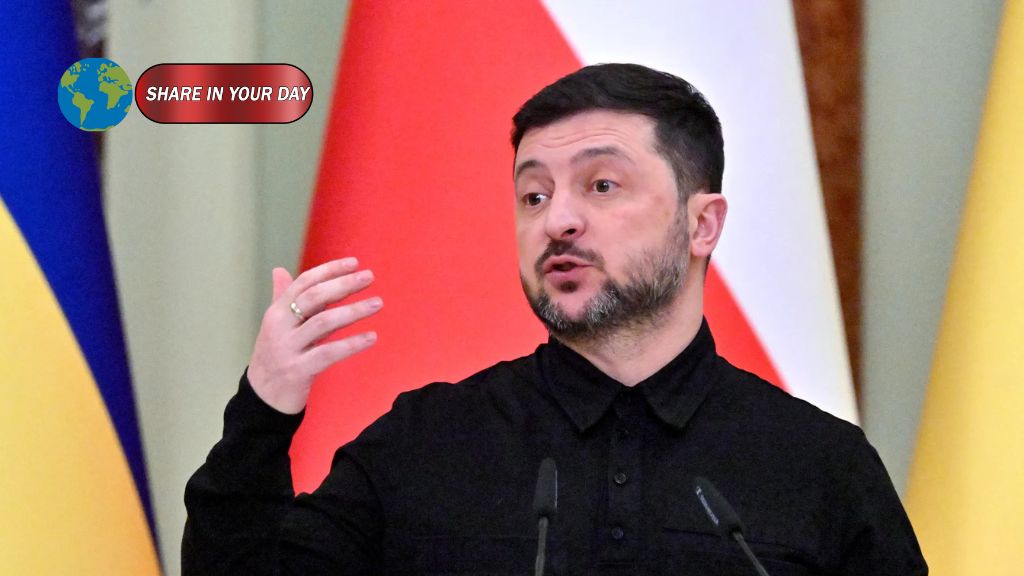
“The Americans are proposing that the war be brought to an end by the beginning of this summer,” Zelensky said. “They will probably pressure the parties according to this timeline.”
Trump appeared to confirm renewed momentum in the talks later that day, telling reporters aboard Air Force One that discussions with both sides had been constructive. “We had very good talks today having to do with Russia-Ukraine,” he said. “Something could be happening.”
Talks Resume in Abu Dhabi
The latest diplomatic push follows a second round of direct negotiations between senior Russian and Ukrainian officials held earlier this week in Abu Dhabi. The talks were mediated by Trump’s envoys, Steve Witkoff and Jared Kushner, and involved parallel military and political working groups.
Zelensky said the tone of the Russian delegation marked a noticeable shift from previous encounters.
“This time, they moved away from historical arguments,” he said, adding that Moscow instead engaged in what he described as a “concrete” discussion about what it was prepared to do—and what it was not.
According to Zelensky, the military working group focused on mechanisms for monitoring and enforcing a ceasefire if one is declared. The U.S., he said, confirmed it intends to play an active role in overseeing any future truce.
“That is important for us,” Zelensky said, noting Ukraine’s long-standing concerns over the durability of ceasefires without international oversight.
Territorial Disputes Remain Central
Despite the more pragmatic tone, core disagreements remain unresolved. In the political working group, negotiators again clashed over Russia’s demand that Ukraine withdraw its forces from parts of the Donbas region still under Kyiv’s control.
Zelensky said Russia has not abandoned that demand, but for the first time agreed to discuss a U.S.-backed proposal to establish a special economic zone in Donbas, aimed at narrowing differences between the two sides.
Ukraine, however, has not shifted its position.
“We stand where we stand,” Zelensky said. “This is the fairest and the most reliable model, in our view, for a ceasefire today.”
Kyiv continues to insist that any ceasefire be based on current front lines, leaving territorial disputes to be resolved through later negotiations rather than military pressure.
Washington’s Political Clock
Zelensky suggested that domestic political considerations in the U.S. are shaping Washington’s urgency. He said his understanding is that American attention will pivot sharply to congressional races around June.
“The elections are, for them, definitely more important,” Zelensky said. “Let’s not be naïve.”
“They say they want to achieve everything by June, and they will do everything possible to ensure the war ends that way,” he added.
Analysts say the timeline is aggressive. Beyond bridging gaps between Kyiv and Moscow, Ukraine would need time to prepare and conduct a referendum, a process that could take several months even under ideal conditions.
Energy Truce Back on the Table
Zelensky also revealed that the U.S. has proposed reviving a limited agreement to suspend attacks on energy infrastructure, an initiative first floated by Trump earlier this month.
That earlier effort briefly reduced strikes on power facilities, resulting in four consecutive days without Russian attacks on Ukraine’s energy grid.
“Ukraine has confirmed,” Zelensky said. “Russia has not yet responded.”
Energy infrastructure has been a frequent target throughout the war, particularly during winter months, making the proposal politically and economically significant for Kyiv.
Possible Leaders’ Summit
For the first time, Zelensky said negotiators discussed the possibility that the most intractable issues could be escalated to a trilateral summit involving national leaders.
While no date has been set, the idea reflects recognition that certain decisions may require political authority beyond working-level negotiators.
Whether Russian President Vladimir Putin would agree to such a meeting remains unclear.
Security Guarantees Still Unresolved
One of the most sensitive sticking points remains Ukraine’s demand for binding security guarantees. Zelensky said the Trump administration has so far declined to sign a U.S.-Ukraine security guarantees agreement, despite the document being nearly finalized.
According to Zelensky, Washington wants to sign the guarantees “roughly at the same time” as other components of a broader peace package.
Kyiv, however, wants the guarantees finalized first.
“There can be no end to the war without security guarantees,” Zelensky said. “This is an absolute certainty. Everyone understands this. Ending the war requires security.”
Ukrainian officials fear that without concrete guarantees, public support for any peace deal could erode, particularly given past ceasefires that collapsed after Russian violations.
Talks May Move to the U.S.
Looking ahead, Zelensky said the U.S. has proposed hosting the next round of talks on American soil, marking a shift in venue and symbolism.
The meeting could take place as early as next week in Miami, he said, and would bring Ukrainian and Russian negotiators together to continue discussions under direct U.S. auspices.
“We have confirmed our participation,” Zelensky said.
As diplomacy accelerates, the coming weeks may determine whether Washington’s push for a summer breakthrough can overcome entrenched divisions—or whether the political calendar proves more powerful than the prospects for peace.