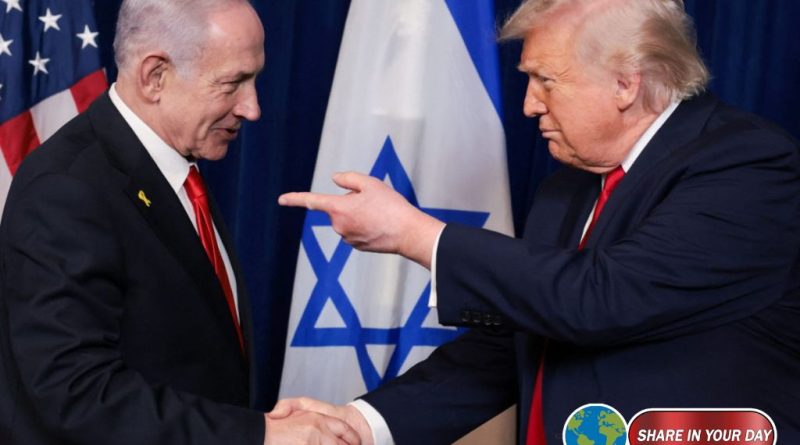
Netanyahu Heads to Washington to Meet Trump on Iran Talks
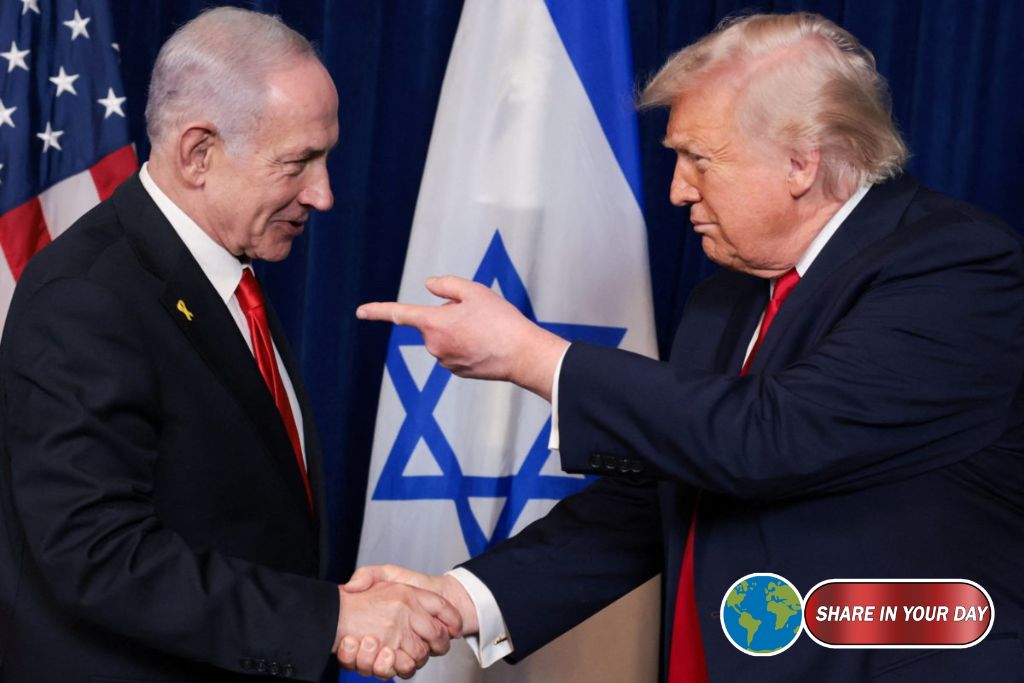
WASHINGTON, D.C. — Israeli Prime Minister Benjamin Netanyahu is set to visit the U.S. capital this Wednesday for a high‑stakes meeting with U.S. President Donald Trump focused on ongoing American talks with Iran, Israeli officials announced Saturday.
The meeting comes amid renewed diplomatic activity over Iran’s nuclear program, ballistic missile capabilities and regional influence, following a recent round of indirect U.S.–Iran negotiations in Muscat, Oman.
A Critical Diplomatic Moment
Netanyahu’s office said the prime minister believes any negotiations with Iran must include restrictions on Tehran’s ballistic missile arsenal and an end to Iranian support for militant groups such as Hezbollah and Hamas—an issue that has long strained relations between Israel, the U.S. and Iran.
The meeting will be one of multiple engagements between the two leaders since Trump returned to office, underscoring Washington’s central role in Middle East diplomacy and security.
Trump has described the recent talks with Iran as “very good,” indicating plans for continued diplomacy early in the week, even as Tehran has expressed deep mistrust of U.S. intentions and insisted that discussions remain limited to nuclear issues.
Competing Priorities: Nuclear Program, Missiles, and Proxies
The indirect talks in Oman marked the first diplomatic contact between the U.S. and Iran since tensions escalated last year, including a U.S.–Israeli strike on Iranian nuclear sites and an Iranian missile response. While Washington and Tehran have signaled willingness to engage, fundamental disagreements remain—particularly over missiles and Iran’s support for regional proxy groups.
Iranian officials have reiterated that restrictions on missile development and defense programs are non‑negotiable, complicating efforts to expand the scope of negotiations beyond nuclear capabilities alone.
Regional Security and U.S. Strategy
The talks come as Gulf Arab states and other regional actors watch closely, concerned that deteriorating U.S.–Iran relations could trigger broader conflict across the oil‑rich Middle East. Both Israel and the U.S. have warned that failing to curb Iran’s nuclear ambitions and missile programs could invite further instability.
Netanyahu’s visit also underscores Israel’s unease with the current diplomatic direction, as Jerusalem has traditionally taken a more hard‑line stance toward Tehran’s military capabilities than Washington’s approach.
Looking Ahead
As Netanyahu prepares to meet Trump in Washington, the international community will be watching whether the two leaders can coalesce around a strategy that addresses Iran’s nuclear ambitions, missile developments and regional influence—issues that have become defining challenges in Middle East diplomacy. The outcome of Wednesday’s discussions could influence not only U.S.–Iran relations but broader regional security dynamics in the months ahead.