American Airlines Unions Call for CEO Robert Isom’s Ouster as Flight Attendants Pass No-Confidence Vote
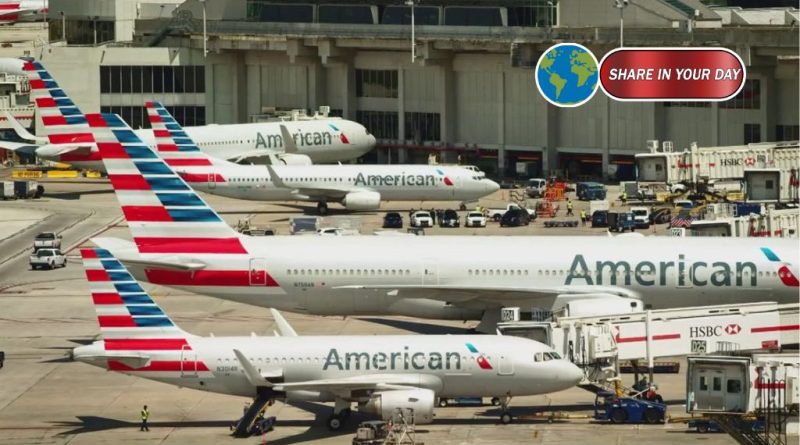
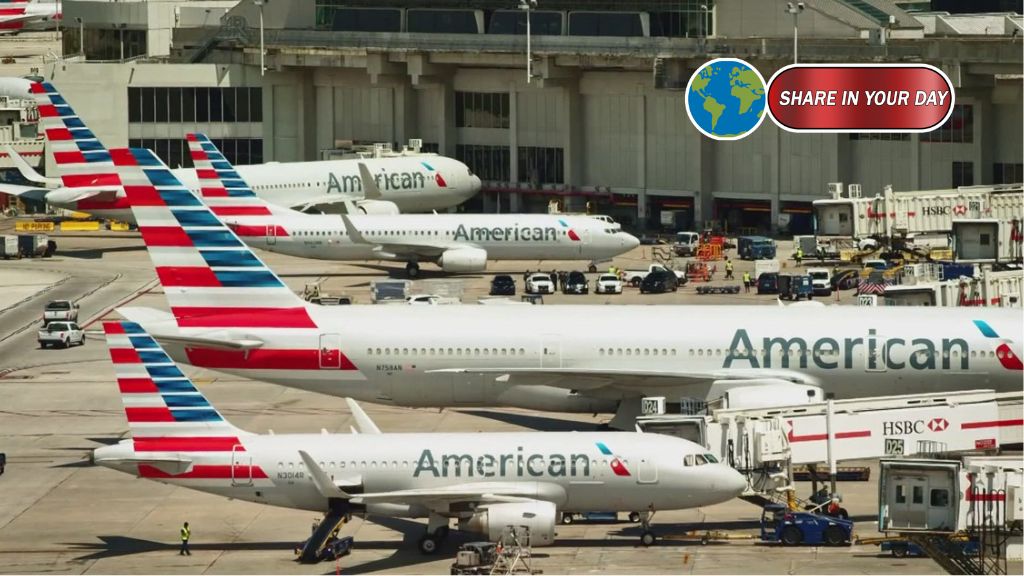
FORT WORTH, Texas — Labor tensions at American Airlines escalated sharply this week after the company’s flight attendants issued a unanimous vote of no confidence in chief executive Robert Isom, marking the first such action against a CEO in the union’s history.
The Association of Professional Flight Attendants (APFA), which represents roughly 28,000 cabin crew members, announced the vote on Monday, accusing American’s leadership of strategic missteps that have left the airline trailing its major competitors despite its position as the world’s largest carrier.
The vote adds to growing pressure on Isom from multiple labor groups at the airline, including pilots, who have separately warned that they may pursue a similar no-confidence measure.
Union Cites Strategic and Operational Failures
In a statement accompanying the vote, the APFA said American’s management has repeatedly failed to address post-pandemic operational challenges, while executive compensation has remained high even as financial performance and customer rankings have deteriorated.
Union leaders also criticized what they described as a failed corporate sales strategy that alienated business travelers and contributed to a decline in American’s competitive standing.
“Management’s repeated failures are dragging this airline down and leaving frontline workers to pay the price,” said APFA President Julie Hedrick. “At a company that should be thriving, flight attendants are losing out on meaningful profit sharing while operational problems continue to pile up.”
Hedrick also pointed to a recent winter storm that severely disrupted operations, leaving some flight attendants stranded overnight in airports. She said Isom’s response — describing the situation as “part of the job” — reflected a lack of regard for frontline employees.
“That tone-deaf leadership is actively harming both American Airlines and the people who keep it running every day,” she said.
Pilots Signal Broader Leadership Concerns
The flight attendants’ vote follows mounting criticism from the Allied Pilots Association (APA), which represents approximately 16,000 American Airlines pilots.
In a letter sent last week to the airline’s board of directors, the pilots’ union warned that American is on an “underperforming path” and lacks a clear identity or long-term strategy to reverse its struggles.
“While our premium competitors’ market capitalization has soared, American’s has soured,” the letter stated, arguing that leadership failures have frustrated shareholders, employees, and customers alike.
Although the APA has not yet issued a formal no-confidence vote, the union has requested a meeting between its board and American’s board of directors to present concerns about the airline’s operational performance and strategic direction.
Workers Say Stakes Are Personal
Union leaders emphasized that the dispute is not abstract or political, but directly tied to workers’ livelihoods.
“Plainly put, this is about our careers, our livelihoods,” APFA Treasurer Erik Harris told WFAA in an interview on Monday. “It’s our health insurance, our pay, how we feed our families. When we see our company not performing well, it concerns all of us.”
Harris said frustration has grown as competitors move ahead with new aircraft, premium seating options, and improved customer experiences, while American struggles to keep pace.
“We’re the largest carrier,” he said. “We should be leading innovation and product offerings. We should be setting the standard.”
Analysts Point to Performance Gaps
Industry analysts say American Airlines’ challenges are increasingly visible to passengers and investors alike.
Henry Harteveldt, a travel industry analyst with Atmosphere Research Group, said American was once the airline others measured themselves against.
“As both an analyst and as a passenger, I’d like to see American return to that level of reliability and quality,” Harteveldt said. “But nothing matters more right now than improving on-time performance. That’s job number one.”
Operational reliability has been a persistent weak spot for the airline, particularly during periods of severe weather and peak travel demand.
American Airlines Defends Long-Term Strategy
In response to union criticism, American Airlines pointed to comments Isom made during the company’s investor conference call on January 27.
Isom acknowledged that the airline’s transformation has been a multi-year effort but said the strategy is beginning to show results.
“I’m excited about the opportunities that lie ahead for American as we begin to see the benefits of our work in 2026,” Isom said. He outlined four strategic priorities: delivering a more consistent customer experience, maximizing the airline’s network and fleet, deepening partnerships to boost loyalty, and strengthening sales and revenue management.
According to Isom, early 2025 booking trends have been encouraging, with record-setting performance in the first three weeks of January.
“I’ve been in this business for a long time, and I’m incredibly excited about what lies ahead for American,” he added.
Labor Peace Remains Fragile
The dispute comes despite a new labor agreement reached between American Airlines and its flight attendants in July 2024, ending negotiations that began in 2019. While the contract resolved pay and work-rule issues, it did not quell broader concerns about leadership and the airline’s competitive direction.
Snap judgments aside, the growing chorus of union dissatisfaction suggests that labor relations at American Airlines remain fragile. Whether the no-confidence vote leads to concrete changes in leadership or strategy remains to be seen, but the message from frontline workers is increasingly clear: patience is wearing thin.