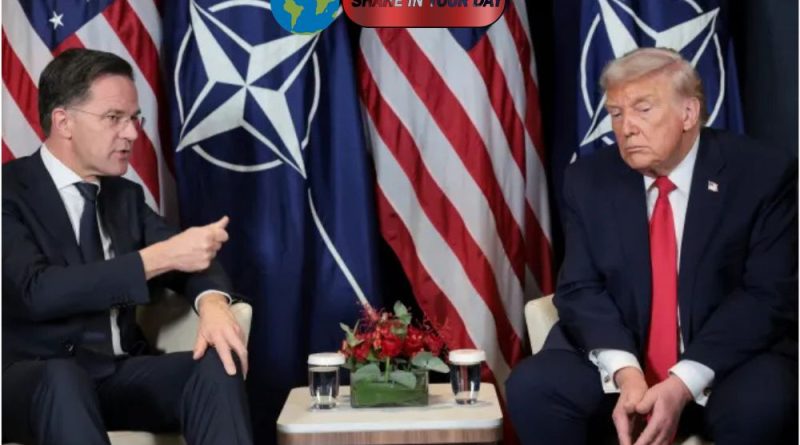
Trump’s NATO Dilemma: U.S. Strategy Tests Transatlantic Alliance Cohesion
WASHINGTON / BRUSSELS — President Donald Trump’s approach to the North Atlantic Treaty Organization (NATO) has sparked one of the most intense debates in decades over the future of the transatlantic alliance, according to a Foreign Affairs assessment published this week. The analysis paints a picture of an alliance at a crossroads, wrestling with shifting American priorities and European concerns over long‑term security commitments.
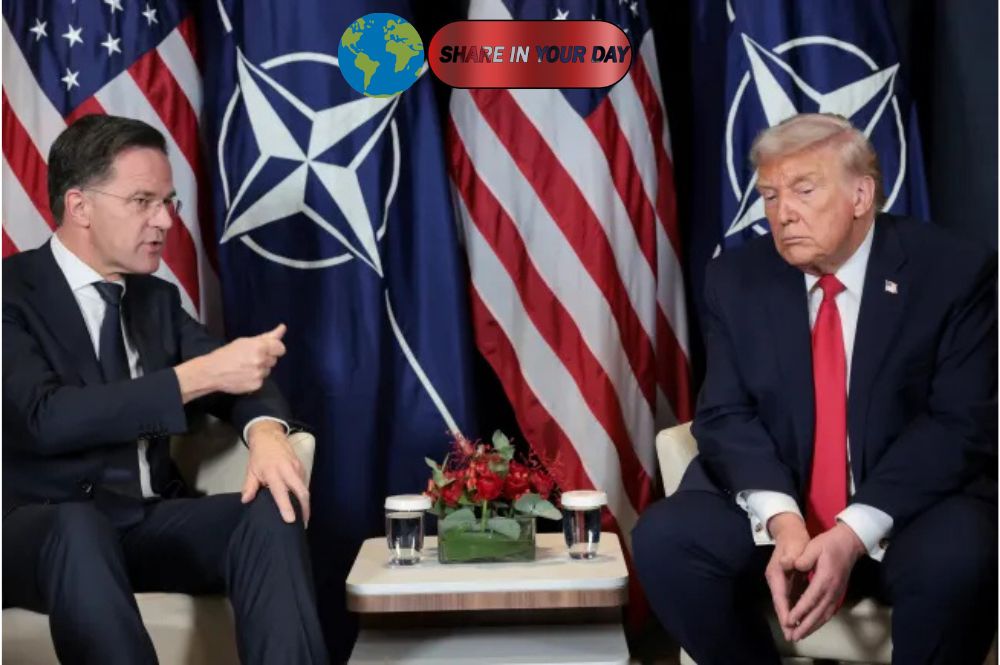
At the heart of the discussion is what analysts call Trump’s NATO dilemma: whether to steer the alliance toward a new balance of responsibility and relevance — or risk undermining the trust and cohesion NATO has maintained since World War II.
From Leadership to ‘Quiet Quitting’?
The article highlights remarks by Matthew Whitaker, the U.S. ambassador to NATO, that struck a nerve with European counterparts, suggesting a future in which Germany might lead the alliance’s supreme allied commander role. That comment — intended to signal a willingness for European allies to assume greater responsibility — instead crystallized broader unease about Washington’s strategic vision for NATO.
Foreign Affairs characterizes the Trump administration’s posture as “quiet quitting” rather than an outright departure from the alliance: the United States appears to be gradually stepping back from roles it once took for granted, especially in conventional deterrence and alliance command structures.
That shift reflects a broader reevaluation inside the administration, which increasingly views NATO less as an enduring U.S.‑led security order and more as a strategic partnership that should see Europe shoulder a greater share of defense responsibilities. Some officials believe that only by pulling back will European members finally “step up” in a tangible way.
Alliance Rebalancing on the Table
Concrete changes are already underway. NATO allies agreed this week to transition leadership of two major NATO command posts to European officers — a symbolic but meaningful move in the evolution of the alliance’s structure. While the United States will maintain command of other key operational commands, transferring posts like Allied Joint Force Command Naples signals a redistribution of strategic roles within NATO.
Meanwhile, officials at a defense ministers’ meeting in Brussels insisted that NATO remains committed to collective defense, even as the nature of that commitment is under scrutiny. Elbridge Colby, the Pentagon’s top policy official, urged European members to accelerate capability development, emphasizing that the United States will nonetheless uphold core commitments — particularly nuclear deterrence — even as it seeks greater equity in burden‑sharing.
Transatlantic Strains and Strategic Realignments
The dilemma extends far beyond personnel changes. European capitals have grown increasingly wary of U.S. rhetoric that appears to distance Washington from traditional leadership roles within the alliance — a sentiment amplified last year by controversial episodes such as President Trump’s overtures toward acquiring Greenland, which drew sharp reactions from allies.
Analysts argue that these tensions reflect deeper structural shifts: American policymakers are placing increasing emphasis on competition with China and global strategic priorities beyond Europe, while European leaders seek to assert strategic autonomy without undermining the NATO framework.
This recalibration has reached a boiling point at forums such as the Munich Security Conference and NATO defense gatherings in Brussels, where officials from both sides are negotiating not just capability goals — like ambitious defense spending targets — but the very interpretation of collective defense in a complex geopolitical environment.
Allies Push Back and Adapt
Despite these strains, NATO members are not retreating. Leaders emphasize that Article 5 — the alliance’s mutual defense clause — remains the cornerstone of collective security. But there is growing consensus in Europe that the alliance must modernize its strategic concept to address evolving threats, from Russia’s aggression to the global implications of emerging technologies and shifting global alliances.
Officials in Paris, Berlin, and Tallinn, among others, have publicly underscored the need for Europe to build robust defense capabilities that complement — rather than depend entirely on — U.S. military power. At the same time, NATO Secretary General Mark Rutte has worked to reassure members that the alliance’s framework remains intact, even as the internal balance of responsibility evolves.
What Comes Next for NATO?
Trump’s NATO dilemma underscores a central question: can the alliance adjust to new strategic realities while preserving its foundational unity? The outcome of this debate will help shape NATO’s posture for decades, determining whether it can remain a bedrock of Western security in a multipolar world or risks gradual erosion from within.
As Washington and its allies continue negotiations on command roles, defense targets, and collective priorities, the alliance’s future will hinge on the capacity of both sides to reconcile evolving national interests with a shared commitment to collective defense.