Trump’s Middle East Policy in 2026: Diplomacy, Peace Plans and Regional Realignment
WASHINGTON — As conflicts and diplomatic tensions continue across the Middle East in 2026, U.S. President Donald Trump’s foreign policy has emerged as a defining — and at times divisive — force in the region’s geopolitics. With a combination of peace-broker initiatives, strategic military maneuvers, and controversial proposals, Trump’s approach aims to position the United States at the center of Middle East stability while reshaping long-standing regional alliances.
From Gaza Cease-Fire to Regional Summitry
In late 2025, Trump attended a global summit on Gaza’s future in Sharm El Sheikh, Egypt, where he urged leaders to “put old feuds aside” and pursue regional harmony after a fragile ceasefire between Israel and Hamas. With nearly 30 countries participating, Trump highlighted the release of hostages and humanitarian steps as a unique opportunity to refocus on peacebuilding — framing the moment as a critical turning point for the war-torn region.
The summit, which brought together Israeli, Arab, and Turkish leadership, underscored growing international efforts to convert temporary peace into a broader diplomatic framework. Trump’s rhetoric mirrored his long-standing emphasis on stability and cooperation, even as concrete governance solutions remain elusive.
Controversial Proposals on Gaza and Regional Backlash
Despite efforts toward peace diplomacy, Trump’s posture on Gaza has stirred deep controversy. Earlier in 2025, he reiterated a plan to relocate Palestinians from the Gaza Strip to neighboring Egypt and Jordan — a proposal vehemently rejected by Arab League members and key regional partners who warned of instability and humanitarian risk.
These proposals, and comments suggesting U.S. oversight of Gaza’s reconstruction, challenged traditional U.S. policy positions and prompted sharp criticism across capitals from Amman to Cairo. The tension revealed fractures in regional alignment even among states historically allied with Washington.
Military Pressure and Iran Negotiations
Beyond diplomacy, Trump’s administration continues to exert military pressure. U.S. naval deployments and sanctions remain central tools in countering what Washington describes as Iranian nuclear ambitions — part of a broader strategy often referred to as the “maximum pressure” campaign aimed at curbing Tehran’s regional influence.
Concurrently, in 2025 and into 2026, the United States and Iran engaged in indirect talks mediated through regional intermediaries. While Trump expressed readiness for negotiations and welcomed a “fair and balanced” framework from Iranian officials, significant barriers persist, and no breakthrough has materialized yet.
A Broad, Business-Driven Diplomatic Mission
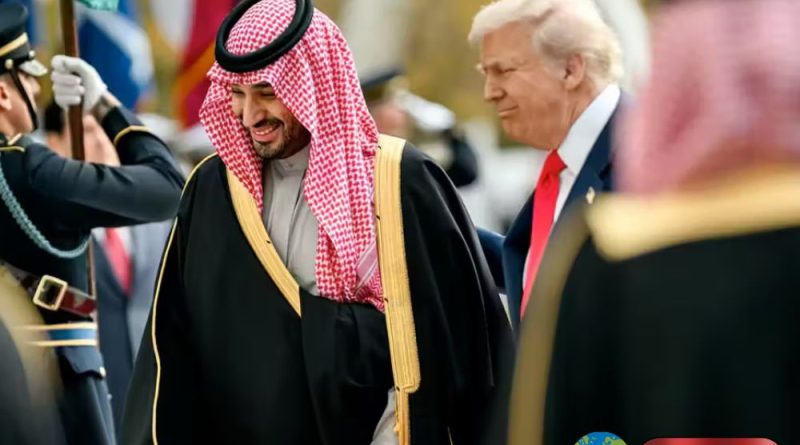
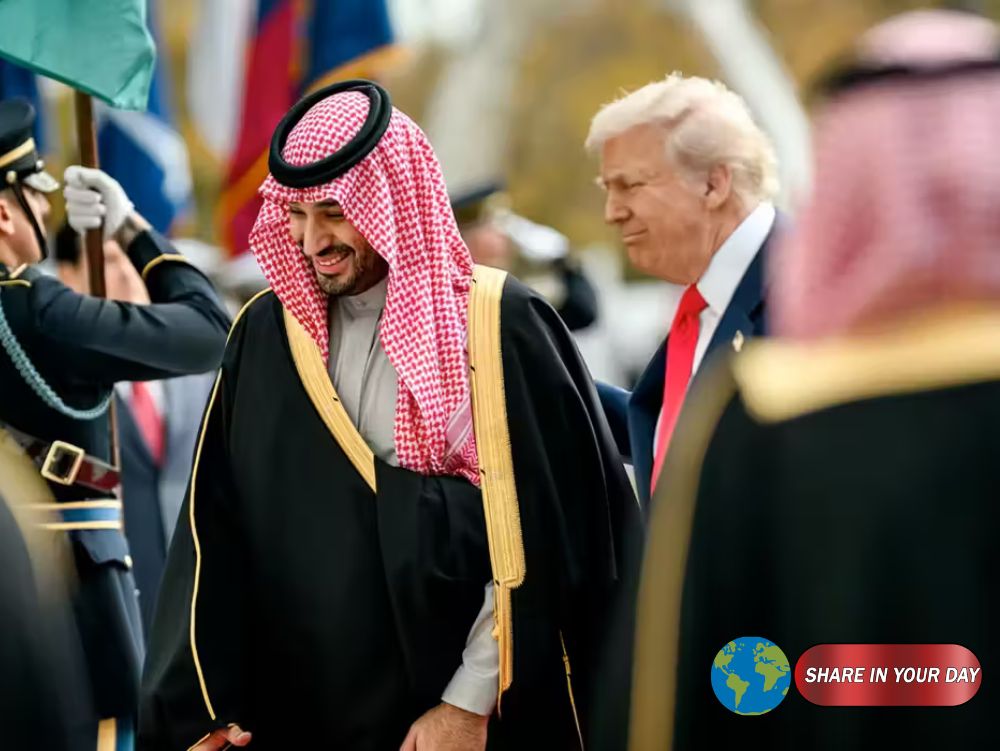
Trump’s first major Middle East trip of his second term in May 2025 reflected a distinctive blend of diplomacy and economic outreach. Visiting Saudi Arabia, Qatar, and the United Arab Emirates, he focused on securing business deals and investment agreements while exploring the possibility of lifting sanctions on Syria’s transitional government.
This trip revealed a reshaped diplomatic strategy that coupled traditional security concerns with economic incentives — and underscored Trump’s emphasis on transactional foreign relations.
Regional Realignment and Multipolar Engagement
Analysts say the Middle East of 2026 increasingly reflects a multipolar landscape. U.S. influence, while still critical, is being balanced against rising ties between regional powers and external actors such as China — particularly in economic and infrastructure initiatives. This complex dynamic has led states like Saudi Arabia, Qatar, Turkey, and Syria to engage with Washington while pursuing independent strategic interests.
Some observers describe this dual reality as the region adapting to an “indispensable but unreliable America” — acknowledging the central role of U.S. diplomatic and security power, even as trust in Washington’s consistency fluctuates.
Legacy and Long-Term Impact
Trump’s Middle East policy in 2026 spans competing priorities: peace diplomacy and cease-fires, economic agreements, military deterrence, and controversial humanitarian proposals. While his administration touts achievements such as ceasefire efforts and revamped economic cooperation, critics argue that plans like forced relocation in Gaza and inconsistent alliances could undermine long-term regional stability.
Whether Trump’s vision ultimately fosters enduring peace or deepens division will depend on unfolding negotiations, regional receptivity, and the ability of leaders across the Middle East to find common ground beyond shifting U.S. policy priorities.