Trump Pledges $10 Billion to Gaza Reconstruction at Inaugural Board of Peace Meeting
WASHINGTON, D.C. — President Donald Trump on Thursday announced a $10 billion U.S. commitment to his newly established Board of Peace, a controversial international initiative aimed at coordinating the reconstruction of Gaza after years of conflict and ongoing humanitarian needs. The announcement came at the body’s first major leaders’ meeting in the U.S. capital.
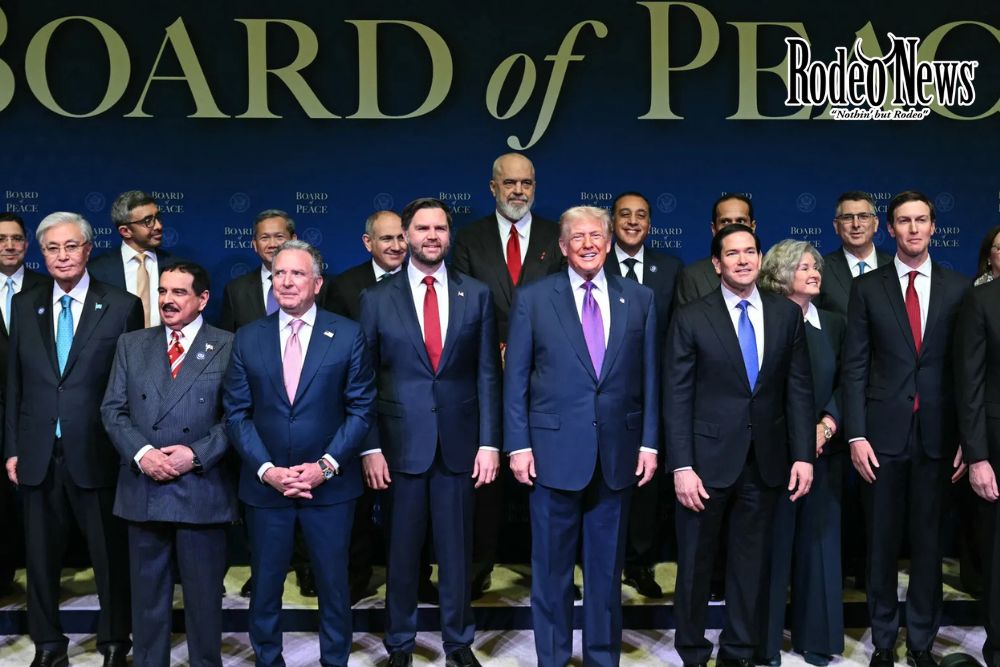
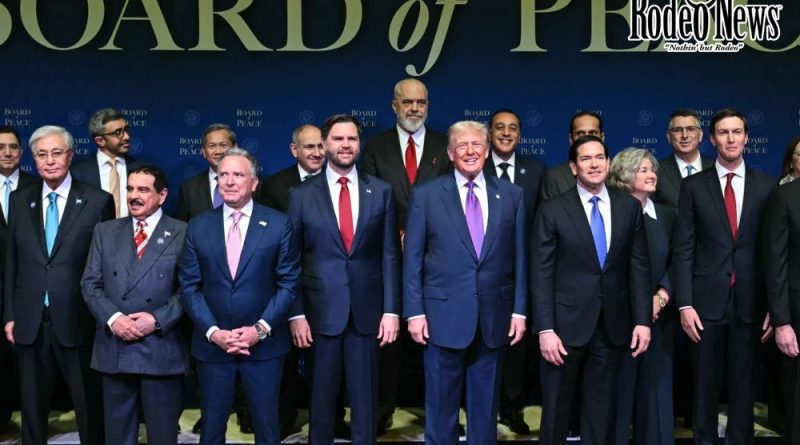
The Board of Peace — launched by Trump as part of a broader peace plan and envisioned as an alternative or supplement to existing international frameworks like the United Nations — convened representatives from dozens of countries to pledge financial support and discuss stabilization efforts for the war-torn Palestinian territory.
Major Financial and Military Commitments
At the inaugural meeting:
- The United States pledged $10 billion to the Board of Peace, though Trump did not specify detailed spending plans, and some of these funds may require Congressional approval before they can be obligated.
- Nine member states — including Kazakhstan, Azerbaijan, the United Arab Emirates, Qatar, Saudi Arabia, Morocco, Bahrain, Kuwait and Uzbekistan — pledged more than $7 billion toward Gaza reconstruction and relief efforts.
- A multinational stabilization force was also agreed, with Indonesia, Morocco, Kazakhstan, Kosovo and Albania committing troops and Egypt and Jordan agreeing to train local police units. The planned force could ultimately include 20,000 soldiers and 12,000 police officers deployed first to Rafah in southern Gaza.
Despite financial and security pledges, the funding falls far short of the approximately $70 billion estimated by the United Nations and humanitarian experts for comprehensive reconstruction of Gaza, where extensive destruction followed more than two years of conflict between Hamas and Israeli forces.
Diplomatic Dynamics and Criticism
The Board of Peace has drawn both support and skepticism on the world stage:
- Several Western allies, including the United Kingdom, Canada, France and Germany, have not joined as full members, reflecting diplomatic caution about the new body and its potential to rival established institutions like the U.N.
- Palestinian representatives are notably absent from the board’s formal leadership structure, a point critics argue undermines the legitimacy and inclusivity of reconstruction efforts.
- The Vatican declined to participate in the Board of Peace, citing “critical issues” with the initiative’s structure and objectives — underscoring broader concerns among traditional diplomatic partners.
Supporters of the board argue it represents fresh momentum toward rebuilding Gaza and stabilizing the region, while Trump and his allies have framed the body as a vehicle for more effective and coordinated action than existing international mechanisms.
Broader Geopolitical Context
The Board of Peace’s launch comes against a backdrop of persistent tensions in the Middle East and broader geopolitical complexity:
- Trump has continued to link diplomatic progress in Gaza with other regional issues, including potential confrontations with Iran — even as he emphasizes peace and reconstruction initiatives.
- Partnerships extending beyond traditional diplomatic circles were visible at the meeting, including commitments from FIFA to support football-related development projects in Gaza, tying sports and community rebuilding into the broader reconstruction blueprint.
What’s Next?
The Board of Peace plans to continue fundraising and discuss reconstruction strategy in future sessions. Trump has expressed hope that more countries will join and contribute funds. However, the board’s initial commitments underscore both the ambition of the initiative and the formidable scale of challenges ahead, including addressing political divides, funding gaps and the ongoing humanitarian situation on the ground in Gaza.