Ukraine Expands Sanctions Against Russia’s “Shadow Fleet” to Cut War Revenue
By [Your Name] – Updated February 22, 2026
Ukraine has unveiled a new round of sanctions targeting captains and operators connected to Russia’s so-called “shadow fleet” of oil tankers that Moscow has used to circumvent Western sanctions and sustain its war economy.
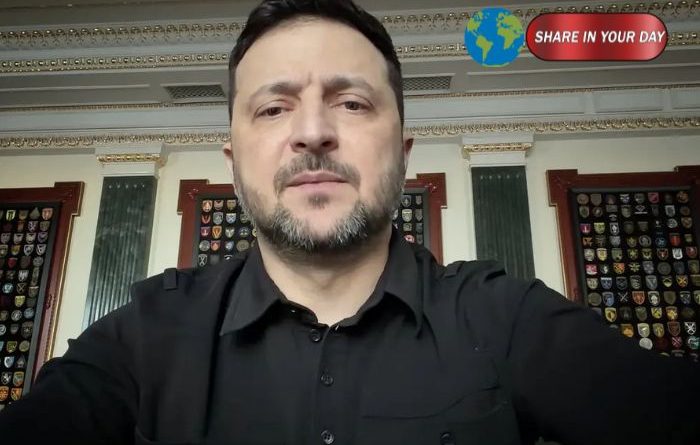
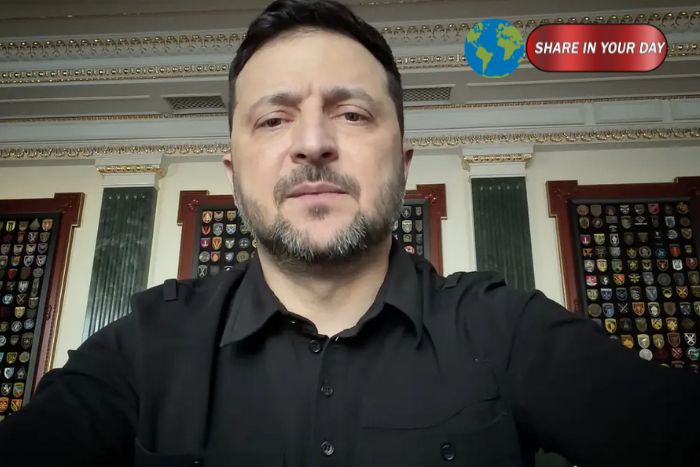
President Volodymyr Zelensky announced late on February 21 that the Ukrainian government has imposed sanctions on 225 captains of vessels involved in transporting Russian oil products, and is urging international partners, including the European Union, to adopt stronger measures to restrict maritime services supporting such ships.
The move comes amid ongoing efforts by Kyiv and its allies to choke off revenue sources for Russia after more than four years of war, and as Western governments weigh further sanctions packages ahead of the fourth anniversary of the invasion later this week.
What Are the New Sanctions?
The latest measures introduced by Zelensky’s government are part of a broader sanctions strategy developed by Ukraine’s National Security and Defence Council and involve:
- Sanctions on 225 vessel captains linked to Russia’s “shadow fleet,” including citizens of 11 countries such as Russia, India and the Philippines, who have helmed ships that transport Russian oil in violation of international sanctions.
- A second sanctions package targeting individuals and entities tied to Russia’s military-industrial complex, including companies involved in producing or supplying equipment used in ballistic missiles, drones and other military systems.
- Calls for expanded EU sanctions, specifically proposals to ban maritime services — such as insurance and port services — for vessels used by Russia to move crude and petroleum products.
Officials say most of the tankers in question — roughly 188 of them — are already subject to sanctions by the European Union, the United States, the United Kingdom and other Western allies, but that the individuals operating them had not previously been included in punitive lists.
Why It Matters
The term “shadow fleet” refers to a network of older oil tankers that operate under complex ownership structures, opaque registration, and often false-flag identities to evade price caps and sanctions designed to limit Russia’s oil exports. These tankers have been central to Moscow’s strategy to keep hard currency flowing despite sanctions on its energy sector.
Ukraine and Western allies have been trying to tighten restrictions on this fleet for months. European naval seizures of suspected shadow fleet tankers, such as the recent detention and release of the oil tanker Grinch by French authorities, have highlighted the challenges of enforcement.
By targeting ship captains and maritime service enablers, Kyiv officials hope to raise the reputational and financial cost of participating in these smuggling operations and reduce incentives to facilitate Russia’s oil trade — a key source of funding for its war effort.
International Context and EU Pressure
Zelensky has repeatedly urged the European Union to strengthen its sanctions toolkit, as EU member states prepare a 20th sanctions package against Russia, potentially to be finalized on February 24, the anniversary of the invasion. Ukrainian leaders argue that banning maritime support services for vessels in the shadow fleet would significantly disrupt Moscow’s ability to export oil.
Some EU governments have already taken action, tightening controls on tankers linked to shadow fleet networks and cooperating with Kyiv on monitoring and enforcement efforts. However, member states differ on how aggressively to pursue maritime sanctions, balancing diplomatic, economic and legal considerations.
Broader Sanctions Strategy
The latest Ukrainian sanctions follow earlier initiatives that targeted smaller groups of individuals and entities associated with the shadow tankers and Russia’s war logistics. Previous Ukrainian sanctions included measures against 94 individuals and several legal entities tied to shadow fleet activity and other sanction-evasion tactics.
Separately, Kyiv has also imposed sanctions on Belarusian leadership for aiding Russia’s war and on other actors linked to the Kremlin’s military supply chain.
What Comes Next
The new sanctions underscore Ukraine’s strategy of combining legal pressure with diplomatic outreach to isolate Russia’s economic networks. Kyiv is continuing to push for stronger EU and NATO coordination on sanctions enforcement, especially in maritime domains, where shadow fleet tankers have operated with relative impunity in international waters.
Whether the latest measures will significantly curb Russia’s oil revenues remains uncertain, especially as Moscow has diversified its export routes and developed more sophisticated evasion tactics. Still, analysts say targeting operators and captains could broaden the impact of sanctions beyond vessel ownership, complicating Russia’s logistical calculations.