Jamie Foxx Says BAFTA Awards Slur Was Intentional, Not a Tourette’s Tic
By Entertainment Correspondent
February 24, 2026
The fallout from the 2026 BAFTA Film Awards continues to intensify after Jamie Foxx publicly challenged the official explanation behind a racial slur shouted during the ceremony — arguing the moment was “intentional” rather than an uncontrollable symptom of Tourette’s syndrome.
What was meant to be a celebration of film quickly turned into one of the most contentious cultural flashpoints in recent awards history, igniting debate over disability, race and accountability.
A Night That Took a Sharp Turn
The incident unfolded inside London’s Royal Festival Hall on February 22, during the live-to-tape broadcast of the 2026 British Academy Film Awards.
John Davidson, a 54-year-old Scottish campaigner and Member of the Order of the British Empire (MBE), attended the ceremony as the real-life inspiration for the nominated biopic I Swear. Davidson has lived with Tourette’s syndrome since childhood and experiences coprolalia — a condition that can cause involuntary swearing.
Audience members were reportedly briefed in advance that Davidson might experience vocal tics during the show.
For the first portion of the ceremony, his audible interruptions — including shouts of “Boring!” and profanity during opening remarks — were met with restrained professionalism. But the atmosphere shifted dramatically when actors Michael B. Jordan and Delroy Lindo took the stage to present Best Visual Effects.
As Jordan began speaking, a racial slur was clearly heard in the hall and picked up by broadcast microphones. Lindo appeared momentarily stunned before both presenters completed their segment.
The Official Explanation
Within hours, the BBC and BAFTA issued formal apologies, stating that the word stemmed from involuntary verbal tics associated with Tourette’s syndrome and “was not intentional.”
Host Alan Cumming addressed viewers during the broadcast, explaining that Tourette’s is a neurological disorder and that the individual had no control over the outburst.
Medical experts note that coprolalia can involve the sudden expression of taboo or socially forbidden words — not as reflections of belief, but as neurological misfires. Advocacy groups warned against weaponizing a disability in the public backlash.
Yet for many viewers, particularly within the Black community, the explanation did not erase the emotional impact of hearing the slur directed — intentionally or not — at two Black actors on one of the industry’s biggest nights.
Foxx Enters the Debate
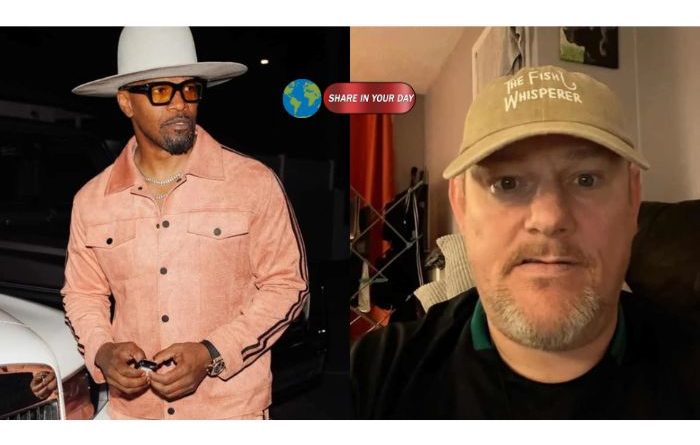
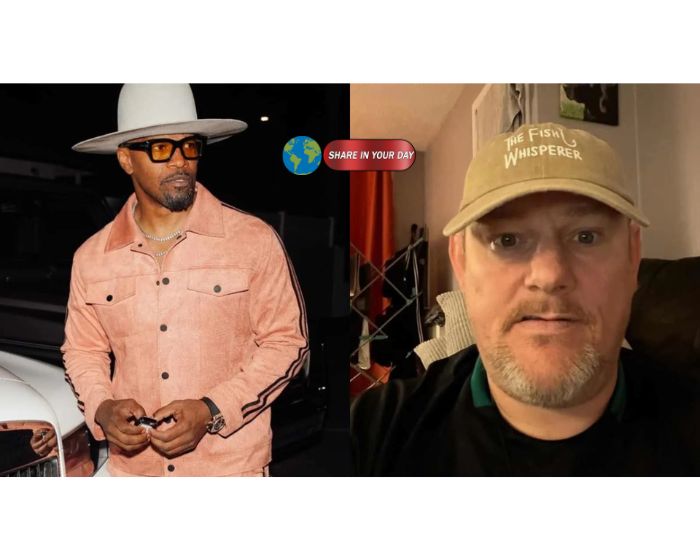
Foxx’s reaction added a combustible new dimension.
“Unacceptable,” he wrote in response to a clip circulating online. In a follow-up post, he was more blunt: “Nah he meant that.”
Foxx’s comments suggested skepticism about whether the timing of the outburst — as two Black actors stood center stage — could be dismissed purely as neurological coincidence.
His intervention reframed the story from one about medical context to one about intent and accountability.
While Davidson has not publicly responded to Foxx’s remarks, the exchange has fueled an already heated conversation online, with critics questioning whether medical explanations can fully shield moments that cause racial harm.
The Broadcast Question
A second controversy quickly emerged: why was the slur not edited out?
The BAFTA ceremony is traditionally aired on a delay precisely to filter out profanity or unexpected disruptions. Yet the word aired unbleeped on BBC One and initially remained in the iPlayer upload.
Critics argue that even if Davidson’s outburst was involuntary, editorial control rests with the broadcaster.
The BBC later apologized for the failure to remove the language, but the lapse has intensified scrutiny over safeguarding protocols during live-to-tape events.
A Career of Advocacy
The irony of the moment is difficult to ignore.
Davidson has spent decades advocating for Tourette’s awareness in the UK. The biopic inspired by his life sought to humanize the stigma surrounding his condition. Actor Robert Aramayo, who portrayed Davidson, won Best Actor that same evening.
Yet the film’s message of empathy was overshadowed by the very kind of public misunderstanding it aimed to dismantle.
Davidson reportedly left the ceremony before its conclusion. Supporters argue that vilifying him risks reinforcing stigma against people with neurological disorders.
A Collision of Harms
At its core, the controversy presents what some commentators describe as a “collision of rights” — the right of individuals with disabilities to participate fully in public life, and the right of Black professionals to exist in those spaces without exposure to racial slurs.
Foxx’s stance underscores a deeper discomfort: even if an act is involuntary, does that negate its impact? And who bears responsibility for mitigating that harm?
As the dust settles, the 2026 BAFTAs may be remembered less for cinematic achievement and more for the uneasy questions they left behind — about intent, accountability, and the limits of explanation.
For Foxx, the issue appears straightforward: timing matters. And in moments charged with history and race, context can be as powerful as intent.