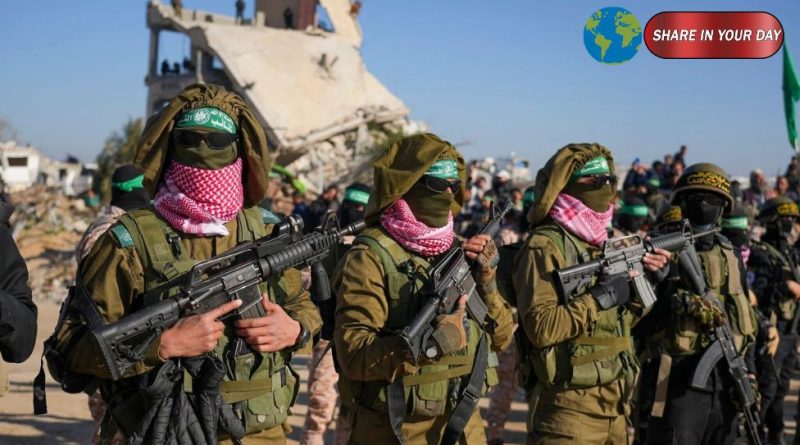
Hamas Seen Working to Maintain Control of Gaza Despite Trump-Backed Post-War Plan
JERUSALEM / GAZA — Despite a U.S.-backed initiative to reshape governance in the Gaza Strip after years of conflict, Hamas is reportedly maneuvering to preserve its influence across key civilian and security institutions, according to sources cited by The Times of Israel. The developments underscore the challenges facing international efforts to implement a post-war roadmap that aims to reduce the militant group’s dominance.
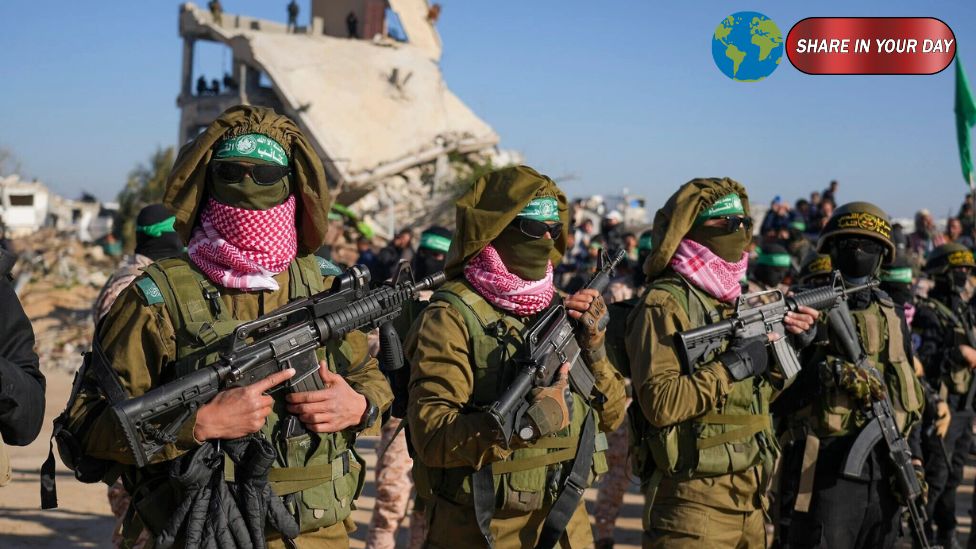
The White House under former President Donald Trump has championed a peace and stabilization strategy for Gaza that includes the creation of new governance bodies supervised by international partners and technocrats. But evidence seen by local media suggests that Hamas is actively positioning loyalists to shape, and potentially limit, the authority of these transitional structures.
Trump’s Plan and New Governance Structures
The U.S.-brokered post-war framework, part of an effort to end the long-running conflict between Israel and Hamas, envisions a transitional governance phase for Gaza that would reduce the group’s direct control. This includes the establishment of a Board of Peace, an international oversight body, and a National Committee for the Administration of Gaza (NCAG) — a technocratic committee intended to manage daily civil administration with input from Gazans and external partners.
The NCAG has already begun recruiting a new Palestinian police force and has drawn thousands of applicants, as part of efforts to replace former security arrangements and professionalize public safety work in Gaza.
The Board of Peace — chaired by Trump — has also held its initial meetings, securing pledges from several countries to support Gaza’s reconstruction and peacekeeping initiatives. The approach aims to balance reconstruction aid with demilitarization, though implementation remains complex and contested.
Hamas Moves to Retain Influence
Despite formal commitments to these new governance frameworks, Hamas appears to be ensuring it does not lose power on the ground, according to reports from local media and regional analysts. The group has been identified as positioning loyal officials within civil institutions and maintaining control over much of Gaza’s existing bureaucratic apparatus.
Recent assessments also indicate that Hamas continues to fund public services, collect unofficial taxes, and exert influence over everyday life — functions that bolster its relevance even as international plans proceed. In some cases, Hamas has disseminated internal “rights documents” to its officials outlining benefits and urging them to engage directly with the new technocratic authorities once they take office.
Some observers say the group’s tactics reflect a pragmatic effort to secure its organizational survival and maintain social links in a territory badly damaged by years of war. Gaza’s civil infrastructure, painstakingly built up under long-term Hamas rule, remains deeply intertwined with the group’s networks, complicating efforts to build entirely new systems.
Competing Visions for Post-War Gaza
At the heart of the tension is an institutional tug-of-war between those pushing for a complete transformation of Gaza and actors who see continuity — even under a new facade — as inevitable. The emerging governance plan sets out a phased transition that hinges on the demilitarization of Hamas and the integration of a multinational peacekeeping force, as laid out under the wider Gaza peace plan framework brokered in 2025.
However, progress has been uneven. While the NCAG has taken steps toward establishing a police force and restoring civil services, Israel and others remain wary about Hamas’s involvement. Israel has firmly opposed any future official role for Hamas in Gaza governance and has stressed that disarmament and security assurances are central prerequisites for the peace plan’s next phase.
Some international diplomats and analysts argue that sidelining Hamas entirely — particularly its military wing — will be a lengthy process that could take years, even if formal authority is transferred to new bodies. The group’s remaining fighters and entrenched networks pose formidable obstacles to immediate demilitarization.
Broader Geopolitical Impact
The unfolding situation in Gaza has implications far beyond the territory’s borders. Regional and global actors have invested in the peace process, with some conferring financial and logistical support to the Board of Peace and related initiatives. Successful implementation could serve as a model for post-conflict transitions in other parts of the Middle East.
But for now, the reality on the ground reflects a much tougher path: one in which Hamas’s entrenched presence, administrative reach, and social networks may persist even as new governance models are introduced. How long that coexistence can continue without boiling into renewed conflict or political paralysis remains an open question among diplomats and policy experts.
In summary: While the Trump-backed post-war governance plan for Gaza aims to reduce Hamas’s control and embed international oversight, new reports indicate that the group is actively working to retain influence within the territory’s administrative and security structures. As transitional bodies begin operations, the practical balance between change and continuity will shape the future of Gaza’s political landscape.