Trump Faces Economic Risks at State of the Union as Inflation, Tariffs and Public Frustration Loom Large
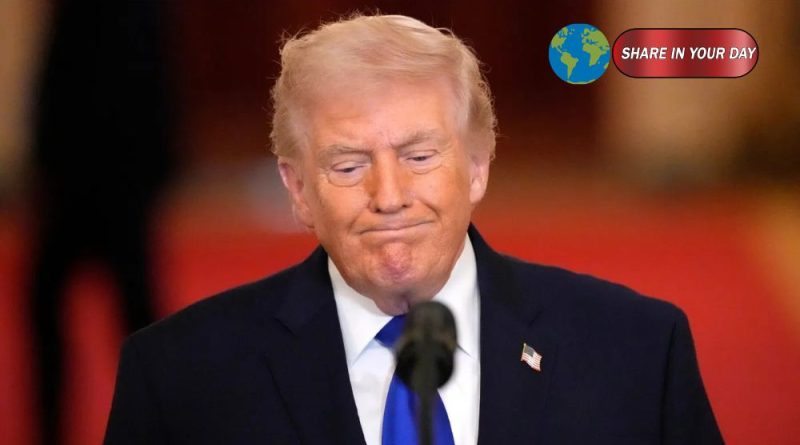
WASHINGTON, D.C. — President Donald Trump delivered his 2026 State of the Union address to a politically divided Congress on Tuesday night, placing the economy front and center amid persistent risks that could shape both public opinion and the political landscape ahead of the November midterm elections.
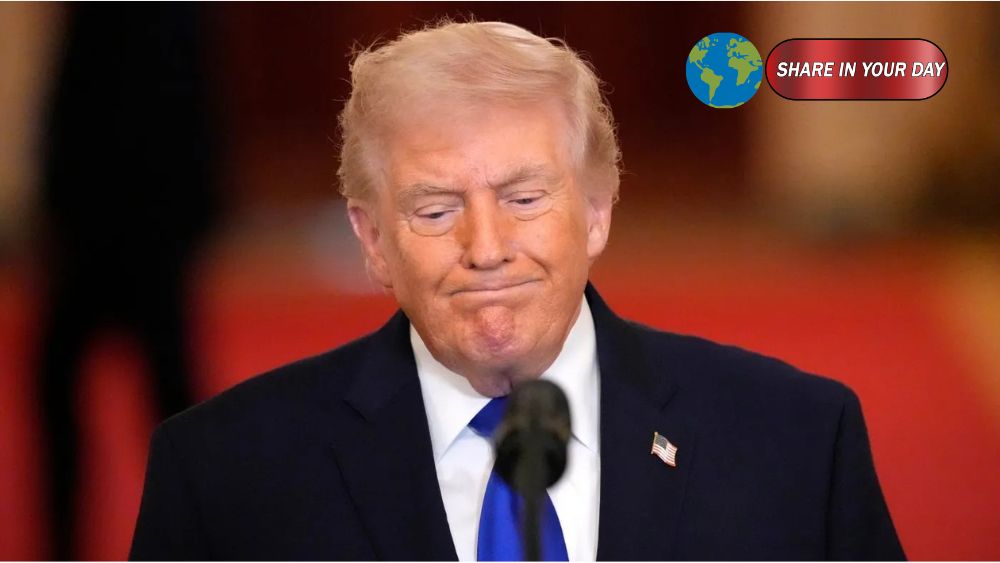
Trump sought to portray his economic record as a “golden age” of low inflation, booming stock markets and strong job creation, while touting recent tax cuts and healthcare price reforms as cornerstones of his agenda. Despite the optimistic framing, data and public sentiment suggest a more nuanced reality that could undermine his messaging.
Persistent Cost‑of‑Living Headaches
One of the most significant economic challenges facing Trump’s speech was the lingering cost‑of‑living crisis that has frustrated many Americans. Although headline inflation has eased compared with previous years, everyday prices for essentials — including groceries, rent and insurance — remain high, and many households still feel financial pressure. Recent polling shows that a majority of voters believe their personal affordability situation has not improved under the current administration, with a significant share saying conditions have worsened.
For Trump and Republican lawmakers, reconnecting with voters on economic issues is especially urgent: many Americans still disapprove of the handling of the economy, and high prices have become a potent political liability ahead of the midterms.
Tariffs and Trade Policy Uncertainties
Trade policy has emerged as another flashpoint in the economic debate. The Trump administration’s aggressive use of tariffs — designed to protect domestic industries — has created uncertainty in markets and pushed up costs for many American businesses and consumers. After the U.S. Supreme Court struck down key tariff measures, Treasury and trade officials hastily implemented new temporary global tariffs under alternate legal authority, adding complexity to an already contentious issue.
Economists and investors alike have warned that such unpredictable tariff policies could squeeze consumer wallets and disrupt supply chains, with much of the cost ultimately passed on to businesses and households rather than foreign producers.
Stock Market Strength versus Economic Reality
Trump pointed to robust equity markets and retirement account gains as evidence of economic success. While major indices have experienced record highs, broader measures of economic health paint a mixed picture. Growth in manufacturing jobs has lagged, and key sectors such as factory employment have shown weakness, raising questions about the sustainability of market‑driven narratives in everyday economic conditions.
Additionally, strategic challenges such as a widening trade deficit and slowing overall GDP growth have tempered economic optimism. Observers note that while Wall Street performance remains a headline grabber, it doesn’t always translate into tangible improvements for most workers and families.
Political Stakes High
The White House’s focus on economics during the address also reflects broader political urgency: Trump’s approval ratings have been weighed down by economic concerns, and analysts warn that without more compelling progress on affordability and wage growth, Republicans risk losing seats in Congress.
Party strategists acknowledge that framing the economy as strong on paper will not be enough to sway frustrated voters unless everyday cost pressures are meaningfully addressed. The speech, therefore, acted as both a performance of policy achievements and a signal of intent to shift the narrative before the midterms.
Despite optimistic rhetoric from the administration, many Americans continue to grapple with the real‑world impacts of high prices, tariff‑driven costs, and labor market strains, leaving the economic message at the heart of political debates this year.