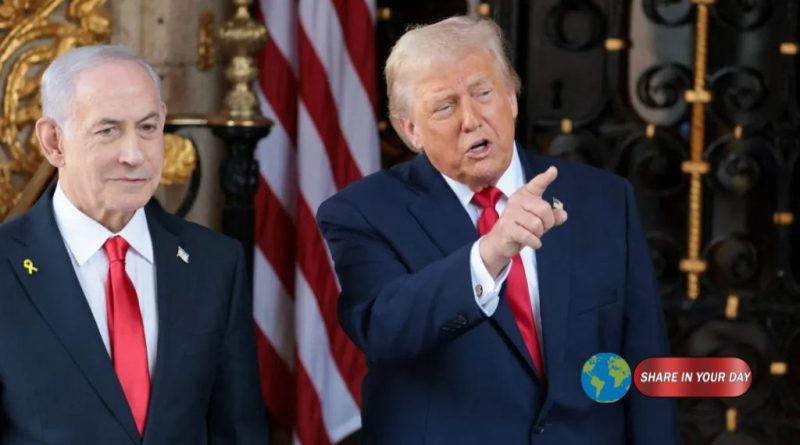
Trump and Netanyahu Push Regime Change as Iran’s System Prepares for Survival
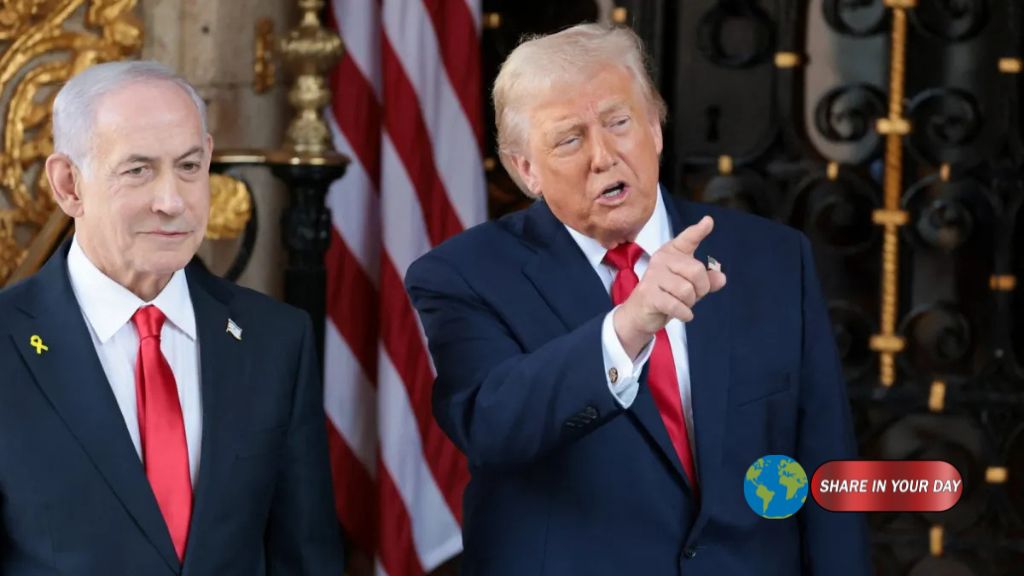
Washington / Jerusalem / Tehran — The killing of Iran’s Supreme Leader, Ali Khamenei, in joint U.S.–Israeli strikes has detonated one of the most consequential crises in modern Middle Eastern history. But while President Donald Trump and Prime Minister Benjamin Netanyahu openly speak of regime change in Tehran, the Islamic Republic they seek to dismantle was built precisely for moments like this.
What began as a targeted military campaign has rapidly spiraled into open warfare. Iranian missiles have struck Israeli territory and U.S. installations across the Gulf. Airstrikes pound military infrastructure inside Iran. The region is once again bracing for a prolonged conflict.
Yet the assumption that eliminating Khamenei would unravel the Islamic Republic may prove misguided.
A Leadership Designed to Endure
Khamenei was more than Iran’s head of state. As Supreme Leader since 1989, he stood at the apex of political, military and religious authority. His death is a seismic shock — but not necessarily a fatal one for the system he led.
Under Iran’s constitution, the powerful Assembly of Experts is tasked with appointing and, if necessary, dismissing the Supreme Leader. The body is expected to convene swiftly to designate either an interim authority or a permanent successor.
Among figures widely discussed in Tehran’s political circles are judiciary chief Gholam-Hossein Mohseni-Eje’i, senior aide Ali Asghar Hejazi, and Hassan Khomeini, grandson of the Islamic Republic’s founder, Ruhollah Khomeini.
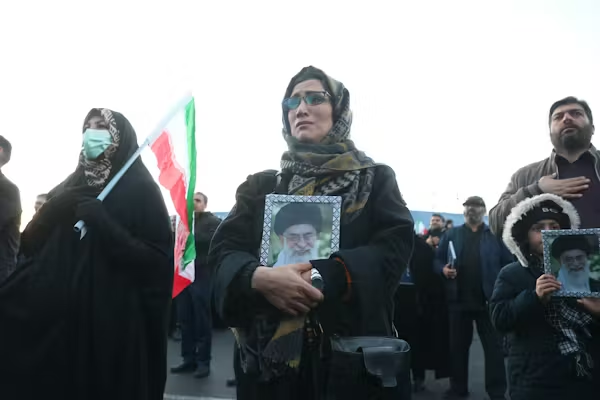
Crucially, Khamenei reportedly anticipated the possibility of assassination. Iranian sources suggest contingency plans were arranged for succession within both political and military leadership ranks in the event of senior figures being “martyred.”
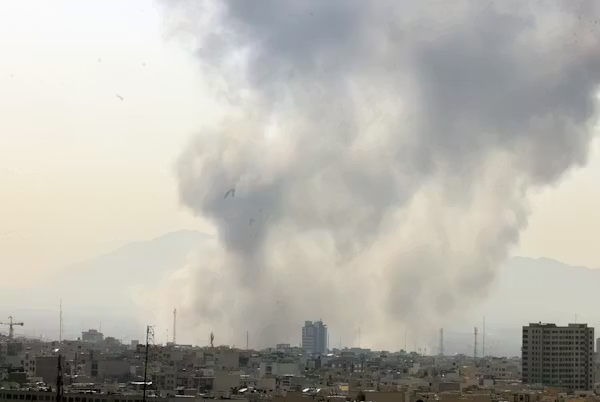
Iran’s ruling structure has endured similar shocks before. The 2020 U.S. assassination of Qassem Soleimani, architect of Tehran’s regional security strategy, triggered fury and vows of revenge. Yet the system adapted, replaced leadership, and continued operating with discipline and cohesion.
The IRGC Factor
The backbone of the Islamic Republic’s resilience lies in the Islamic Revolutionary Guard Corps (IRGC), alongside its paramilitary Basij network.
The IRGC is not merely a military force. It is an economic powerhouse, intelligence apparatus and ideological guardian of the revolution. Its senior commanders’ fortunes — political, financial and personal — are deeply intertwined with regime survival.
Unless fractures emerge within its ranks, analysts say, the prospect of immediate regime collapse remains slim.
The Trump and Netanyahu governments have appealed directly to Iran’s population, urging citizens — roughly 60% of whom are under 30 — to rise against the clerical leadership. Iran has experienced waves of unrest in recent years, fueled by economic hardship, political repression and social restrictions. Crackdowns were severe, with thousands reportedly killed during protests in late 2025 and early 2026.
But popular anger alone does not guarantee regime change. Without visible splits among security elites, uprisings are unlikely to succeed.
Escalation at Sea and in the Skies
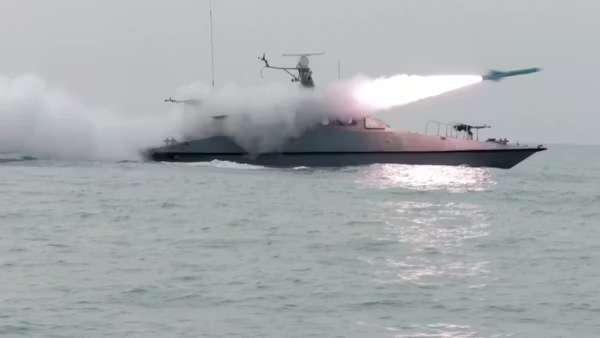
Tehran has responded to Khamenei’s killing with force. Iranian ballistic missiles and drones have targeted Israeli cities and U.S. military bases across the Persian Gulf. While many projectiles have been intercepted, several strikes have caused significant damage.
The IRGC has also threatened shipping routes through the Strait of Hormuz — a narrow corridor through which roughly one-fifth of the world’s oil supply passes daily.
Washington has pledged to keep the waterway open. But any sustained disruption could send global energy prices soaring and destabilize markets already strained by geopolitical tensions.
The stakes extend far beyond the battlefield.
Diplomacy Derailed
The war erupted just as Washington and Tehran were reportedly engaged in renewed discussions over Iran’s nuclear program. António Guterres has urged immediate de-escalation, while regional mediators had expressed cautious optimism only days earlier that diplomacy was within reach.
Those hopes have evaporated.
China and Russia — both maintaining close ties with Tehran — have condemned the strikes, warning against further escalation. The conflict now risks widening into a confrontation with broader global implications.
A Long War Looms
Both Washington and Jerusalem appear intent on fundamentally weakening the Islamic Republic’s military and political architecture. For Trump, the campaign signals a projection of American dominance at a time of intensifying rivalry with Beijing. For Netanyahu, it reinforces Israel’s position as the region’s preeminent military power after years of conflict with Iranian-backed groups.
But Tehran’s leadership has framed the confrontation as existential. Survival, not compromise, is the immediate objective.
With red lines shattered and diplomacy sidelined, the path ahead points toward sustained confrontation. This may not be a conflict measured in days, but in weeks — potentially longer — depending on the endurance of both sides and the reaction of regional powers.
For ordinary Iranians, Israelis and citizens across the Middle East, the human cost of geopolitical ambition is already mounting. Markets tremble, alliances harden and the possibility of broader war edges closer.
The architects of this confrontation may believe they are reshaping the regional order. Yet history suggests that regimes built for survival rarely collapse quickly — especially under fire.
If regime change is the goal, it will not come easily. And the price of pursuing it could reverberate far beyond Tehran.