Iran Conflict Exposes Deep European Divisions With Potential Backfire on Global Security
By [Your Name], International Affairs Correspondent — March 3, 2026
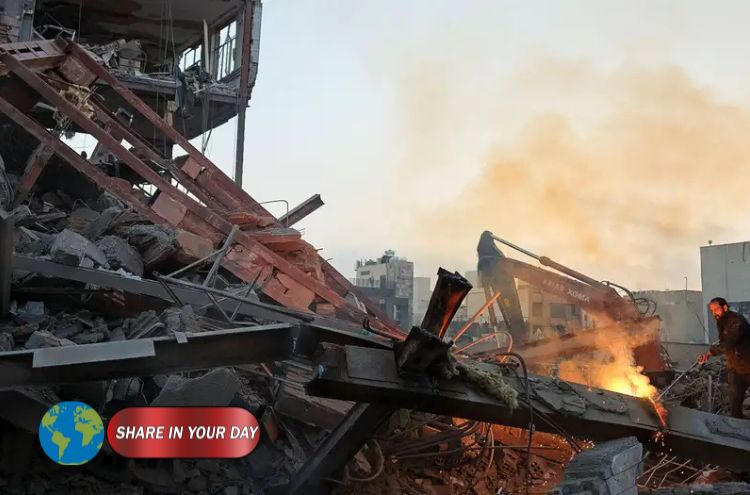
As the war between the United States, Israel and Iran intensifies, Europe finds itself deeply divided over its response — a split that analysts warn could have backfiring consequences for diplomacy, security and transatlantic relationships. The crisis has underscored stark differences between European capitals over support for U.S.-led military action and fear of wider escalation across the Middle East and beyond.
A Fractured Response to Military Strikes
The U.S. and Israel’s joint military offensive on Iran — which has killed key Iranian leaders and sparked Iranian counterattacks — has thrust Europe into an uncomfortable geopolitical position. While some European governments have aligned themselves with Washington’s goals in rhetoric, others have openly condemned the strikes as dangerous and outside international law.
Spain’s government, led by Prime Minister Pedro Sánchez, has been among the most vocal critics. Madrid refused to allow U.S. forces to use jointly operated military bases in Spain for the Iran operation, saying such action violated legal agreements and risked broader instability. Spanish officials labelled the offensive as “unjustified and dangerous,” arguing it undermines international order rather than bolstering security.
In contrast, governments in Berlin and London have taken a markedly different tack. German Chancellor Friedrich Merz plans to travel to Washington for talks with President Donald Trump, seeking to balance concerns over legal justification with cooperation against perceived Iranian threats.
UK Prime Minister Keir Starmer has insisted the United Kingdom did not join offensive strikes, even while allowing U.S. use of British bases for defensive operations aimed at countering Iranian missile and drone attacks. British leaders stress a focus on protecting nationals and regional stability, rather than active participation in combat operations.
Unity Calls, but Reality Is Fractured
Across the broader European Union, leaders have issued joint appeals for restraint, diplomatic solutions and respect for international law. Emergency EU foreign ministers’ talks resulted in statements urging maximum restraint and humanitarian considerations amid unprecedented military hostilities involving Tehran, Washington and Tel Aviv.
Yet these sentiments often mask deeper rifts. Some EU members echo Spain’s criticism, denouncing unilateral action that bypasses broader diplomatic consensus. Others support a transatlantic security partnership but worry that involvement — even indirect — could suck Europe into an expanding conflict zone.
These divisions reflect longer-standing differences in European foreign policy: some nations emphasize strict adherence to international law and diplomacy, while others prioritize alliance cohesion and defense preparedness in the face of perceived threats from Iran’s missile and nuclear programs.
Risks of Strategic Backfire
Experts caution that Europe’s divided stance carries significant risks. Firstly, a lack of a unified approach may weaken the EU’s influence in mediating future negotiations or shaping post-conflict outcomes. European diplomats — once central to previous Iranian nuclear agreements — now find themselves sidelined, with limited leverage as the conflict draws in global powers.
Additionally, the split undermines a coherent transatlantic strategy. While NATO remains a cornerstone of collective defense, divergent European national positions on the legality and prudence of U.S.-led strikes create diplomatic friction and uncertainty about long-term policy alignment. Analysts suggest this could embolden adversaries or further destabilize fragile regional balances.
There are also domestic political implications: European publics are increasingly wary of foreign military entanglements. Memories of past interventions in the Middle East — notably Iraq and Libya — have shaped skepticism toward new conflicts without clear objectives or exit strategies, influencing leaders’ caution.
Economic and Security Spillover Effects
Beyond politics, the war has tangible security and economic impacts for Europe. The widening conflict has disrupted global energy markets by threatening the strategic Strait of Hormuz — a chokepoint for oil exports — and jolted financial markets, with European stocks sliding and defense stocks rising amid uncertainty.
Logistical disruptions and evacuation efforts for European citizens in the Middle East further strain diplomatic resources, compelling capitals to balance civilian safety with broader geopolitical concerns.
Looking Forward
As the U.S.–Iran conflict persists, the European Union and its member states face a critical test: whether to forge a unified diplomatic front or continue navigating the crisis through a patchwork of divergent national stances.
How Europe manages this divide — between alliance obligations, legal principles, and strategic autonomy — may not only determine its future role in Middle Eastern diplomacy but could shape its global credibility on security and international law in a fractious era.