Hormuz Crisis Shocking Impact: 5 Reasons It’s Worse
The Hormuz crisis is rapidly emerging as one of the most dangerous threats to global trade and energy supply in decades. While Western powers struggled to secure shipping routes in the Red Sea, experts now warn that stabilizing the Strait of Hormuz could be far more complex, costly, and risky.
The narrow waterway, a vital artery for global oil transport, has become the epicenter of geopolitical tension following escalating conflict involving Iran, the United States, and regional allies. As military risks intensify, analysts say the lessons learned from the Red Sea are unlikely to translate into success in Hormuz.
A Strategic Chokepoint With No Alternative
The Strait of Hormuz is not just another shipping route—it is one of the most critical chokepoints in the global economy. Roughly 20% of the world’s oil supply passes through it, making any disruption immediately felt across global markets.
Unlike other maritime routes, there are no viable alternatives to bypass the strait at scale. While pipelines exist, they cannot handle the volume needed to replace tanker traffic.
This makes the Hormuz crisis uniquely dangerous. If the strait is blocked or restricted, the consequences ripple far beyond the Middle East—affecting energy prices, inflation, and global supply chains.
Lessons From the Red Sea Failure
Western powers previously attempted to secure shipping routes in the Red Sea amid attacks by Houthi forces. However, the operation proved both expensive and only partially effective.
According to Reuters, more than $1 billion in weapons were used in efforts to protect vessels, yet multiple ships were still sunk.
This experience highlights a sobering reality: even with significant military investment, guaranteeing safe passage through contested waters is extremely difficult.
Now, experts believe that Hormuz presents an even greater challenge.
Why the Hormuz Crisis Is Far More Dangerous
1. Advanced Military Capabilities
Iran possesses significantly more advanced military capabilities than the groups involved in the Red Sea conflict. These include:
- Precision-guided missiles
- Armed drones
- Naval mines
- Fast-attack boats
These systems allow Iran to threaten ships from multiple angles, making defense far more complicated.
2. Narrow and Highly Vulnerable Geography
The Strait of Hormuz is extremely narrow, creating a natural bottleneck. Ships must pass through confined lanes, making them easy targets.
Unlike broader seas, there is little room for maneuvering or evasion. This geographic limitation increases the risk of attacks and accidents.
3. Risk of Mines and Swarm Attacks
One of the biggest concerns is the use of floating and underwater mines, which are difficult to detect and can shut down shipping lanes entirely.
Additionally, military experts warn of potential “swarm attacks”, where multiple drones or small vessels overwhelm defenses.
Such tactics could cripple even heavily protected convoys.
4. Limited Effectiveness of Naval Escorts
While naval escorts are often used to protect shipping, they are not a guaranteed solution.
Even the head of the International Maritime Organization has warned that escorts cannot fully ensure safety in such a high-risk environment.
Protecting every ship would require massive coordination, resources, and time—something that may not be sustainable.
5. Political and Military Uncertainty
The geopolitical landscape surrounding the Hormuz crisis adds another layer of complexity.
- The United States and allies remain divided on strategy
- Regional powers face direct security threats
- Iran continues to signal selective access for certain ships
Some vessels may pass safely, while others face attack, creating uncertainty that discourages commercial shipping.
Global Energy Markets Under Pressure
The impact of the Hormuz crisis is already being felt in global markets. Oil prices have surged amid fears of supply disruption, echoing previous energy crises.
At the peak of the current conflict, oil prices climbed above $100 per barrel, highlighting how sensitive markets are to disruptions in the strait.
Energy-importing nations, particularly in Asia, are especially vulnerable. Many rely heavily on Middle Eastern oil transported through Hormuz, leaving them exposed to sudden shortages and price spikes.
Shipping Industry Faces Unprecedented Risk
For shipping companies, the Hormuz crisis represents a perfect storm of risk:
- Insurance costs have skyrocketed
- Crews face life-threatening conditions
- Companies are rerouting or suspending operations
Many vessels are choosing to avoid the strait entirely, leading to congestion in nearby waters and delays in global trade.
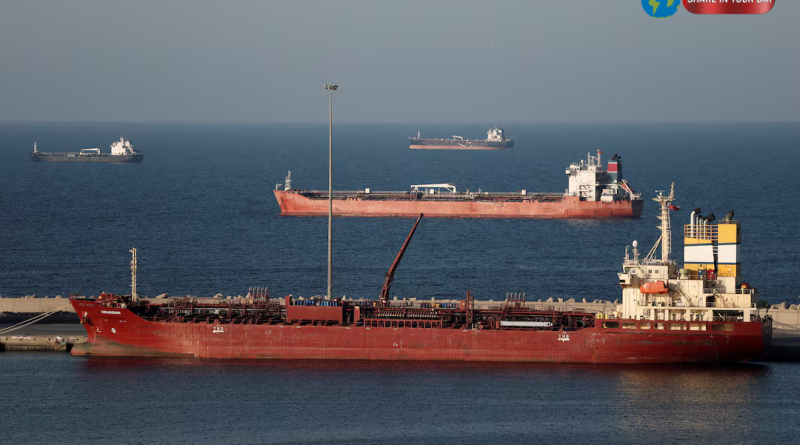
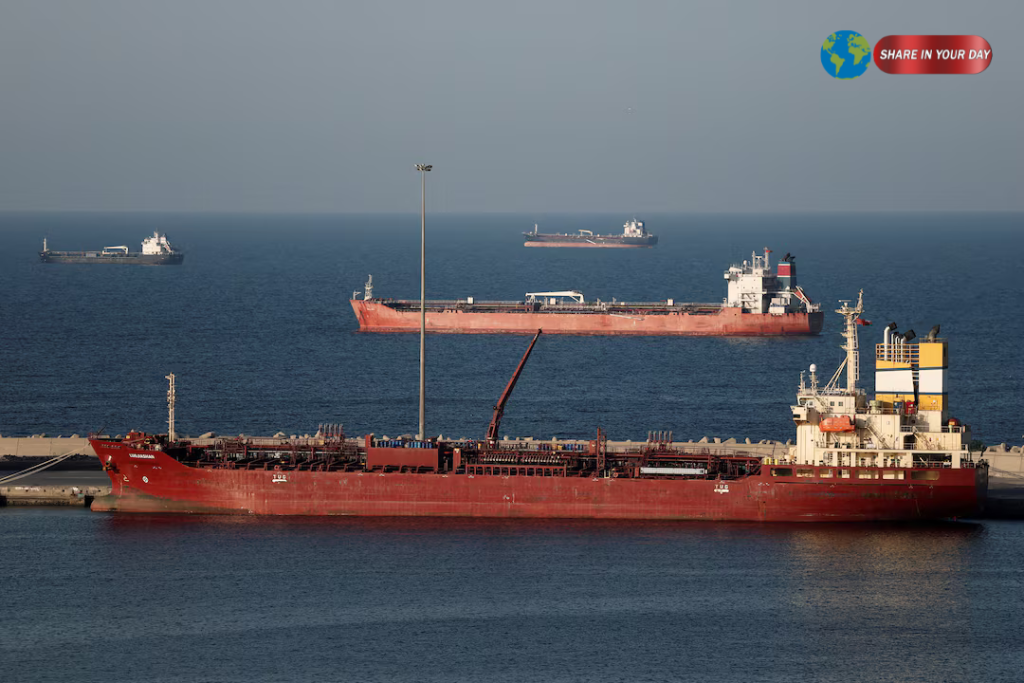
At one point, tanker traffic dropped dramatically, with hundreds of ships waiting outside the strait rather than risk passage.
Can Military Intervention Solve the Crisis?
Despite discussions of military intervention, experts remain skeptical.
Securing the Strait of Hormuz would require:
- Warships
- Surveillance aircraft
- Mine-clearing operations
- Continuous patrols
Even with these resources, restoring safe passage could take months, and success is far from guaranteed.
Moreover, any escalation risks triggering a broader regional conflict, potentially involving multiple countries.
Long-Term Solutions: Reducing Dependence
Some analysts argue that the only real solution is to reduce global reliance on the Strait of Hormuz altogether.
This would involve:
- Expanding pipeline infrastructure
- Diversifying energy sources
- Increasing renewable energy investment
However, such changes would take years—and require massive financial investment.
In the short term, the world remains heavily dependent on this narrow and vulnerable waterway.
A Defining Moment for Global Trade
The Hormuz crisis is more than a regional conflict—it is a test of the global economic system’s resilience.
It exposes critical vulnerabilities in:
- Energy supply chains
- Maritime security
- International cooperation
As tensions continue, the stakes remain high. A prolonged disruption could reshape global trade patterns and accelerate shifts in energy policy worldwide.
Conclusion
The Hormuz crisis represents a far greater challenge than previous maritime conflicts, including the Red Sea crisis. With its strategic importance, lack of alternatives, and heightened military risks, securing this vital shipping route is proving to be an extraordinarily complex task.
While Western powers struggled to guarantee safety in the Red Sea, the situation in Hormuz raises even deeper concerns. The combination of advanced weaponry, geopolitical tension, and economic dependence creates a scenario where simple solutions are unlikely.
As the crisis unfolds, the world watches closely—aware that what happens in the Strait of Hormuz could shape the future of global trade and energy for years to come.