TACO Trade Explained: Why Investors Are Watching Closely
The “TACO trade” has quickly become one of the most talked-about strategies on Wall Street. While it started as a joke, it is now influencing real investment decisions and shaping market behavior.
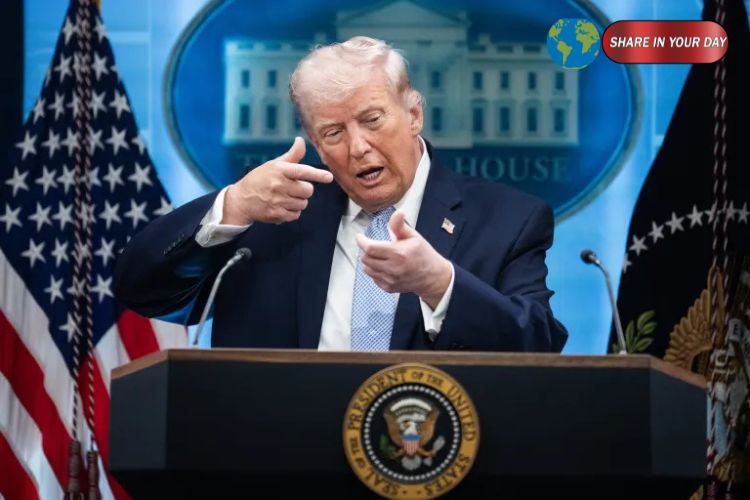
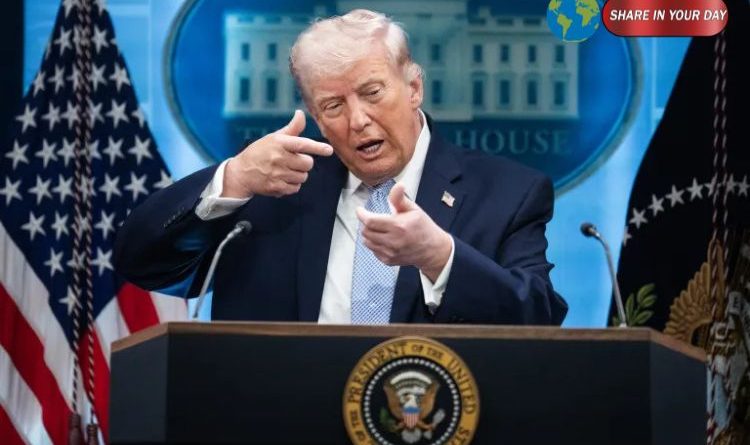
The term “TACO trade” refers to a pattern where U.S. President Donald Trump makes aggressive political or economic threats, markets react negatively, and then he backs down—triggering a sharp rebound.
As global tensions rise, especially around Iran and the Strait of Hormuz, this pattern has become even more visible. Investors are now actively positioning themselves to benefit from it.
What Is the TACO Trade?
At its core, the TACO trade is based on a simple cycle:
- A strong or aggressive policy announcement
- Market panic or uncertainty
- A sudden policy reversal or softening
- A rapid recovery in stocks and risk assets
This sequence has appeared multiple times in recent years. However, during the latest geopolitical tensions, it has become more pronounced.
Initially, the term was used humorously among traders. However, as patterns repeated, analysts began treating it as a legitimate trading framework.
Why the TACO Trade Is Gaining Momentum
The current geopolitical environment has amplified the effectiveness of the TACO trade. In particular, the Iran conflict has created extreme volatility in both oil and equity markets.
When tensions escalated, markets reacted sharply:
- Oil prices surged due to supply fears
- Stocks dropped as uncertainty increased
- Investors rushed toward safe-haven assets
However, when the situation de-escalated through a ceasefire, markets quickly reversed:
- Oil prices fell significantly
- Stocks rallied across sectors
- Investor confidence returned
This sharp reversal created ideal conditions for traders who anticipated the shift.
The Role of the Strait of Hormuz
One of the key drivers behind recent market movements is the Strait of Hormuz. This narrow waterway is one of the most critical oil transit routes in the world.
Any disruption to this route can cause:
- Major oil supply shortages
- Global price spikes
- Increased inflation concerns
During the recent crisis, fears of a blockade pushed oil prices higher. However, once tensions eased, those fears disappeared almost overnight.
This rapid change is exactly what the TACO trade relies on.
Why Investors Believe the Pattern Works
Analysts suggest that the TACO trade works because of a perceived pattern in decision-making.
The theory is that strong rhetoric is often used as leverage. However, when markets react negatively, there is pressure to stabilize the situation.
As a result:
- Policies may soften
- Negotiations may begin
- Extreme actions are avoided
This creates a predictable cycle that traders can exploit.
Moreover, markets tend to react faster than political decisions. This gives experienced investors an opportunity to act before the full reversal happens.
Tech Stocks: The Biggest Winners
One of the most notable outcomes of the TACO trade is the strong performance of technology stocks.
Tech companies are particularly sensitive to:
- Interest rates
- Global stability
- Investor sentiment
When uncertainty rises, tech stocks often fall quickly. However, when confidence returns, they rebound even faster.
This makes them ideal targets for traders using the TACO strategy.
In recent market movements, tech stocks led the recovery, outperforming many traditional sectors.
From Joke to Real Strategy
The transformation of the TACO trade from a joke to a serious strategy highlights how modern markets operate.
In today’s environment:
- Sentiment can shift rapidly
- News cycles drive market reactions
- Political decisions have immediate financial impact
Traders are increasingly using behavioral patterns, rather than just economic data, to guide their decisions.
This shift reflects a broader change in how markets function in the digital age.
Risks of the TACO Trade
Despite its growing popularity, the TACO trade carries significant risks.
The biggest concern is unpredictability. While patterns may appear consistent, they are not guaranteed.
For example:
- A conflict could escalate beyond control
- A policy reversal may not happen
- Markets could react differently than expected
Geopolitical events, in particular, are highly complex. Unlike trade disputes or tariffs, military conflicts involve multiple actors and unpredictable outcomes.
This means the TACO trade could fail under extreme conditions.
The “Soft TACO” Theory
Some analysts have introduced a variation known as the “Soft TACO” theory.
This version suggests that while reversals still happen, they come after significant damage has already occurred.
In this scenario:
- Markets may recover
- But the economic or geopolitical consequences remain
For example, even if oil prices fall after a ceasefire, the disruption may still impact global supply chains.
This adds another layer of complexity to the strategy.
How Global Markets Are Reacting
The influence of the TACO trade is now visible across multiple markets:
Stocks
Equity markets have shown strong rebounds following periods of tension. Investors are increasingly buying during dips.
Oil
Oil prices have become highly volatile, reacting quickly to geopolitical headlines.
Currencies
Safe-haven currencies rise during uncertainty but weaken as confidence returns.
Bonds
Government bonds see increased demand during panic, followed by sell-offs during recovery.
This interconnected reaction highlights the global impact of the strategy.
Long-Term Implications for Investors
The rise of the TACO trade raises important questions about the future of investing.
On one hand, it offers opportunities:
- Short-term trading gains
- Strategic entry points
- Improved market timing
On the other hand, it introduces risks:
- Overreliance on political behavior
- Increased market volatility
- Potential for sudden losses
Investors must balance these factors carefully.
What This Means for 2026 Markets
Looking ahead, the TACO trade could continue to shape market behavior.
Several factors will determine its effectiveness:
- Stability in global politics
- Future policy decisions
- Market sensitivity to news
If the pattern continues, traders may increasingly rely on it. However, if conditions change, the strategy could quickly lose relevance.
This makes adaptability essential.
Final Thoughts
The TACO trade represents a unique intersection of politics and finance. It shows how leadership decisions can directly influence global markets.
While the strategy has proven effective in recent situations, it is not without risk. Markets are complex, and patterns do not always repeat.
For now, the TACO trade remains a powerful concept—one that investors cannot afford to ignore.
However, success depends on careful analysis, timing, and an understanding of the broader geopolitical landscape.
As 2026 unfolds, one thing is clear: market behavior is no longer driven solely by economic fundamentals. Instead, it is increasingly shaped by perception, reaction, and the unpredictable nature of global events.