Gas Price Surge Drives US Inflation to 3.3% High
The latest data on gas price surge US inflation reveals a sharp and concerning shift in the American economy, as rising fuel costs push consumer prices to their highest level in years.
In March 2026, U.S. inflation surged to 3.3% year-over-year, marking the steepest increase in nearly two years. The spike was largely driven by an unprecedented jump in gasoline prices, which has rippled across multiple sectors of the economy.
This sudden rise highlights how deeply energy costs influence overall economic stability—and why policymakers, businesses, and households are bracing for continued volatility.
Record Gas Price Surge Shocks the Economy
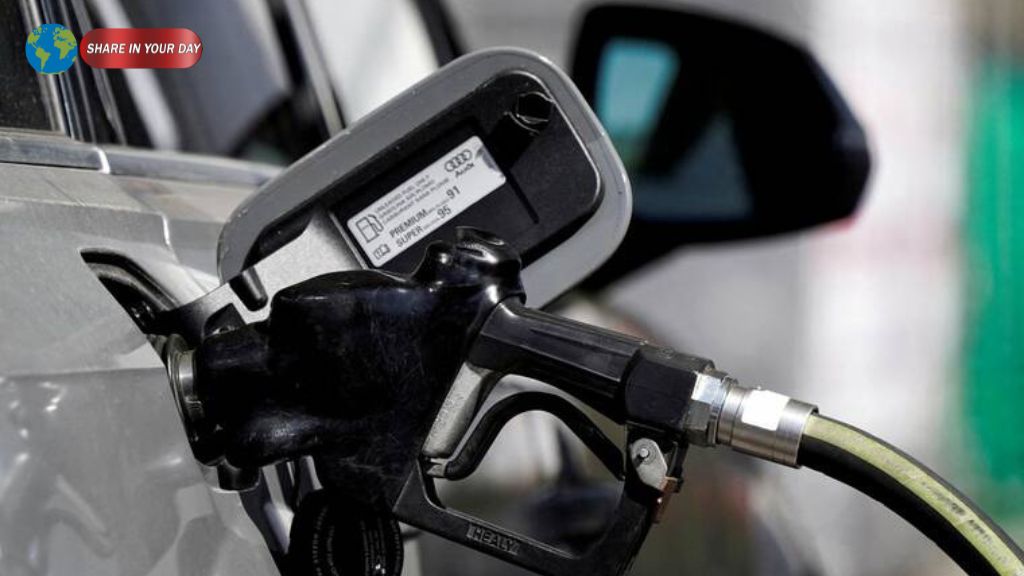
At the core of the gas price surge US inflation trend is a historic increase in fuel costs. Gasoline prices rose by approximately 21.2% in March alone, the largest monthly jump on record.
This surge accounted for nearly three-quarters of the total increase in the Consumer Price Index (CPI), underscoring the outsized role energy plays in inflation calculations. total increase in the Consumer Price Index (CPI), under
Diesel prices also climbed sharply—rising over 30%—further intensifying cost pressures across industries that rely heavily on transportation and logistics.
The national average gas price climbed above $4 per gallon, a level not seen in years, placing additional strain on American households.
Iran Conflict and Oil Supply Disruption
A key driver behind the gas price surge US inflation is the ongoing geopolitical conflict involving Iran. The war has disrupted global oil supplies, particularly through the strategically vital Strait of Hormuz.
This narrow waterway is responsible for a significant portion of global oil shipments, and its disruption has caused one of the largest energy supply shocks in modern history.
As a result:
- Global oil prices surged above $100 per barrel
- Supply chains experienced major disruptions
- Energy markets became highly volatile
The crisis has been described as the largest oil supply disruption since the 1970s energy crisis, amplifying fears of prolonged inflation and potential recession.
Inflation Impact Spreads Across the Economy
While energy costs are the primary driver, the gas price surge US inflation is beginning to affect other sectors.
Transportation and Travel
Airline fares have already started rising due to higher jet fuel costs. Logistics companies are also increasing prices, passing on higher diesel costs to consumers.
Consumer Goods
Goods transported by trucks—such as food, clothing, and household items—are expected to become more expensive in the coming months.
Food Prices
Although grocery prices have not yet surged significantly, economists warn that higher transportation and fertilizer costs will soon push food prices upward.
Core Inflation Remains Moderate—for Now
Interestingly, core inflation—which excludes volatile food and energy prices—remains relatively stable at around 2.6%.
However, experts caution that this stability may be temporary. As energy costs continue to filter through the economy, core inflation is expected to rise in the coming months.
This delayed effect is typical during energy shocks, where the initial impact is concentrated in fuel prices before spreading to other sectors.
Federal Reserve Faces Policy Dilemma
The gas price surge US inflation presents a significant challenge for the Federal Reserve.
At the beginning of 2026, policymakers were considering interest rate cuts to support economic growth. However, the recent inflation spike has complicated those plans.
Key concerns include:
- Inflation remaining above the Fed’s 2% target
- Risk of further price increases
- Potential need for interest rate hikes instead of cuts
Some economists now believe the Fed may delay rate cuts entirely or even consider tightening monetary policy if inflation continues to rise.
Consumer Confidence Hits Record Lows
Rising fuel costs are not just an economic issue—they are also a psychological one.
Consumer confidence has dropped sharply, with many Americans expressing concern about the rising cost of living. Surveys show widespread anxiety about:
- Higher transportation costs
- Reduced disposable income
- Future economic uncertainty
The visible nature of gas prices—displayed prominently at stations—makes them a powerful driver of public sentiment.
Broader Economic Risks Emerge
The gas price surge US inflation raises several broader risks for the U.S. economy:
Slower Economic Growth
Higher fuel costs reduce consumer spending, as households allocate more of their budgets to essential expenses like transportation.
Risk of Stagflation
If inflation remains high while economic growth slows, the U.S. could face stagflation—a difficult economic scenario not seen in decades.
Potential Recession
Historically, major energy price shocks have often preceded economic downturns.
Economists warn that if the current crisis persists, it could have long-term consequences for both the U.S. and global economies.
Global Ripple Effects
The impact of the gas price surge US inflation extends beyond the United States.
Countries around the world are experiencing similar challenges due to rising energy costs. The global nature of oil markets means that disruptions in one region quickly affect others.
For example:
- European countries are facing fuel shortages and protests
- Asian economies are adjusting energy policies
- Global trade costs are increasing
These ripple effects highlight the interconnected nature of the modern global economy.
What Happens Next?
Looking ahead, several scenarios could shape the future of inflation:
1. De-escalation of Conflict
If tensions ease and oil supplies stabilize, gas prices could fall, bringing inflation down.
2. Prolonged Conflict
Continued disruption could keep energy prices high, leading to sustained inflation.
3. Policy Intervention
Governments may release strategic oil reserves or implement measures to stabilize prices.
Each of these outcomes carries significant implications for consumers and policymakers alike.
Conclusion
The latest gas price surge US inflation data underscores the powerful role energy costs play in shaping the economy.
With gasoline prices rising at record levels and inflation climbing to 3.3%, the United States is facing a critical economic moment. The ripple effects are already being felt across industries, households, and financial markets.
While core inflation remains relatively stable for now, the broader outlook remains uncertain. Much will depend on how the geopolitical situation evolves and how policymakers respond.
For consumers, the immediate reality is clear: higher fuel costs are here—and they are reshaping the economic landscape in real time.