Tribally Owned Gas Stations Cheaper Fuel as Prices Surge
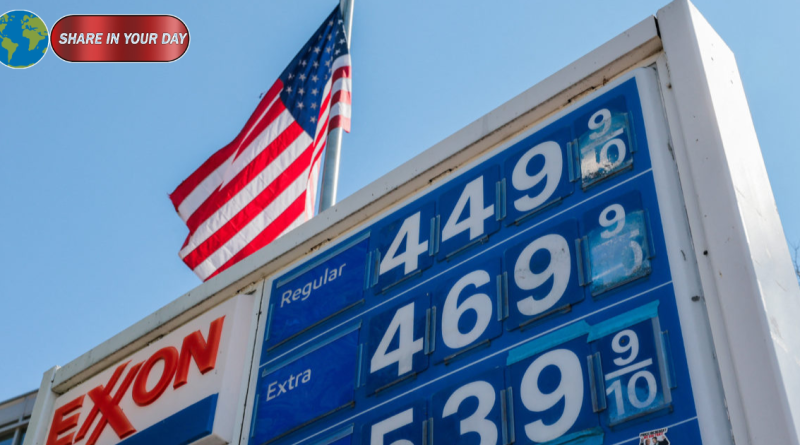
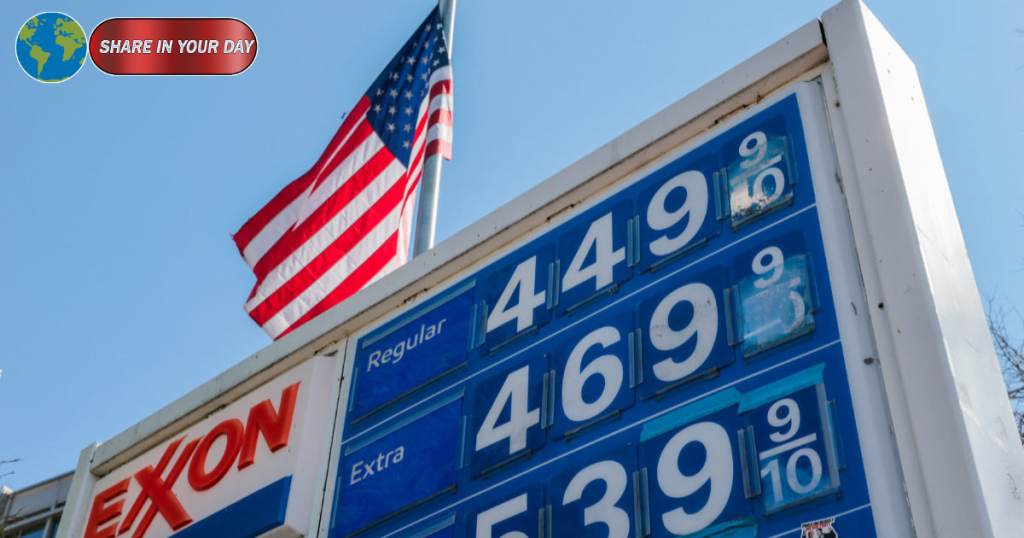
The rise in global tensions has triggered a sharp increase in fuel costs, but tribally owned gas stations cheaper fuel options are emerging as a critical relief for drivers across the United States. As gasoline prices climb due to the ongoing Iran war, many consumers are turning to Native American reservations, where fuel is often significantly less expensive.
What might seem like a hidden loophole is actually rooted in long-standing legal and economic frameworks. These tribally operated stations are not just offering lower prices—they are reshaping how and where Americans buy fuel during a time of economic pressure.
Why Gas Prices Are Rising Rapidly
Fuel prices across the U.S. have surged dramatically since the Iran conflict escalated earlier this year. According to industry data, the national average for gasoline has jumped by more than $1 per gallon, reaching around $4.15.
This increase is largely driven by geopolitical instability, which affects global oil supply chains. When tensions rise in key oil-producing regions, markets react quickly—pushing prices higher for consumers worldwide.
Economists warn that these increases may continue, adding pressure to inflation and household budgets. For many Americans, filling up a tank has become a significant financial burden.
The Unexpected Solution: Tribal Gas Stations
Amid this surge, tribally owned gas stations have become an increasingly popular alternative. Across states such as Washington, California, New Mexico, and New York, drivers are discovering that fuel on tribal land can cost significantly less than nearby stations.
In one example, a driver near Seattle paid about $4.84 per gallon at a station on the Tulalip Reservation—roughly 75 cents cheaper than prices closer to home.
Similar savings have been reported nationwide:
- Around 60 cents cheaper in parts of California
- Nearly $3.79 per gallon in New Mexico
- About 50 cents less in New York tribal territories
These differences can add up quickly, especially for commuters and long-distance drivers.
The Key Factor: Tax Advantages
The main reason behind tribally owned gas stations cheaper fuel lies in tax policy.
Native American tribes are generally exempt from state fuel taxes when selling gasoline on their land. While they still pay federal taxes, avoiding state taxes—which can be substantial—allows them to offer lower prices to consumers.
This legal framework has been upheld for decades. Courts have consistently ruled that states cannot impose taxes on tribes within their own territories, reinforcing tribal sovereignty.
Fuel tax rates vary widely across the U.S., ranging from as low as 9 cents per gallon to as high as 71 cents. This variation creates a significant pricing advantage for tribal stations in high-tax states.
A Growing Network of Affordable Fuel
There are nearly 500 tribally owned convenience stores with gas stations operating across the United States.
These stations are often located along major travel routes, making them accessible to a wide range of drivers. States with the highest concentration include:
- California
- Oklahoma
- Washington
- New Mexico
- Arizona
- Michigan
- New York
For many drivers, mobile apps like GasBuddy are making it easier than ever to locate these cheaper options.
More Than Just Cheap Gas
While lower fuel prices attract customers, tribal gas stations are part of a broader economic strategy.
Revenue generated from these businesses is reinvested into tribal communities. Funds are used to support essential services such as:
- Healthcare
- Education
- Housing
- Infrastructure
- Public safety
In many cases, these stations also serve as vital retail hubs—especially in rural areas where access to grocery stores and basic goods may be limited.
Experts note that these locations often operate in “food deserts,” providing not just fuel but also affordable food and household supplies.
The Role of Casinos and “Gasinos”
Another interesting aspect of tribal gas stations is their connection to other businesses.
Many are located near tribal casinos, creating integrated economic ecosystems. Some even feature small gaming areas, sometimes referred to as “gasinos.”
These hybrid spaces attract a steady flow of customers, boosting both fuel sales and other revenue streams. Additional services may include:
- Smoke shops
- Car washes
- Truck stop amenities
- Drive-through retail
This diversification helps tribes maximize income while offering convenience to customers.
Consumer Behavior Is Changing
As fuel prices rise, consumer habits are shifting.
Drivers are increasingly willing to travel longer distances to find cheaper gas. In some cases, people drive 20–30 minutes out of their way to save money at tribal stations.
This behavior reflects a broader trend: consumers are becoming more price-sensitive and resourceful. With the help of mobile apps and online tools, finding the lowest fuel price has become easier than ever.
Economic Impact Beyond Savings
The benefits of tribally owned gas stations extend beyond individual savings.
By choosing to fill up on tribal land, consumers are also supporting Indigenous economies. Many customers express loyalty not just because of the price, but because of the positive community impact.
Revenue from these stations helps fund critical services and improve living conditions within tribal communities. This creates a cycle where consumer spending directly contributes to social and economic development.
Legal Complexity Behind the Scenes
Despite their advantages, tribal gas stations operate within a complex legal landscape.
While tribes are generally exempt from state taxes, specific rules can vary depending on agreements between states and tribal governments. Court decisions have also shaped how fuel taxes are applied in different situations.
For example, certain rulings allow states to tax fuel before it reaches tribal land, depending on how and where the transaction occurs. These nuances make the system highly intricate.
Nevertheless, the overarching principle of tribal sovereignty remains a cornerstone of these arrangements.
Will This Trend Continue?
With fuel prices expected to remain volatile, tribally owned gas stations are likely to play an increasingly important role.
As geopolitical tensions persist, consumers will continue seeking ways to reduce costs. Tribal stations offer a reliable and accessible option—especially in regions with high state taxes.
Experts suggest that demand for these stations could grow further, potentially leading to expansion and increased visibility nationwide.
Final Thoughts
The rise of tribally owned gas stations cheaper fuel options highlights a powerful intersection of economics, law, and community development.
At a time when global conflicts are driving up costs, these stations provide a practical solution for everyday consumers. More importantly, they demonstrate how local systems can offer resilience in the face of global challenges.
For drivers looking to save money—and support Indigenous communities—tribal gas stations are becoming an increasingly attractive choice.