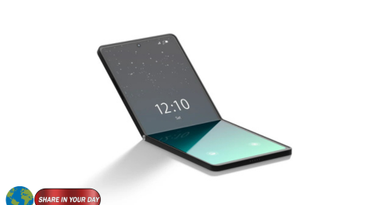
Galaxy Upgrade Decision: What Samsung Just Confirmed
The Galaxy upgrade decision facing millions of Samsung users has suddenly become more urgent. In a newly confirmed update, Samsung has introduced a major change that could reshape how Galaxy devices handle privacy, AI features, and long-term usability.
This is not just another routine Android update. Instead, it presents users with a clear choice—one that could affect how their devices function moving forward. According to a recent report from Forbes, Galaxy owners must now actively decide whether to accept or limit a new upgrade tied closely to artificial intelligence and data processing.
A Turning Point for Galaxy Users
Samsung’s latest move revolves around its expanding Galaxy AI ecosystem. While AI-powered features promise smarter performance and more personalization, they also require deeper access to user data.
This is where the Galaxy upgrade decision becomes critical.
Users are no longer passively receiving updates. Instead, they are being asked to choose how much of this AI functionality they want enabled on their devices. This includes features that may rely on cloud processing, which could involve sending data off-device for analysis.
The company has effectively shifted responsibility onto users—making them active participants in how their smartphones evolve.
Why This Upgrade Is Different
Unlike previous updates tied to Android or Samsung’s One UI interface, this change is not purely technical. It introduces a strategic trade-off between convenience and privacy.
Key Differences Include:
- AI Integration at Core Level
The update embeds AI deeply into everyday functions such as messaging, photography, and search. - Cloud vs On-Device Processing
Users must decide whether to allow cloud-based AI processing or restrict it to local device operations. - User Consent Becomes Mandatory
This is no longer optional in the background—users must explicitly choose their preference.
According to the report, this marks a significant shift in how smartphone ecosystems operate, especially within the Android landscape.
The Privacy Trade-Off Explained
At the heart of the Galaxy upgrade decision is a simple but important question:
Do you prioritize smarter features or stronger privacy?
If users opt into full AI functionality, they gain access to enhanced tools such as:
- Real-time language translation
- Advanced photo editing
- Context-aware suggestions
However, these features may rely on cloud servers, meaning some data could be processed externally.
On the other hand, limiting AI access keeps more data on the device, reducing exposure but also restricting functionality.
This trade-off reflects a broader industry trend, where companies increasingly balance innovation with user trust.
Samsung’s Strategy Behind the Move
Samsung’s decision is not happening in isolation. It aligns with a wider push across the tech industry to integrate AI into consumer devices.
Competitors like Apple and Google are also investing heavily in AI-driven ecosystems. However, Samsung’s approach stands out because it explicitly forces users to choose.
This strategy serves multiple purposes:
- Transparency: Making users aware of how their data is used
- Compliance: Aligning with global privacy regulations
- Trust Building: Giving users control over their experience
Still, it also introduces complexity. Not all users may fully understand the implications of their choices, raising concerns about informed consent.
What This Means for Existing Galaxy Devices
The Galaxy upgrade decision affects a wide range of devices, not just the latest models. Millions of Galaxy smartphones already in use will receive this update as part of ongoing software support.
This includes devices running newer versions of One UI, Samsung’s custom Android interface.
For many users, the decision will appear during a system update prompt. At that moment, they will need to:
- Accept full AI integration
- Limit AI features to on-device processing
- Potentially revisit settings later
The key point is that ignoring the decision may not be an option. Users will likely need to engage with the choice before proceeding.
Risks and Concerns Raised by Experts
Cybersecurity analysts have highlighted several concerns tied to this update.
1. Data Handling Transparency
Users may not fully understand what data is being processed or where it is stored.
2. Default Settings Influence
Even with choice, default options could steer users toward less private configurations.
3. Long-Term Implications
Once AI features are enabled, reversing decisions may not fully undo data exposure.
These concerns underline why the Galaxy upgrade decision is being treated as a major moment for smartphone users.
Benefits That Could Drive Adoption
Despite the concerns, there are strong incentives for users to accept the upgrade.
Enhanced User Experience
AI can streamline daily tasks, making devices more intuitive and efficient.
Competitive Features
Samsung aims to match or exceed capabilities offered by competitors.
Future-Proofing Devices
Enabling AI features may ensure compatibility with upcoming services and updates.
For many users, these benefits could outweigh privacy concerns—especially if Samsung continues to refine transparency and controls.
How to Make the Right Galaxy Upgrade Decision
Choosing the best option depends on individual priorities. Here’s a simple framework:
Choose Full AI Features If:
- You value convenience and automation
- You frequently use advanced smartphone tools
- You are comfortable with cloud-based services
Limit AI Features If:
- You prioritize data privacy
- You prefer local processing
- You want tighter control over your information
Ultimately, there is no one-size-fits-all answer. The Galaxy upgrade decision is deeply personal and reflects how each user balances innovation with security.
The Bigger Picture: A Shift in Smartphone Control
This development signals a broader change in the tech industry.
Smartphones are no longer just tools—they are evolving into intelligent systems that require user input at a deeper level. By introducing this decision point, Samsung is effectively redefining the relationship between users and their devices.
Instead of silent updates, we are entering an era of interactive upgrades, where users must actively shape their digital experience.
Conclusion: A Defining Moment for Galaxy Users
The Galaxy upgrade decision is more than just a software prompt—it represents a turning point in how technology interacts with personal data.
Samsung has made it clear: the future of smartphones will involve smarter features, but also more responsibility for users.
For Galaxy owners, the message is simple yet significant:
Your device, your choice—but choose carefully.