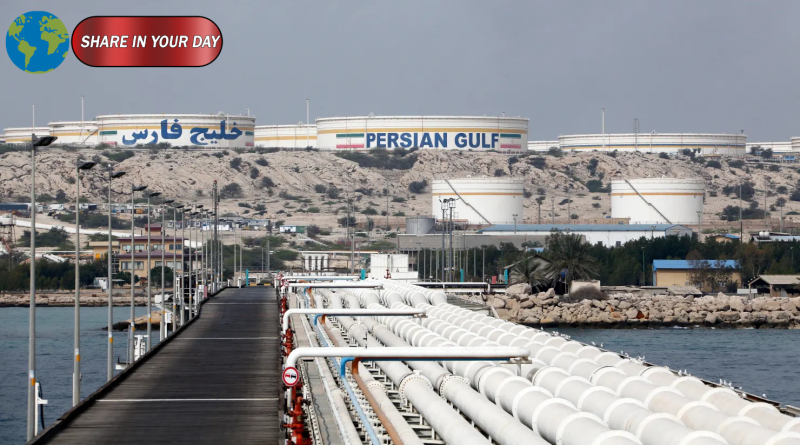
Oil Price Surge Iran War Sparks Global Market Shock
The oil price surge Iran war has once again rattled global markets, highlighting the fragile balance of energy supply chains. As tensions escalate around the Strait of Hormuz, one of the world’s most critical oil transit routes, investors, governments, and consumers are bracing for prolonged uncertainty.
Recent developments show how quickly oil prices can swing. After briefly declining on hopes of a ceasefire, crude prices rebounded sharply as geopolitical risks resurfaced. Analysts warn that the situation remains volatile, with potential consequences far beyond the energy sector.
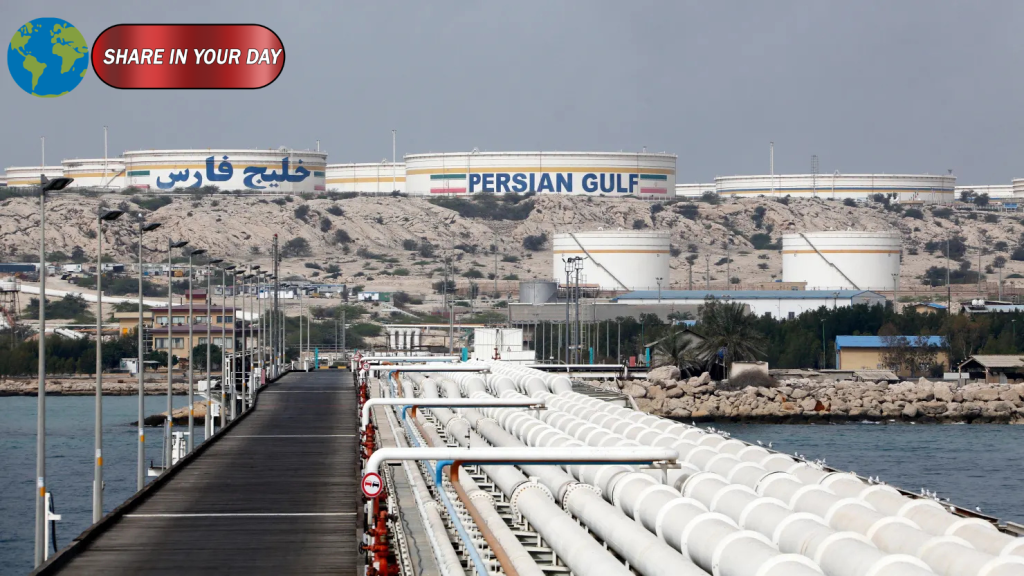
Why the Strait of Hormuz Matters So Much
The Strait of Hormuz is not just another shipping lane—it is the backbone of global oil logistics. Roughly 20% of the world’s oil supply passes through this narrow corridor, making it one of the most strategically important chokepoints on the planet.
When disruptions occur, the ripple effects are immediate. Tankers are delayed, insurance costs spike, and traders react instantly by pushing prices higher.
During the current conflict, military actions, including naval blockades and ship seizures, have severely limited traffic through the strait. This has triggered fears of supply shortages, even when temporary ceasefires are announced.
1. Oil Prices Swing Wildly Amid Uncertainty
One of the most visible impacts of the oil price surge Iran war is extreme volatility. Prices have not followed a steady upward trend—instead, they have fluctuated dramatically based on headlines.
For instance, oil prices dropped sharply when Iran signaled the strait would remain open. However, they quickly rebounded as tensions escalated again and shipping risks returned.
This unpredictability makes it difficult for businesses and governments to plan ahead. Energy markets are increasingly reacting not just to supply realities, but to geopolitical signals and speculation.
2. Global Energy Supply Faces Historic Disruption
Experts describe the current situation as one of the largest supply disruptions in modern history.
With restricted access to the Strait of Hormuz, millions of barrels of oil per day have been affected. Some Gulf producers have been forced to cut output, while others struggle to reroute shipments.
This disruption is not limited to oil. Liquefied natural gas (LNG) shipments have also been impacted, creating additional pressure on global energy markets.
Meanwhile, the International Energy Agency has already released emergency reserves to stabilize prices. Despite this, supply constraints remain a major concern.
3. Rising Fuel Costs Hit Consumers Worldwide
The oil price surge Iran war is not just a concern for traders—it directly impacts everyday consumers. Higher crude prices translate into increased costs for gasoline, transportation, and goods.
In the United States, gasoline prices have climbed above $4 per gallon in recent weeks, reflecting the global nature of oil markets.
Developing countries are even more vulnerable. Many rely heavily on imported fuel, meaning price spikes can lead to inflation, reduced economic growth, and increased poverty.
Additionally, industries such as aviation, shipping, and manufacturing face rising operational costs, which are often passed on to consumers.
4. Financial Markets React With Volatility
Stock markets around the world have responded unevenly to the crisis. While some indices rallied on hopes of de-escalation, others fell due to renewed tensions.
In Gulf markets, uncertainty surrounding the Strait of Hormuz has kept investor sentiment cautious.
At the same time, global investors are closely watching oil prices as a key indicator of economic stability. Sharp increases in energy costs can lead to inflation, forcing central banks to adjust interest rates.
Interestingly, some analysts believe markets have shown resilience, suggesting investors expect the conflict to remain contained rather than escalate into a broader war.
5. Long-Term Economic Risks Are Growing
Beyond immediate price spikes, the oil price surge Iran war poses serious long-term risks. Prolonged disruptions could reshape global trade patterns and energy strategies.
Countries may accelerate efforts to diversify energy sources, invest in renewables, or secure alternative supply routes. However, such transitions take time.
Economists warn that sustained high oil prices could slow global growth and increase inflation. In extreme scenarios, it could trigger a broader economic downturn.
The crisis has already drawn comparisons to past energy shocks, with some experts calling it the most significant disruption since the 1970s oil crisis.
Military Tensions Intensify the Crisis
Recent military actions have further complicated the situation. Reports indicate that the United States has enforced a naval blockade and even seized vessels attempting to bypass restrictions.
These moves have heightened tensions and increased the risk of further escalation.
Iran, in response, has warned it could fully close the Strait of Hormuz again, raising fears of a worst-case scenario where global oil flows are severely restricted.
Temporary Ceasefires Offer Little Stability
Although temporary ceasefires have been announced, they have done little to calm markets. Shipping companies remain cautious, and many tankers are reluctant to pass through the strait.
Even when the route is declared open, confidence does not immediately return. This hesitation alone can limit supply and keep prices elevated.
Analysts emphasize that lasting stability will require a comprehensive political agreement—not just short-term pauses in conflict.
What Happens Next?
The future of the oil price surge Iran war largely depends on diplomatic efforts. Negotiations between the United States and Iran are ongoing, but progress remains uncertain.
If talks succeed, oil prices could stabilize or even decline. However, any sign of escalation could push prices significantly higher.
Key factors to watch include:
- The status of the Strait of Hormuz
- Military activity in the region
- Progress in diplomatic negotiations
- Global demand trends
Conclusion: A Fragile Energy Future
The oil price surge Iran war underscores how interconnected and vulnerable the global energy system is. A single geopolitical flashpoint can disrupt supply chains, drive inflation, and shake financial markets worldwide.
While short-term fluctuations are expected, the broader implications could reshape the energy landscape for years to come. Governments, businesses, and consumers must now adapt to a new reality—one where geopolitical risks play an increasingly central role in determining energy prices.