Spirit Airlines Rescue Deal Sparks Major Industry Debate
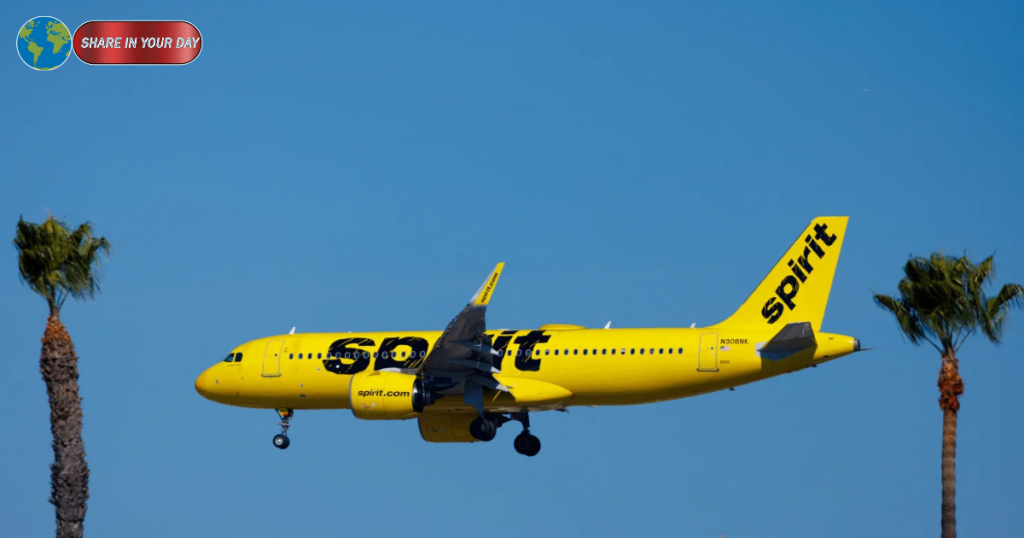
The Spirit Airlines rescue deal is quickly becoming one of the most talked-about developments in the global aviation industry in 2026. Reports indicate that the Trump administration is nearing a plan to provide up to $500 million in financial support to the struggling low-cost carrier, raising significant questions about government intervention, market fairness, and the future of budget airlines.
At the center of this unfolding story is a critical question: should governments step in to save individual companies, or should market forces be allowed to run their course?
A $500 Million Lifeline on the Table
According to multiple reports, the proposed Spirit Airlines rescue deal would involve the U.S. government lending up to $500 million to the airline. In exchange, the government could receive warrants—essentially giving it the option to take an ownership stake in the company.
While the deal has not been finalized, it represents a rare move: direct financial intervention aimed at saving a single airline rather than supporting the entire industry.
This type of arrangement could potentially make taxpayers partial stakeholders in Spirit Airlines if the company recovers.
Why Spirit Airlines Is in Trouble
To understand the urgency behind the Spirit Airlines rescue deal, it is important to look at the company’s financial struggles.
Spirit Airlines has faced a series of challenges over the past two years:
- Multiple bankruptcy filings since 2024
- Rising operational and leasing costs
- Weak demand in key travel segments
- Increased competition from larger carriers
Perhaps most significantly, soaring fuel prices have dealt a severe blow to the airline’s business model. Jet fuel costs have surged dramatically due to geopolitical tensions, particularly disruptions linked to conflict involving Iran.
For a low-cost airline that relies on razor-thin margins, such cost increases can be devastating.
The Impact of Rising Fuel Costs
Fuel is one of the largest expenses for any airline, and in 2026, it has become a defining challenge for the entire aviation sector.
Spirit had originally based its recovery strategy on fuel prices around $2.24 per gallon. However, actual prices have surged to more than $4 per gallon—nearly double initial projections.
This unexpected spike has disrupted financial planning and pushed the airline closer to the brink of collapse.
As a result, Spirit has been forced to:
- Shrink its fleet significantly
- Cut routes and operations
- Reevaluate pricing strategies
Despite these efforts, the airline continues to struggle to stabilize its finances.
Government Intervention: Rare but Not Unprecedented
The Spirit Airlines rescue deal highlights a broader debate about the role of government in private markets.
Historically, U.S. governments have intervened in the airline industry during major crises—such as after the September 11 attacks or during the COVID-19 pandemic. However, those interventions were industry-wide, not targeted at a single company.
This makes the current situation unusual.
If finalized, the deal would mark one of the few times the federal government steps in to support an individual airline, potentially setting a precedent for future cases.
The Role of Politics in the Rescue Plan
Politics is also playing a key role in shaping the narrative around the Spirit Airlines rescue deal.
Officials have pointed to past policy decisions—particularly the blocked merger between Spirit Airlines and JetBlue—as a contributing factor to the company’s current financial struggles.
That merger, valued at approximately $3.8 billion, was halted on antitrust grounds, with regulators arguing it would reduce competition and harm consumers.
Now, critics argue that blocking the merger may have inadvertently weakened Spirit’s ability to survive independently.
Market Reaction and Industry Shockwaves
News of the potential rescue deal has already sent ripples across the airline industry.
Shares of other low-cost carriers reportedly declined following the announcement, reflecting concerns about market distortion and unequal competition.
Competitors are likely to question why one airline receives government support while others face the same economic pressures without assistance.
This raises concerns about:
- Fair competition
- Market integrity
- Long-term industry stability
Jobs and Economic Stakes
One of the strongest arguments in favor of the Spirit Airlines rescue deal is the potential impact on jobs.
Spirit Airlines employs approximately 14,000 workers, and a collapse could have significant economic consequences.
Beyond direct employment, the airline supports a broader ecosystem that includes:
- Airports
- Maintenance providers
- Tourism sectors
- Regional economies
Saving the airline could help preserve these jobs and prevent broader economic disruption.
A Shift Toward Government Ownership?
Another major implication of the rescue plan is the possibility of partial government ownership.
By accepting warrants in exchange for financial assistance, the government could eventually hold a stake in Spirit Airlines.
This raises important questions:
- Should governments own shares in private companies?
- How would this affect decision-making and strategy?
- Could it lead to political influence over business operations?
While such arrangements have occurred in other industries, they remain controversial.
Critics Warn of Long-Term Risks
Not everyone supports the Spirit Airlines rescue deal.
Critics argue that government intervention could:
- Distort competition
- Encourage risky behavior by companies
- Create dependency on public funds
There are also concerns that once the government becomes a stakeholder, it may face pressure to continue supporting the company in the future.
This could lead to a cycle of repeated interventions, potentially undermining free-market principles.
What Happens Next?
As negotiations continue, the future of the Spirit Airlines rescue deal remains uncertain.
Key factors to watch include:
- Final terms of the agreement
- Government stake size and conditions
- Reaction from competitors and regulators
- Long-term restructuring plans for Spirit
The outcome will not only determine the fate of Spirit Airlines but could also shape the future of government involvement in the aviation industry.
A Defining Moment for the Airline Industry
The Spirit Airlines rescue deal represents a pivotal moment for the global aviation sector.
It highlights the fragile nature of low-cost airline models in times of economic volatility and underscores the challenges posed by rising costs and geopolitical instability.
At the same time, it raises fundamental questions about the balance between market forces and government intervention.
Conclusion: More Than Just a Bailout
In the end, the Spirit Airlines rescue deal is about more than saving one airline.
It is about:
- The future of budget travel
- The role of government in business
- The resilience of the aviation industry
Whether the deal moves forward or not, its impact will be felt far beyond Spirit Airlines.
For passengers, employees, and industry stakeholders alike, this is a story that could reshape the skies for years to come.