Panama Canal Crisis: $4M Shipping Costs Shock Trade
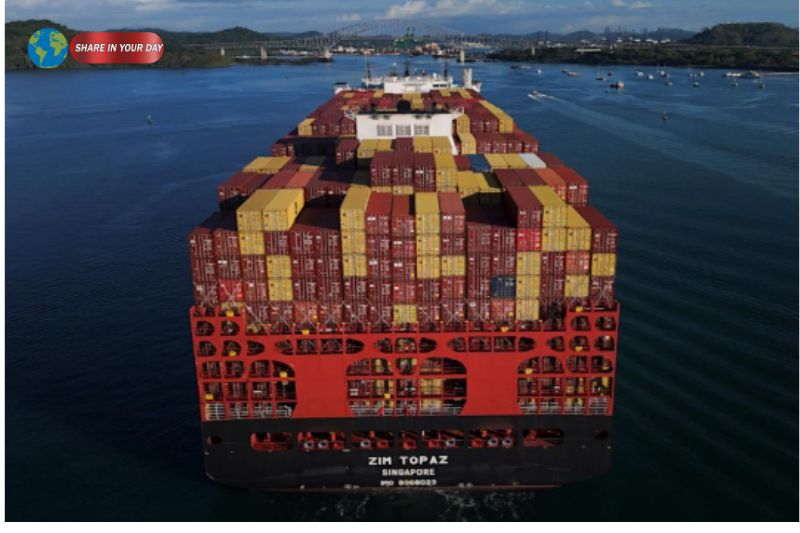
The unfolding Panama Canal shipping crisis is sending shockwaves through global trade, as companies are reportedly paying up to $4 million per vessel to reroute shipments through the critical waterway.
The surge in costs comes amid escalating geopolitical tensions in the Middle East, particularly the effective closure of the Strait of Hormuz—one of the world’s most important energy transit corridors. As a result, shipping companies are scrambling to find alternative routes, placing unprecedented pressure on the Panama Canal.
A Global Trade Bottleneck Emerges
The Panama Canal shipping crisis has quickly become one of the most significant disruptions to international logistics in recent years.
With the Strait of Hormuz effectively blocked, vessels that would typically pass through the Persian Gulf are now being redirected across longer and more expensive routes. The Panama Canal has emerged as a key alternative, linking the Atlantic and Pacific Oceans and offering a crucial shortcut for global shipping.
However, this sudden surge in demand has created a bottleneck. Shipping slots in the canal are limited, and competition for passage has intensified dramatically.
According to reports, some companies are willing to pay millions of dollars just to secure priority access, highlighting the severity of the crisis.
Why Shipping Costs Are Skyrocketing
At the center of the Panama Canal shipping crisis is a simple economic principle: supply and demand.
Limited Capacity
The Panama Canal can only handle a finite number of ships each day. With demand surging, available slots have become extremely scarce.
Urgency of Deliveries
Many shipments—especially energy supplies and essential goods—cannot afford delays. Companies are therefore willing to pay premium prices to ensure timely delivery.
Longer Alternative Routes
Without access to traditional routes, ships must travel longer distances, increasing fuel costs, labor expenses, and overall operational complexity.
These combined factors have pushed costs to unprecedented levels, with some vessels reportedly paying up to $4 million for canal transit.
The Role of the Strait of Hormuz
The Panama Canal shipping crisis cannot be understood without examining the situation in the Strait of Hormuz.
This narrow waterway is one of the most strategically important shipping routes in the world, particularly for oil and gas exports. When disruptions occur here, the ripple effects are felt across the entire global economy.
The current crisis has effectively shut down normal traffic through the strait, forcing ships to seek alternative routes. This has dramatically increased reliance on other key passages, including the Panama Canal.
Impact on Global Trade
The Panama Canal shipping crisis is already having wide-ranging consequences for global trade.
Rising Prices
Higher shipping costs are being passed on to consumers, leading to increased prices for goods worldwide.
Supply Chain Delays
Congestion in the canal is causing delays, disrupting supply chains and affecting industries from manufacturing to retail.
Energy Market Volatility
With energy shipments rerouted, markets are experiencing increased volatility, further complicating the global economic outlook.
These effects are expected to intensify if the crisis continues.
Businesses Forced to Adapt
Companies are taking drastic measures to cope with the Panama Canal shipping crisis.
Some are:
- Rerouting shipments through alternative canals or around continents
- Increasing inventory levels to buffer against delays
- Negotiating long-term contracts for guaranteed canal access
Others are absorbing the higher costs in the short term, hoping the situation stabilizes before it significantly impacts their bottom line.
Strategic Importance of the Panama Canal
The Panama Canal shipping crisis highlights the canal’s critical role in global trade.
Opened in 1914, the canal revolutionized maritime transport by significantly reducing travel distances between major markets. Today, it handles a substantial portion of global shipping traffic.
In times of crisis, its importance becomes even more pronounced. However, the current situation also exposes its limitations, particularly its inability to handle sudden surges in demand.
A Perfect Storm of Challenges
The Panama Canal shipping crisis is not occurring in isolation. It is part of a broader set of challenges facing global trade.
These include:
- Geopolitical conflicts
- Climate-related disruptions
- Infrastructure constraints
Together, these factors are creating a “perfect storm” that is testing the resilience of global supply chains.
Long-Term Implications
If the Panama Canal shipping crisis persists, it could lead to lasting changes in how global trade operates.
Diversification of Routes
Companies may invest in alternative shipping routes to reduce dependence on key chokepoints.
Increased Costs
Higher baseline shipping costs could become the new normal.
Policy Changes
Governments may push for infrastructure upgrades and new trade agreements to mitigate future disruptions.
These changes could reshape the global economic landscape for years to come.
Can the Crisis Be Resolved?
The resolution of the Panama Canal shipping crisis largely depends on geopolitical developments, particularly in the Middle East.
If the Strait of Hormuz reopens, pressure on the Panama Canal is likely to ease. However, if tensions escalate, the situation could worsen, leading to even higher costs and greater disruption.
In the meantime, shipping companies and governments alike are closely monitoring the situation, preparing for a range of possible outcomes.
Conclusion: A Wake-Up Call for Global Trade
The Panama Canal shipping crisis serves as a stark reminder of the fragility of global supply chains.
What began as a regional geopolitical issue has quickly escalated into a worldwide economic challenge, affecting businesses, consumers, and governments alike.
As companies pay millions just to move goods across the globe, the crisis underscores the urgent need for more resilient and diversified trade systems.
Whether this moment leads to meaningful change remains to be seen—but one thing is clear: the world can no longer take smooth global trade for granted.