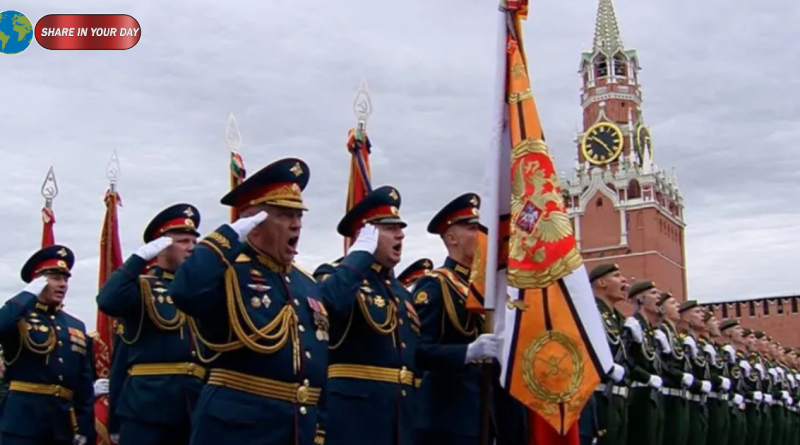
Russia Holds Scaled-Back Victory Day Parade as Ukraine War Overshadows Celebrations
Russia marked its annual Victory Day celebrations with a significantly reduced military parade in Moscow, reflecting the growing impact of the ongoing war in Ukraine and rising security concerns inside the country.
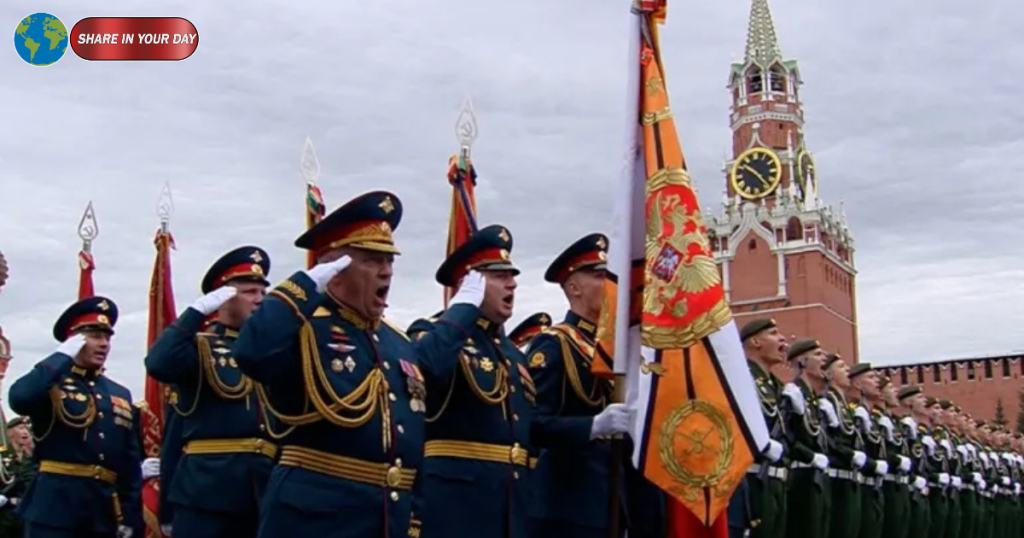
The Russia Victory Day parade, traditionally one of the Kremlin’s largest displays of military power, was notably smaller this year. Tanks and heavy military equipment were absent from Red Square for the first time in nearly two decades as authorities tightened security amid fears of Ukrainian drone attacks.
Russian President Vladimir Putin presided over the ceremony in Moscow on May 9, commemorating the Soviet Union’s victory over Nazi Germany in World War II. During his speech, Putin linked the historical victory against fascism to Russia’s current military campaign in Ukraine, continuing the Kremlin’s long-standing narrative surrounding the conflict.
Moscow Parade Was Dramatically Reduced
The annual Victory Day parade is one of Russia’s most important national events.
Normally, the ceremony features columns of tanks, missile launchers, armored vehicles, and large-scale air demonstrations moving through Red Square in central Moscow. However, the 2026 event looked noticeably different.
This year’s parade excluded tanks and major military hardware entirely. Instead, the Kremlin relied mainly on marching troops, military academies, ceremonial formations, and limited aerial displays.
Security concerns played a major role in the decision.
In the days leading up to the parade, Russia experienced multiple drone attacks linked to the Ukraine war. Airports around Moscow and southern Russia temporarily suspended operations due to security threats, while authorities also imposed mobile internet restrictions in some areas.
The scaled-back event highlighted how the conflict in Ukraine is increasingly affecting daily life and public events inside Russia itself.
Putin Uses Speech to Rally Support
During his address, Putin praised Russian troops involved in what the Kremlin still calls its “special military operation” in Ukraine.
“The great feat of the victorious generation inspires the soldiers carrying out the tasks of the special military operation today,” Putin said during the ceremony.
He also accused NATO of supporting aggression against Russia and framed the Ukraine conflict as part of a broader geopolitical struggle between Moscow and the West.
Victory Day remains deeply symbolic in Russia because of the Soviet Union’s immense sacrifices during World War II. Historians estimate the USSR lost approximately 27 million people during the conflict against Nazi Germany.
Over the past several years, the Kremlin has increasingly used the annual celebration to reinforce patriotic messaging and public support for the military.
Ukraine War Continues to Shape the Event
The ongoing war in Ukraine dominated the atmosphere surrounding the Russia Victory Day parade.
Ahead of the celebrations, both Russia and Ukraine accused each other of violating a temporary ceasefire linked to the commemorations. Moscow announced a short truce from May 8 to May 10, but fighting and drone attacks reportedly continued across multiple areas.
Russian officials warned foreign diplomats to leave Kyiv before the holiday due to fears of major escalation. Meanwhile, Ukrainian drone operations targeted several Russian regions in the days leading up to the parade.
The security situation forced Moscow to adopt extraordinary precautions.
According to multiple reports, authorities increased anti-drone defenses around the capital, tightened crowd control measures, and restricted communications infrastructure during the celebrations.
For many observers, the smaller parade became a symbol of the broader strain the war is placing on Russia’s military and political system.
Heavy Military Equipment Was Missing
One of the biggest talking points surrounding the parade was the absence of Russia’s signature military hardware.
In previous years, Red Square showcased advanced tanks, ballistic missile systems, armored personnel carriers, and other heavy equipment intended to demonstrate Russian military strength to both domestic and international audiences.
This year, however, those displays disappeared almost entirely.
Military analysts believe the decision reflects both practical and symbolic concerns.
Some experts argue Russia may be limiting large-scale equipment displays because many military resources are currently deployed in Ukraine. Others believe the Kremlin wanted to reduce the risk of drone attacks targeting expensive military assets during a globally televised event.
Instead of armored columns, the ceremony focused more heavily on marching personnel, military bands, and aerial flyovers.
International Attendance Was Limited
The event also featured a noticeably smaller international presence compared to previous years.
While some allied leaders and delegations attended parts of the commemorations, many major global leaders stayed away from Moscow amid ongoing tensions surrounding the Ukraine war.
Slovak Prime Minister Robert Fico reportedly attended a flower-laying ceremony near the Kremlin but did not fully participate in the parade itself.
Meanwhile, troops from North Korea were present during parts of the event, highlighting Moscow’s growing cooperation with Pyongyang since the start of the Ukraine conflict.
The changing list of attendees underscored Russia’s evolving diplomatic relationships as Western nations continue imposing sanctions and political isolation measures against Moscow.
Russians Still View Victory Day as Sacred
Despite the reduced scale, Victory Day remains one of the most emotional and important holidays in Russia.
For millions of Russians, May 9 is tied closely to family memories of World War II and the Soviet Union’s role in defeating Nazi Germany. Public commemorations, military ceremonies, concerts, and memorial events take place across the country each year.
Analysts say the Kremlin continues relying heavily on Victory Day symbolism to strengthen national unity during difficult political and economic conditions.
“It’s the main holiday of the year,” Crisis Group analyst Oleg Ignatov told Al Jazeera in comments published ahead of the parade.
Even with the scaled-back military display, large crowds still gathered in Moscow to watch the procession and participate in commemorative activities.
Russia Faces Growing Pressure
The reduced parade comes at a difficult moment for Russia.
The Ukraine war has now stretched deep into another year, placing growing pressure on the Russian economy, military resources, and domestic stability. Western sanctions continue affecting trade and investment, while military spending has risen sharply.
At the same time, Ukrainian drone strikes increasingly reach targets inside Russian territory, creating new security challenges for the Kremlin.
The scaled-back Russia Victory Day parade reflected those realities more clearly than any previous celebration since the conflict began.
While Putin attempted to project confidence during his speech, the smaller event revealed how profoundly the war has reshaped Russia’s political and military landscape.
External Links
Internal Link Suggestions
- /russia-ukraine-war
- /vladimir-putin-news
- /world-news
- /ukraine-drone-attacks
- /military-news