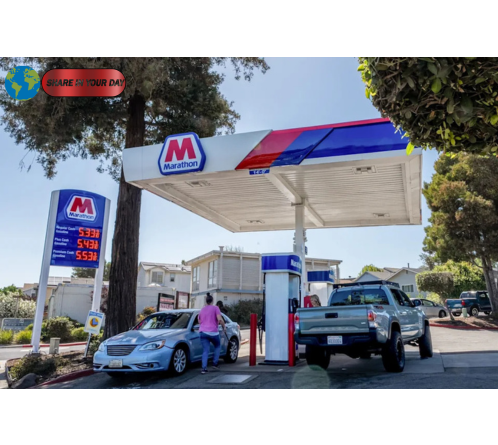
Trump Pressures Refiners as Gas Prices Surge in 2026
President Donald Trump is intensifying pressure on U.S. oil refiners to increase gasoline and diesel production as fuel prices climb, adding urgency to an administration effort to ease one of the most visible cost pressures facing American households.
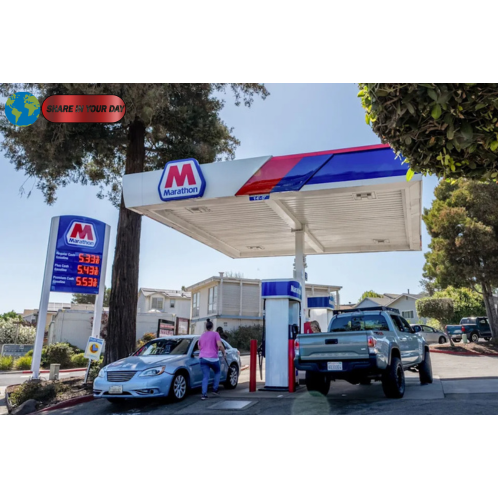
Trump met privately with roughly a dozen executives from the refining and fuel distribution industries at the White House on Tuesday, September 1, seeking ways to expand domestic refining capacity and bring pump prices lower. The meeting comes as gasoline prices have moved above $4 a gallon nationally and diesel prices have approached $6, according to figures cited in the Bloomberg report.
The push puts the refining industry at the center of Trump’s response to rising energy costs. It also creates a difficult balancing act for refiners, which are already operating under tight supply conditions while facing regulatory requirements, maintenance demands and uncertainty over future fuel demand.
For Trump, the stakes are particularly high with the November midterm elections approaching.
Trump Pressures Refiners to Increase Fuel Production
Trump made clear during the meeting that he wants refiners to produce more gasoline and diesel for the domestic market.
According to a White House official familiar with the discussion, the president asked industry executives how refining capacity could be increased. The conversation included possible regulatory changes, faster permitting and additional investments in refining infrastructure.
The administration’s objective is straightforward: increase the supply of refined fuel and reduce prices paid by consumers.
However, expanding refining capacity is not something that can happen overnight. Building a major refinery requires substantial capital, lengthy permitting processes and confidence that demand will remain strong enough for the investment to generate returns.
That reality makes Trump’s immediate demand challenging for an industry already operating close to its limits.
Recent reporting indicates that U.S. refineries have been running at exceptionally high utilization rates. The Financial Times reported that refinery utilization has remained above 95% for 12 consecutive weeks, highlighting how little spare capacity may be available in the short term.
As a result, simply telling refiners to produce more fuel may not immediately translate into substantially lower prices.
Why Gasoline Prices Are So High
The current fuel-price problem is not caused by a single factor.
Global oil markets have been disrupted by the war involving Iran, while crude prices have risen sharply. Brent crude has recently moved toward the $95-a-barrel level, increasing the cost of producing gasoline and diesel.
Refining capacity is another major constraint.
Crude oil must be processed into usable fuels before it can reach consumers. Even if crude supplies increase, limited refining capacity can prevent additional oil from quickly translating into more gasoline and diesel at filling stations.
This distinction is particularly important for Trump’s strategy.
The administration has emphasized increasing U.S. energy production and securing additional crude supplies, including through a major initiative involving Venezuelan oil. But additional crude production does not automatically solve a shortage of refining capacity.
U.S. Energy Secretary Chris Wright said Wednesday that planned investments could more than double Venezuela’s crude production over the next several years. He also acknowledged that refining capacity remains a key constraint on gasoline and diesel prices.
That means the administration is pursuing several energy strategies simultaneously: increasing crude supplies, expanding refining capacity and encouraging existing refiners to maximize production.
Refiners Push Back on Biofuel Requirements
While Trump urged refiners to increase production, industry executives also used the meeting to raise their own concerns.
One of the most contentious issues was the federal Renewable Fuel Standard.
The program requires refiners and fuel suppliers to blend renewable fuels, including corn-based ethanol and soy-based biodiesel, into the nation’s fuel supply.
Several executives argued that current biofuel blending requirements are increasing costs and ultimately contributing to higher prices at the pump, according to people familiar with the private discussion.
The industry has been particularly critical of record-high blending quotas established by the administration.
Some refiners contend that the targets are difficult to meet and create additional financial pressure at a time when fuel markets are already under strain.
This creates an unusual situation for the Trump administration.
The president wants refiners to increase fuel production and reduce prices, while some of the companies he is pressuring are asking the government to reduce regulatory burdens that they say make fuel more expensive.
Resolving that disagreement could become a major part of the administration’s energy strategy.
Major Refiners Join White House Meeting
The White House meeting brought together executives representing a broad portion of the U.S. refining industry.
Participants included representatives from independent fuel producers as well as major refiners such as Marathon Petroleum, PBF Energy and Valero Energy. Energy Secretary Chris Wright and Interior Secretary Doug Burgum also participated in the discussion.
The gathering reportedly lasted about an hour in the White House Cabinet Room before participants made a brief visit to the Oval Office.
The presence of senior executives underscores the administration’s concern about fuel prices and supply.
Trump has previously accused refiners of taking advantage of consumers and has called for scrutiny of their pricing practices. Reuters reported before the meeting that the president had urged companies to use their profits to help consumers and had called for a Justice Department investigation into possible price gouging.
Refiners, meanwhile, argue that the current market is influenced by a much broader set of factors, including crude oil costs, international supply disruptions, biofuel requirements and operating expenses.
Building New Refineries Is a Long-Term Challenge
One of Trump’s most ambitious goals is to expand America’s refining infrastructure.
But constructing new refineries is difficult.
The United States has not built a major new refinery since the late 1970s, and the number of operating refineries has declined substantially over the decades. High construction costs, environmental regulations and long permitting timelines have discouraged companies from making large investments in new facilities.
The growing popularity of electric vehicles also creates uncertainty about future gasoline demand.
The Wall Street Journal reported that major oil companies remain reluctant to commit to entirely new refinery projects despite currently attractive refining margins. Instead, companies are generally more interested in expanding, modernizing or reconfiguring existing facilities.
That distinction could become critical for Trump’s strategy.
Increasing output from existing facilities could potentially provide additional fuel more quickly than constructing a new refinery. However, even upgrades require significant investment and time.
The industry therefore faces a question of whether today’s fuel shortage is severe and persistent enough to justify billions of dollars in new infrastructure.
Diesel Prices Add Another Layer of Pressure
Gasoline is not the only problem.
Diesel prices have also surged, putting pressure on trucking companies, farmers, manufacturers and other businesses that depend heavily on diesel fuel.
The Financial Times reported that U.S. diesel prices have climbed toward $4.71 per gallon amid disruptions in global oil supplies. It also noted historically low stocks of diesel and heating oil, increasing concerns about further price spikes if hurricanes, refinery maintenance or additional geopolitical disruptions reduce supply.
Diesel prices are especially important because they affect much more than what consumers pay at gas stations.
Higher diesel costs can increase transportation expenses, raising the cost of moving food, construction materials and manufactured products.
That can feed into broader inflation.
For the Trump administration, controlling fuel prices is therefore not simply an energy-policy objective. It is also an economic and political priority.
The Venezuela Oil Strategy Faces Its Own Limits
The administration is also looking toward Venezuela as a potential source of additional crude oil.
Trump has promoted a major Venezuelan oil development plan as part of his broader strategy to increase global oil supplies and strengthen U.S. energy security.
The White House has provided additional details about a proposed partnership involving North American Blue Energy Partners and Venezuelan oil fields. The plan reportedly covers 17 oil fields containing significant reserves and involves a long-term investment program aimed at rebuilding Venezuela’s damaged energy infrastructure.
However, analysts caution that Venezuelan oil production cannot be increased dramatically overnight.
Years of underinvestment, infrastructure deterioration and operational problems have weakened the country’s oil industry.
Even if billions of dollars are invested, substantial increases in production could take years.
That makes Venezuelan crude a potentially important long-term component of Trump’s energy strategy, but not necessarily an immediate solution for Americans facing high gasoline prices today.
Can Trump Actually Lower Gas Prices Quickly?
This is the central question facing the administration.
Trump has several tools available, including regulatory changes, adjustments to biofuel requirements, support for refinery expansions and efforts to increase crude oil supplies.
But each option has limitations.
Relaxing regulations could reduce costs for refiners, but environmental and political concerns could create opposition.
Increasing refinery utilization could raise fuel output, but facilities already operating near maximum capacity have limited room to increase production.
Boosting crude supplies could help lower oil prices, but geopolitical conditions can quickly overwhelm additional production.
Building new refineries could create substantial long-term capacity, but construction would take years.
For consumers, meanwhile, the issue is immediate.
They are paying more today.
Midterm Elections Increase the Political Pressure
The timing of Trump’s campaign against high fuel prices is significant.
The November midterm elections are approaching, and gasoline prices are highly visible to voters. Unlike many economic indicators, consumers encounter fuel prices every time they visit a gas station.
That makes gasoline a particularly powerful political issue.
Trump campaigned heavily on reducing energy costs and promoting greater U.S. energy production. Rising fuel prices therefore create a direct challenge to one of the administration’s core economic promises.
The president has acknowledged the difficulty of predicting how quickly prices will fall. The situation has become more complicated because the war involving Iran has pushed global oil markets higher.
As a result, the White House is under pressure to demonstrate that its energy policies can produce tangible results.
What Happens Next for U.S. Fuel Markets?
The coming weeks could determine whether Trump’s pressure on refiners produces meaningful changes.
The administration is expected to examine regulatory options, permitting rules and biofuel requirements while continuing to push for higher domestic energy production.
Refiners will likely continue arguing that government policy is contributing to higher costs and that they need greater flexibility to respond to market conditions.
Meanwhile, global oil prices will remain a critical variable.
If geopolitical tensions ease and crude supplies recover, gasoline prices could decline without major changes to refining policy. If disruptions continue, however, even increased domestic production may not be enough to quickly reverse the price increases.
The refining industry is therefore caught between political demands for immediate relief and the economic realities of a complex global energy market.
A Difficult Test for Trump’s Energy Strategy
Trump’s meeting with refiners represents a significant escalation in the administration’s effort to bring down fuel prices.
The president wants refiners to produce more gasoline and diesel, while the companies are asking for changes to policies they say are making production more expensive.
At the same time, the administration is attempting to increase crude oil supplies, expand refining capacity and develop Venezuela’s energy sector.
The strategy could eventually increase fuel supplies and improve energy security. But the biggest challenge is timing.
Consumers need relief now, while many of the proposed solutions require months or years to deliver meaningful results.
For Trump, the pressure will continue as gasoline and diesel prices remain elevated. For refiners, the White House demands create a difficult choice between increasing investment, responding to political pressure and navigating a market already stretched by geopolitical uncertainty.
The outcome could have consequences well beyond the oil industry. If fuel prices remain high, transportation costs and broader inflation could stay elevated. If the administration succeeds in increasing supply and reducing pump prices, it could provide a significant economic and political boost.
For now, however, the message from the White House is clear: Trump pressures refiners to do more, and he wants American drivers to see the results at the pump.