Samsung Galaxy Watch 9 Review: 7 Powerful Upgrades
The Samsung Galaxy Watch 9 review reveals a smartwatch that delivers meaningful improvements without completely reinventing Samsung’s popular wearable formula. The latest model brings a faster processor, a larger battery, deeper artificial intelligence integration, and new health and fitness tools. However, some familiar weaknesses remain, particularly when it comes to real-world battery life.
For Samsung users upgrading from a much older smartwatch, the Galaxy Watch 9 could be an attractive option. The device combines a distinctive design with stronger performance and a growing collection of wellness features. Yet, owners of the Galaxy Watch 8 may struggle to find enough reasons to upgrade immediately.
After extended testing, the Galaxy Watch 9 appears to be a capable and polished Android smartwatch. Still, it enters an increasingly competitive market where battery life and health-tracking accuracy can make a major difference.
Here are seven important things to know before buying Samsung’s latest smartwatch.
1. Samsung Galaxy Watch 9 Review: The Design Remains Familiar
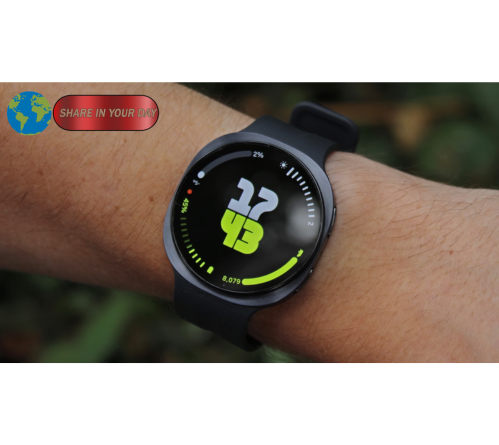
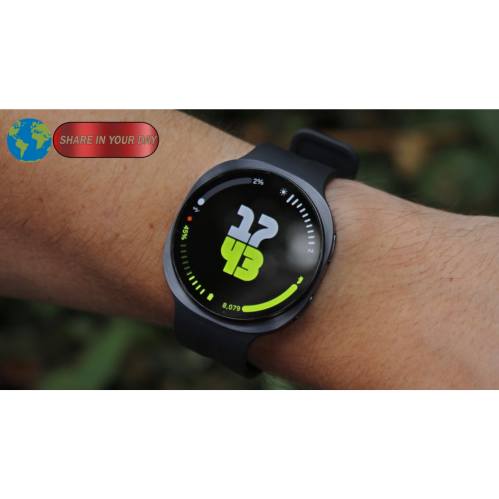
The Galaxy Watch 9 does not introduce a dramatic visual transformation. Samsung has largely retained the cushion-shaped case design introduced with the previous generation.
That may disappoint buyers hoping for a completely new look. However, the existing design remains one of the more distinctive options in the Android smartwatch market.
The watch is available in 40mm and 44mm sizes, allowing users to choose a model that better fits their wrist and personal preferences. The larger version is particularly suitable for people who want more screen space, while the smaller option offers a more compact profile.
Samsung’s design philosophy appears to focus on refinement rather than constant reinvention. Instead of changing the visual identity every year, the company is improving the technology inside the watch.
For many users, that approach makes sense. The Galaxy Watch 9 still looks modern, recognizable, and more traditional than some competing smartwatches.
2. A Faster Snapdragon Wear Elite Chip Improves Performance
One of the biggest changes in the Samsung Galaxy Watch 9 review is found inside the device.
Samsung has moved away from the processor used in the previous generation and adopted Qualcomm’s Snapdragon Wear Elite platform. The new chip is designed to improve responsiveness and support more advanced smartwatch features.
In everyday use, the performance gains may not feel revolutionary. However, apps, navigation, and smart features appear to respond more quickly. The improvement is especially noticeable when interacting with Google’s Gemini AI assistant.
The Galaxy Watch 9 is not suddenly operating in a completely different performance category. Nevertheless, the upgraded processor provides a smoother overall experience and gives the smartwatch more room to support future software improvements.
For users coming from older Galaxy Watch models, the difference could be much more noticeable.
3. Gemini AI Becomes More Useful on the Wrist
Artificial intelligence continues to become a larger part of the wearable technology experience.
The Galaxy Watch 9 expands its on-device integration with Gemini, making it easier for users to interact with an AI assistant directly from their wrist.
One of the most useful additions is a feature called Raise to Talk. Instead of pressing and holding a button before speaking to the assistant, users can simply raise their wrist and begin talking.
That might sound like a small change. However, reducing friction is important when using a smartwatch.
A watch is supposed to provide quick access to information without forcing users to reach for their phones. By making AI interactions faster and more natural, Samsung is trying to make the Galaxy Watch 9 more useful throughout the day.
The feature could be particularly valuable for LTE users who want to access smart functions when their smartphone is not nearby.
Samsung has also refined its gesture controls. Different gestures can now be used for positive and negative actions, such as answering or declining a call.
These changes are not groundbreaking individually. Together, however, they help create a more convenient software experience.
4. New Health Features Expand Samsung’s Wellness Platform
Health and wellness tracking remain central to the Galaxy Watch experience.
The Samsung Galaxy Watch 9 review shows that Samsung is expanding its ecosystem with new tools designed to give users a broader picture of their physical condition.
One of the standout additions is Vitals. The feature monitors several overnight health indicators, including resting heart rate, heart rate variability, respiratory rate, skin temperature, and blood oxygen levels.
Rather than simply displaying numbers, the system is designed to establish a personal baseline and identify meaningful changes over time.
This approach could make health data easier to understand. Smartwatch users often have access to enormous amounts of information, but raw numbers are not always useful without context.
The Galaxy Watch 9 also includes a Heart Health Score that combines information from sleep, stress, activity, and body composition.
Another feature, Daily Cardio Load, is intended to help users understand accumulated training strain. This could be particularly useful for runners and other active users trying to balance exercise and recovery.
Samsung has also introduced a Fitness Index that evaluates several areas of physical fitness, including cardio performance, endurance, strength capacity, flexibility, and body composition.
The information is presented visually, making it easier for users to see a broad summary of their fitness.
5. Battery Life Is Still the Biggest Disappointment
The larger battery is one of the headline hardware upgrades. However, real-world results remain one of the biggest concerns.
The Galaxy Watch 9 has a battery that is roughly 20% larger than the previous generation’s. Combined with a more efficient processor, that change should theoretically produce a significant improvement.
In practice, the gains appear limited.
Real-world battery life can still fall within roughly the one-day range, depending heavily on how the watch is used. GPS workouts and other power-intensive features can have a noticeable impact.
This is a major weakness in the modern smartwatch market.
Many users want to wear their smartwatch continuously for sleep tracking, exercise monitoring, notifications, and health measurements. Frequent charging interrupts that experience.
The Galaxy Watch 9 may survive a full day for many users, but it does not appear to deliver the kind of multi-day battery performance available from some competitors.
For buyers who prioritize battery life above everything else, this limitation should be carefully considered.
Samsung’s future challenge will be finding a way to combine its advanced smart features with significantly longer endurance.
6. Workout Tracking Shows Both Strengths and Inconsistencies
Fitness tracking is another important area of this Samsung Galaxy Watch 9 review.
During testing, GPS performance generally appeared strong. Location tracking remained close to dedicated fitness devices during outdoor workouts, suggesting that the watch can provide reliable route data for many activities.
Heart rate tracking, however, produced more mixed results.
In some steady-state workouts, the watch closely followed readings from a chest-strap reference device. That is an encouraging sign and demonstrates the potential of Samsung’s sensor technology.
However, there were also instances of inconsistent readings and apparent dropouts. During more demanding interval sessions, the watch sometimes struggled to accurately follow rapid changes in heart rate.
This inconsistency matters because accurate workout data is essential for athletes and serious fitness users.
A smartwatch does not need to replace professional medical or sports equipment. However, users should be able to trust that heart rate data remains reasonably consistent during different types of exercise.
The Galaxy Watch 9 appears capable of delivering strong results in many situations, but the inconsistent performance means Samsung still has room for improvement.
7. Should Galaxy Watch 8 Owners Upgrade?
The answer depends largely on which smartwatch you currently own.
If you already have a Galaxy Watch 8, the Galaxy Watch 9 may not provide enough new features to justify an immediate upgrade. The design is largely unchanged, and many software improvements may eventually become available on older compatible devices.
The faster processor is certainly welcome, but it is not a transformative reason for every current owner to spend money on a new model.
The situation is different for people using a much older Galaxy Watch.
Owners of devices such as the Galaxy Watch 4, Galaxy Watch 5, or Galaxy Watch 6 may experience a much more substantial upgrade. The improvements in processing power, software features, AI integration, and health tracking can create a significantly more modern experience.
The Galaxy Watch 9 may also be a better choice than the Galaxy Watch 8 for new buyers deciding between the two generations, especially if the price difference is reasonable.
Galaxy Watch 9 vs. Other Android Smartwatches
Samsung faces strong competition in the Android smartwatch market.
Google’s Pixel Watch lineup remains an important alternative, particularly for users who prioritize a clean software experience and longer battery life.
Samsung’s biggest advantage remains its ecosystem. Galaxy smartphone users can benefit from tighter integration and access to certain advanced health features that may not be fully available on other Android phones.
This makes the Galaxy Watch 9 particularly attractive for people already invested in Samsung devices.
However, users should consider their priorities before making a purchase.
If design personality, Samsung Health, AI integration, and ecosystem compatibility are most important, the Galaxy Watch 9 is a compelling option.
If multi-day battery life is the top priority, competing Android smartwatches may offer a better fit.
Before purchasing, readers can also compare the latest wearable technology through a trusted source such as Samsung’s official smartwatch information and other independent technology reviews. [Insert credible external link here.]
Final Verdict: Is the Samsung Galaxy Watch 9 Worth Buying?
The Samsung Galaxy Watch 9 review shows that Samsung has created a solid smartwatch rather than a revolutionary one.
The faster Snapdragon Wear Elite processor improves performance. Gemini integration is more convenient, and the expanded health and fitness features make the device a stronger wellness companion.
The distinctive design also remains a major advantage.
However, battery life continues to hold the smartwatch back. Despite the larger battery and improved processor, real-world endurance still falls short of what many users expect from a premium modern wearable.
Workout heart rate tracking also showed some inconsistencies during testing, although performance was strong in other sessions.
For Galaxy Watch 8 owners, this is likely a minor upgrade. There is little reason to replace a relatively new device unless the faster performance and additional features are particularly important.
For users coming from an older Galaxy Watch, however, the Galaxy Watch 9 is a much more compelling choice.
It delivers a modern design, strong smart features, useful AI tools, and an increasingly sophisticated health platform.
Ultimately, the Galaxy Watch 9 is a powerful Android smartwatch with familiar limits. Samsung has improved many areas, but longer battery life remains the major upgrade users are still waiting for.
For now, it is best suited to Android users—particularly Samsung smartphone owners—who value design, smart functionality, and health tracking more than multi-day battery endurance.