Houthi Attacks Saudi Arabia: 73 Hurt in Shocking Escalation
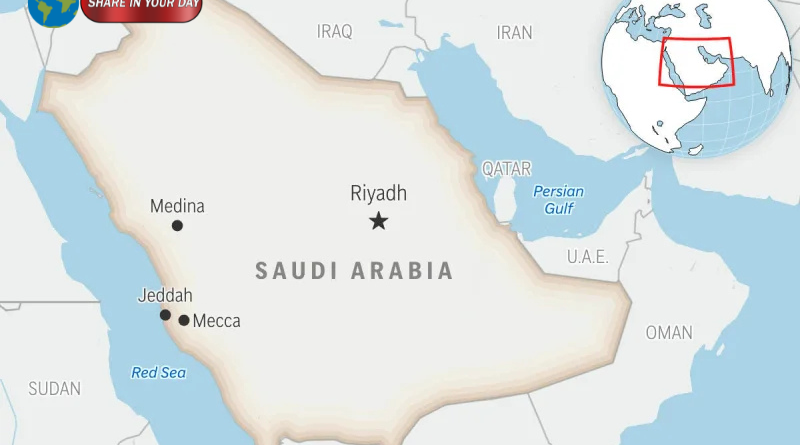
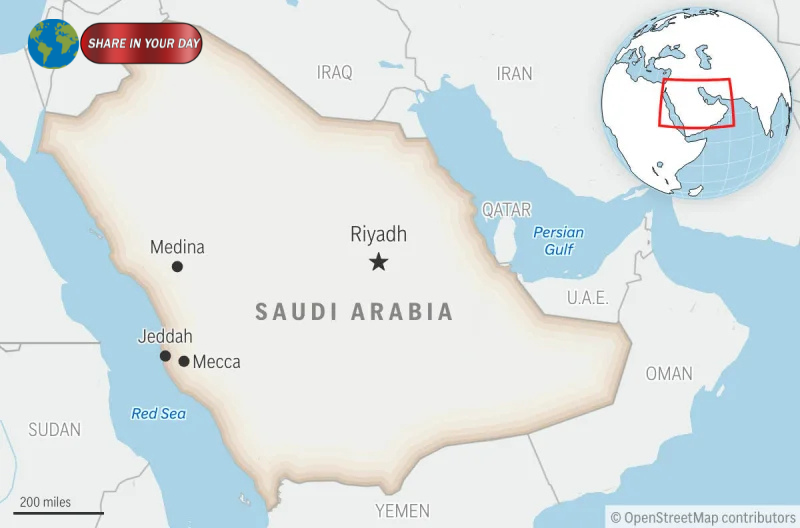
The Houthi attacks Saudi Arabia faced on Tuesday, September 8, have sharply escalated tensions across the Middle East, with at least 73 people injured and several energy facilities disrupted, according to Saudi authorities. The attacks struck targets in the southern cities of Abha, Khamis Mushait, Jazan and Najran, while fires were reported at energy-related sites.
The latest violence represents a significant expansion of the conflict involving Yemen’s Iran-aligned Houthi movement. It also comes at a particularly sensitive moment for global energy markets, as wider tensions involving Iran and the United States have already placed pressure on oil supplies and shipping routes.
Saudi officials described the attacks as a dangerous escalation and said authorities were taking measures to protect energy facilities, workers and civilians. Meanwhile, the Houthis claimed responsibility for the strikes and said their operation was a response to Saudi military action in Yemen.
Houthi Attacks Saudi Arabia in Four Southern Cities
The Houthi attacks Saudi Arabia experienced were reported across four southern locations: Abha, Khamis Mushait, Jazan and Najran.
The Saudi-led coalition said the attacks targeted civilian and economic sites. Saudi authorities reported that 73 civilians were injured, including women and children. Emergency crews were dispatched to affected locations as fires broke out and officials began assessing the damage.
Jazan is of particular concern because it is home to important energy infrastructure, including a major refinery and power facilities. Reports indicated that some operations at affected energy sites were temporarily suspended while emergency teams dealt with the consequences of the attacks.
Saudi Arabia’s Energy Ministry said authorities were working to protect facilities and workers while maintaining operations according to established emergency plans.
The immediate physical damage to Saudi Arabia’s overall oil production and export capacity remains under assessment. That uncertainty is important because even temporary disruptions at major energy facilities can influence global markets when geopolitical tensions are already elevated.
Energy Infrastructure Becomes a Major Target
One of the most important aspects of the Houthi attacks Saudi Arabia is the apparent focus on energy infrastructure.
Saudi Arabia is the world’s leading oil exporter, meaning any threat to its production, processing or transportation network can have consequences well beyond the kingdom’s borders.
Reuters reported that the attacks disrupted operations at some energy facilities and that fires broke out at sites in southern Saudi Arabia. The attacks also contributed to higher oil prices, with Brent crude moving close to $100 a barrel during Tuesday’s trading.
The Jazan facility is especially significant. The refinery has a processing capacity of up to 400,000 barrels per day, according to reporting on the latest attacks. Damage to a facility of that scale could become more important if disruptions continue or spread to other parts of Saudi Arabia’s energy network.
However, it is important to distinguish between a temporary operational suspension and a lasting reduction in national oil production. As of September 8, the full impact on Saudi output and exports had not been established.
That distinction will be closely watched by traders, governments and energy companies around the world.
Why Are the Houthis Attacking Saudi Arabia?
The Houthis have been engaged in a long-running conflict with Saudi Arabia and the internationally recognized Yemeni government.
The movement seized Yemen’s capital, Sanaa, in 2014 and subsequently expanded its control across much of northern Yemen. Saudi Arabia intervened militarily in 2015 as part of a coalition supporting the internationally recognized government. The war created one of the world’s most severe humanitarian crises.
Although fighting declined substantially following a truce in 2022, the underlying political and military conflict was never fully resolved.
The latest escalation follows renewed Houthi attacks against Saudi territory and commercial shipping. Saudi Arabia said the Houthis have increasingly targeted civilian and economic infrastructure, while the Houthis have accused Saudi forces of conducting attacks inside Yemen.
Houthi military spokesman Yahya Saree said the latest operation was connected to recent Saudi attacks in several Yemeni provinces. The group specifically cited strikes in areas including Marib, Al Bayda, Hodeidah, Taiz and Al Jawf.
The competing explanations underline the complexity of the current escalation. Each side presents its attacks as retaliation, increasing the risk of a cycle in which one strike produces another.
Houthis Claim Missile and Drone Attacks
The Houthis said they conducted a broad military operation deep inside Saudi territory using drones and missiles.
According to reporting carried by Reuters, the group said it targeted a Saudi air base in Khamis Mushait as well as sites connected to Saudi Arabia’s state oil company in Abha, Najran and Jazan.
Saudi officials, meanwhile, focused on the consequences for civilians and energy infrastructure.
The Saudi-led coalition’s spokesman, Maj. Gen. Turki al-Malki, called the attacks a dangerous escalation and said the coalition would take operational measures to deter the Houthis.
The contrasting statements suggest that the immediate confrontation could continue.
More importantly, the geography of the attacks matters. Southern Saudi Arabia is relatively close to Yemen, making it an established zone of vulnerability. But strikes against major energy assets create risks that extend far beyond the immediate battlefield.
Oil Markets React to the Escalation
The Houthi attacks Saudi Arabia saw on September 8 arrived as oil markets were already under pressure from broader Middle East instability.
Brent crude rose toward $100 a barrel, while U.S. crude also gained as traders assessed the potential impact of disruptions to regional energy supplies.
Oil prices do not automatically surge every time an energy facility is attacked. Markets consider several factors, including the amount of production affected, how long the disruption is expected to last and whether alternative supply routes are available.
There are also strategic reserves and alternative export pathways that can reduce the immediate impact of a localized disruption.
Nevertheless, repeated attacks could create a different situation.
If energy infrastructure in Saudi Arabia were repeatedly damaged, markets could begin pricing in a larger and longer-term supply risk. That could affect transportation costs, fuel prices and inflation in countries that rely heavily on imported energy.
The risk is even greater because the latest Saudi attacks are occurring alongside disruptions involving other major Middle Eastern energy routes.
The Red Sea Adds Another Layer of Risk
The conflict is not limited to Saudi territory.
The Houthis have also threatened commercial shipping in the Red Sea. Saudi Arabia said in August that Houthi attacks had targeted the kingdom since July, while the group had also attacked commercial vessels in the region.
The Red Sea is a critical international shipping corridor. Vessels passing through the area can connect the Indian Ocean and the Mediterranean through the Bab el-Mandeb Strait and the Suez Canal.
Any sustained threat to this route can increase shipping costs and force some vessels to take longer routes around Africa.
That creates a second economic problem.
Even when oil production remains stable, higher shipping costs and longer journeys can increase the price of delivering fuel and other goods to international markets.
The broader risk is therefore not simply whether Saudi Arabia loses oil production. It is whether attacks across multiple parts of the region begin disrupting the entire energy and logistics system.
Saudi Arabia Promises a Firm Response
Saudi authorities have strongly condemned the attacks.
The Saudi Foreign Ministry said the strikes targeted civilian and economic assets in Abha, Khamis Mushait, Jazan and Najran. Saudi officials also emphasized their determination to protect the country’s sovereignty and national infrastructure.
The response from Saudi Arabia will be closely watched because military retaliation could trigger another round of attacks.
That creates a difficult strategic calculation for Riyadh.
A limited response could be viewed as insufficient to deter further attacks. A much larger military campaign, however, could deepen the conflict in Yemen and increase the risk of attacks on Saudi infrastructure, cities and shipping.
The situation also comes amid broader tensions involving Iran, the United States and other regional powers.
The Houthis are supported by Iran, although analysts note that the movement maintains its own domestic political and military objectives. Their ability to launch drones and missiles across borders has made them an important factor in the region’s security environment.
What Happens Next?
The next several days will be critical.
First, Saudi officials will need to determine the full extent of the damage to energy facilities. Initial reports indicate that some operations were temporarily halted, but the long-term effect on national oil production remains unclear.
Second, markets will watch for additional attacks.
A single incident can be contained. Repeated attacks against oil facilities could have a much larger effect on global prices and supply expectations.
Third, attention will turn to Saudi Arabia’s military response.
If Riyadh launches major strikes against Houthi positions in Yemen, the Houthis could attempt further attacks against Saudi cities, military installations or energy infrastructure.
Finally, international governments will face renewed pressure to prevent the Yemen conflict from becoming another major regional front.
Qatar has already condemned the attacks and expressed concern about threats to civilian facilities and freedom of navigation in the Red Sea.
A Dangerous Moment for the Middle East
The latest Houthi attacks Saudi Arabia suffered demonstrate how quickly Yemen’s unresolved conflict can become connected to wider regional instability.
The immediate human cost is already significant, with 73 people reported injured. The attacks have also disrupted energy operations and raised fresh concerns about the security of Saudi Arabia’s critical infrastructure.
For global markets, the central question is whether the disruption remains temporary or develops into a prolonged campaign against energy assets.
For Saudi Arabia, the challenge is even more direct: how to deter further attacks without triggering an escalation that could spread across Yemen, the Red Sea and the wider Gulf region.
The coming days should provide a clearer picture of the damage, Saudi Arabia’s response and whether the latest attacks mark a temporary flare-up or the beginning of a much broader phase of the Middle East conflict.
For now, the combination of civilian casualties, energy disruptions, missile and drone attacks, and rising oil prices makes the September 8 escalation one of the most consequential developments in the Yemen conflict in recent months.