Harry and Meghan: 7 Key Facts on Royal Status
King Charles III has formally reaffirmed the Harry and Meghan royal status as non-working members of the British Royal Family, ending renewed speculation that their recent return to the United Kingdom could lead to a restoration of official royal duties.
The clarification came in a letter issued on the king’s behalf by the Lord Chamberlain and circulated to senior government, military and other officials. The letter makes clear that Prince Harry and Meghan Markle have not returned to official royal service and that their charitable and commercial activities remain private.
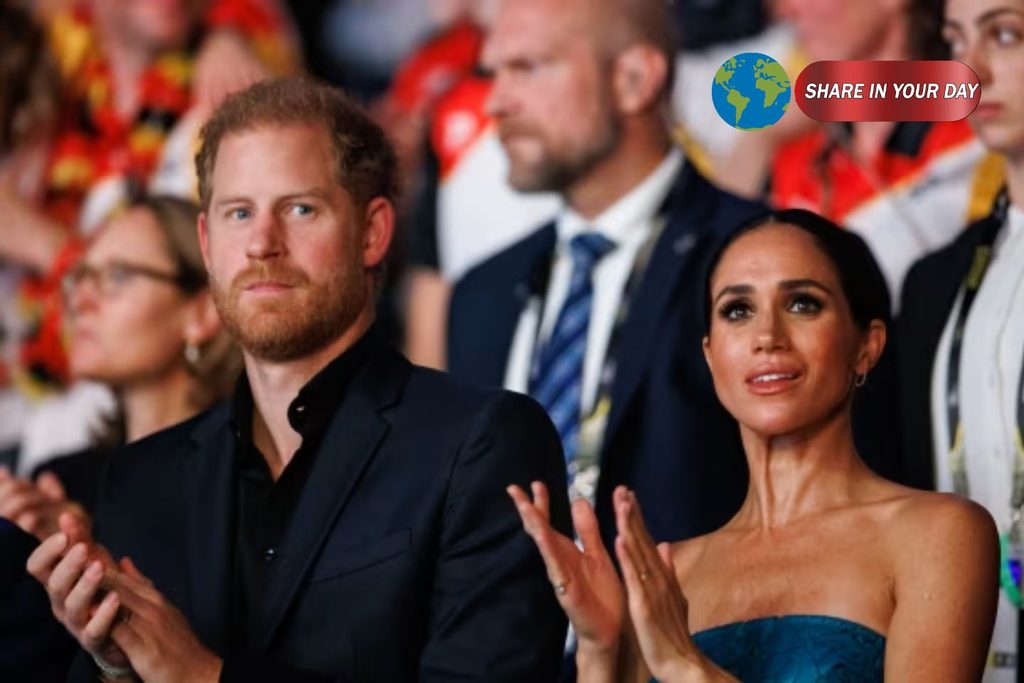
The development comes as the Duke and Duchess of Sussex have returned to Britain after spending years living in the United States. Their presence in the country has inevitably raised questions about whether their relationship with the monarchy could evolve, particularly as Harry continues to participate in charitable activities and has expressed a desire for better relations with his family.
But the palace’s message is now clear: their physical return to Britain does not mean a return to royal duties.
At the same time, another important issue remains unresolved. Harry’s long-running dispute over publicly funded security in Britain is still being handled separately by government authorities.
Here are seven key facts behind the latest development.
1. Harry and Meghan remain non-working royals
The central message from King Charles is straightforward.
Harry and Meghan remain non-working members of the Royal Family.
That status dates back to their decision in 2020 to step away from official royal duties and establish a more independent life. The latest letter does not represent a new removal from royal duties; instead, it reinforces an arrangement that has been in place for years.
The distinction is important because Harry and Meghan remain members of the wider royal family while no longer representing the monarch in an official capacity.
Their activities are therefore treated differently from those of working royals such as King Charles, Queen Camilla, Prince William and other senior members who carry out engagements on behalf of the Crown.
The palace apparently decided that a formal clarification was necessary because the couple’s return to Britain had generated questions about whether their status might change.
The answer, at least for now, is no.
2. The letter was released as the Sussexes returned to Britain
The timing of the announcement is particularly significant.
Harry and Meghan have recently returned to the United Kingdom after spending several years based in the United States. Their move has attracted attention because Britain remains central to Harry’s family connections, charitable interests and ongoing legal disputes over security.
Their return naturally generated speculation about a possible reconciliation with the Royal Family.
There have been signs of warmer communication between Harry and his father, King Charles, although the broader relationship remains complicated.
Against that backdrop, the palace’s decision to formally reaffirm the couple’s status sends a deliberate message.
Harry and Meghan may be back in Britain, but that does not mean they are returning to the institution they left.
The Associated Press reported that the letter was released publicly to prevent confusion about the couple’s position and responsibilities.
That makes the document more than a simple administrative note. It establishes a clear boundary between the Sussexes’ private activities and official royal business.
3. Harry and Meghan will not resume official duties
The letter also makes clear that Harry and Meghan will not resume official duties on behalf of the monarch.
This means their appearances at charitable events should not be interpreted as royal engagements.
Harry has remained active in causes that are personally important to him, including the Invictus Games and other charitable initiatives. Meghan has also maintained her own charitable interests.
But the palace’s position is that these activities are private.
That distinction allows the couple to remain publicly active without representing King Charles or acting on behalf of the British monarchy.
It also prevents potential confusion at events involving government agencies, military organizations or other institutions that may need to distinguish between working royals and members of the wider royal family.
The letter reportedly directed questions about official interactions or public resources involving Harry and Meghan to Buckingham Palace, reinforcing that their office operates separately from the Royal Household.
4. Their royal titles remain restricted
Another significant element concerns the use of royal titles.
Harry and Meghan retain their Duke and Duchess of Sussex titles, but the style of “His Royal Highness” and “Her Royal Highness” is not used for them.
The latest clarification maintains that position.
The decision follows the arrangements established after the couple stepped back from royal duties. Their status has not been restored despite their return to Britain.
This distinction can sometimes be confusing because Harry remains a prince and Meghan remains the Duchess of Sussex.
However, holding a royal title does not automatically mean that a person is a working member of the monarchy.
That difference is central to understanding the Harry and Meghan royal status debate.
The couple can continue to use their existing titles in certain contexts while remaining outside the official working structure of the Royal Family.
5. Their charitable work remains private
The palace has also emphasized that charitable activities undertaken by Harry and Meghan are conducted in a personal capacity.
This is an important distinction because both have remained active in philanthropy since stepping away from royal duties.
Harry’s work with the Invictus Games is one of his best-known commitments. Meghan has also maintained interests in causes involving women, families and community organizations.
However, those activities do not constitute a return to royal service.
The distinction means the couple’s public appearances and charitable work should not be confused with official engagements undertaken by members of the Royal Family.
That separation is likely to remain important as Harry and Meghan increase their presence in Britain.
If they attend events, meet charities or participate in public initiatives, organizers and media outlets will need to distinguish between personal activities and official royal business.
The palace’s letter appears intended to eliminate any ambiguity.
6. Security remains a separate and unresolved issue
Perhaps the most important unanswered question concerns security.
Harry has spent years challenging decisions about publicly funded police protection when he visits Britain.
His position has been that the level of security provided to him and his family should reflect the risks they face because of their previous role within the Royal Family.
The British government has maintained that security decisions must be made by the appropriate authorities rather than determined by the royal household.
The relevant body is the Royal and VIP Executive Committee, commonly known as RAVEC.
The latest palace clarification does not itself determine whether Harry and Meghan will receive a different level of police protection.
Instead, security remains a matter for government and law-enforcement authorities.
That distinction is crucial.
Harry’s royal status and his security arrangements are related politically, but they are not identical legal questions.
Even if he remains a non-working royal, authorities can independently assess the security risks associated with his presence in Britain.
7. The letter highlights continuing boundaries with the monarchy
The broader significance of the announcement is that the palace is establishing clear boundaries.
Harry and Meghan can live in Britain, conduct charitable activities, pursue commercial interests and maintain relationships with members of the Royal Family without automatically becoming working royals again.
That arrangement may be especially important because their return could otherwise create uncertainty.
For example, government officials might wonder whether an appearance involving Harry represents a private event or an official royal engagement.
Military organizations could face similar questions because Harry retains strong personal connections with the armed forces.
Charities could also be uncertain about whether his participation carries official royal endorsement.
The letter provides an institutional answer.
Harry and Meghan’s activities are private unless explicitly identified otherwise.
Why King Charles issued the clarification
The timing suggests that the palace wanted to prevent speculation from becoming established as fact.
The return of Harry and Meghan to Britain has generated enormous interest because the couple’s relationship with the Royal Family has been strained for years.
Harry has publicly discussed disagreements with members of his family and criticized aspects of the institution. His relationship with Prince William has remained particularly difficult.
At the same time, Harry has expressed a desire for reconciliation.
That combination creates an unusual situation.
A member of the Royal Family who remains personally connected to the monarchy is now living closer to Britain again while continuing to operate independently.
King Charles therefore appears to be drawing a clear institutional line.
The message is essentially that family relationships and royal responsibilities are separate matters.
Harry can be the king’s son without being a working representative of the Crown.
Meghan can remain the Duchess of Sussex without becoming an official member of the working monarchy.
The security question could become the next major test
While the royal-status question has now been clarified, the security dispute remains much more complicated.
Harry has argued that security protection is particularly important when he and his family visit Britain.
The issue has been the subject of legal proceedings and years of disagreement with British authorities.
The latest development could therefore shift attention back to RAVEC.
The committee must determine security arrangements based on risk rather than simply on a person’s family relationship with the monarch.
That means the palace’s latest letter does not necessarily settle what level of protection Harry and Meghan will receive.
The government will make that determination separately.
The distinction is significant because Harry could remain a private, non-working royal while still receiving security based on a specific threat assessment.
What the announcement means for Harry’s return
For Harry, the latest clarification creates both certainty and limitations.
He can continue his life in Britain without needing to return to official royal duties.
That may suit the independent model he and Meghan established after leaving royal service.
At the same time, it means he will not automatically regain the institutional privileges associated with being a working royal.
His charitable engagements will remain personal, his office will operate independently and questions involving official government or royal activities will continue to be handled separately.
The arrangement gives Harry considerable freedom while maintaining a firm institutional boundary.
What it means for Meghan
For Meghan, the clarification is similarly important.
Her return to Britain does not represent a restoration of her former role as a senior working royal.
Any future charitable activities or public appearances will be undertaken independently.
That could allow Meghan to reconnect with British organizations without creating the impression that she is returning to royal duties.
It also gives the palace a clear framework for dealing with her activities.
Her work can be recognized as philanthropic or commercial without being treated as an extension of the monarchy.
Could Harry and Meghan ever become working royals again?
The latest letter does not suggest that such a return is imminent.
Instead, it reinforces the current arrangement.
Any future change would likely require an explicit decision from the monarch and the Royal Household rather than simply happening because Harry and Meghan are physically present in Britain.
For now, the palace appears determined to prevent a gradual or informal return.
That could be especially important given the enormous media attention surrounding the Sussexes.
A public appearance alongside a member of the Royal Family could easily generate headlines suggesting reconciliation or reinstatement.
The new clarification makes the institutional position easier to understand.
Personal reconciliation does not necessarily mean professional reconciliation.
The bigger picture
The latest development surrounding Harry and Meghan royal status represents an important moment in the continuing evolution of the Sussexes’ relationship with the British monarchy.
King Charles has made clear that their return to Britain does not change the fundamental arrangement established after they stepped away from royal duties.
They remain non-working royals.
Their charitable and commercial activities remain private. Their HRH styles remain unused, and their office continues to operate separately from the Royal Household.
At the same time, the security question remains in the hands of British authorities rather than the king.
That creates a clear division between royal status and personal protection.
The announcement may disappoint those hoping that Harry and Meghan’s return would lead to a dramatic reconciliation with the monarchy. But it also provides certainty.
The Sussexes can build their lives in Britain without officially returning to the working Royal Family.
For King Charles, the message is equally clear: family ties remain, but institutional boundaries remain firmly in place.
And as Harry and Meghan continue their lives in the United Kingdom, those boundaries will likely remain one of the most closely watched aspects of their relationship with the Crown.