ASEAN Special Meeting Fails to Persuade Thailand to Stop Hostilities
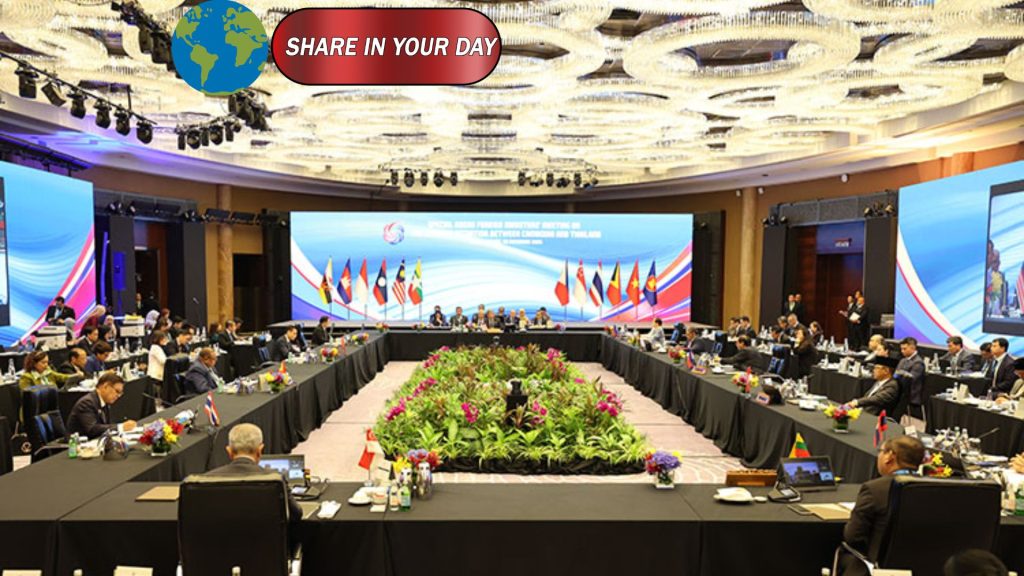
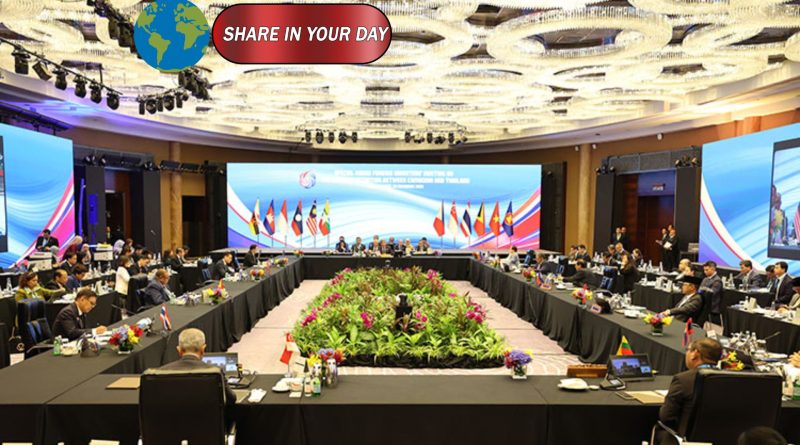
BANGKOK/PHNOM PENH — A Special ASEAN Foreign Ministers’ Meeting held on 22 December in Kuala Lumpur ended without achieving an immediate cessation of fighting between Thailand and Cambodia, as hopes for a swift ceasefire were sidelined in favor of further bilateral discussions.
Ministers from the Association of Southeast Asian Nations (ASEAN) convened at the invitation of Malaysia, the bloc’s current chair, to address escalating border clashes that began in early December and have since caused casualties, widespread displacement and damage to civilian areas on both sides of the shared frontier.
Despite strong calls from the ASEAN chair and regional partners for restraint and dialogue, the meeting failed to secure Thailand’s agreement to halt hostilities immediately. Instead, foreign ministers welcomed renewed discussions and agreed that the General Border Committee (GBC) — a long-established bilateral mechanism — will meet on 24 December to discuss implementation and verification of a ceasefire.
ASEAN’s chairstatement expressed “serious concern” over ongoing clashes, noting the toll on civilians and infrastructure, and urged both sides to exercise maximum restraint while restoring mutual trust and resuming dialogue through bilateral channels and the good offices of ASEAN’s leadership.
Thai and Cambodian officials underscored their commitment to further negotiations, though no definitive agreement was reached during the ASEAN meeting itself. Phnom Penh has accused Thai forces of continued shelling and border incursions, while Bangkok insists any cessation of fighting requires reciprocal steps.
The upcoming GBC talks on 24 December are now viewed as the key next step toward de-escalation, with ASEAN leaders expressing “hope for the de-escalation of hostilities as soon as possible.”
As the conflict stretches into its third week, thousands of families remain displaced, and regional actors, including China and the United States, continue their diplomatic outreach to support a negotiated peace