North Korea’s Kim Jong Un Removes Vice Premier Over Troubled Factory Project
SEOUL — North Korean leader Kim Jong Un has dismissed a vice premier responsible for the country’s machine-building industry after criticizing failures in a major factory modernization project, state media reported Tuesday, signaling renewed pressure on senior officials ahead of an important ruling party meeting.
According to the Korean Central News Agency (KCNA), Kim removed Vice Premier Yang Sung Ho following what the leader described as serious mismanagement during the first phase of modernization at the Ryongsong Machine Complex, a key industrial facility in northeastern North Korea.
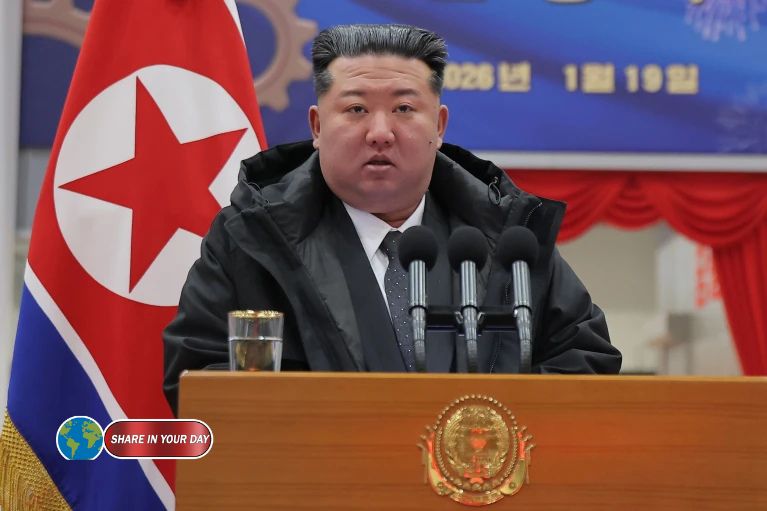
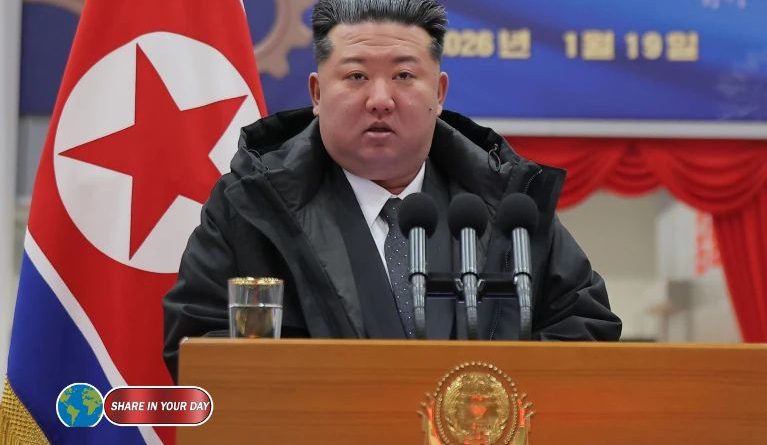
Kim delivered the remarks during a ceremony marking the project’s completion on Monday. In his speech, he accused Yang of creating “unnecessary man-made confusion” and blamed him for economic losses caused by what Kim called irresponsible and incompetent leadership.
The Ryongsong Machine Complex plays a significant role in North Korea’s heavy industry, particularly in machinery production linked to defense manufacturing. Kim said the modernization effort suffered “not a small amount of economic loss,” with large quantities of state funds and labor wasted during the process.
KCNA quoted Kim as saying that the failures placed an additional burden on the country’s munitions industry sector, which has been a priority area for the leadership as Pyongyang continues to advance its military capabilities despite international sanctions.
Warning Shot Ahead of Party Congress
Analysts see the dismissal as part of Kim’s broader effort to reinforce discipline among top officials ahead of the upcoming Workers’ Party of Korea congress, where new economic and policy goals are expected to be outlined.
The party congress, typically held every five years, serves as a platform for Kim to reassess economic strategies amid persistent challenges, including sanctions, resource shortages, and chronic inefficiencies in state-run industries.
In recent months, Kim has publicly scolded officials for failures in economic planning and construction projects, often using such moments to emphasize accountability and loyalty within the elite leadership.
“This looks like a clear message to senior cadres that poor performance will not be tolerated, especially at a politically sensitive time,” said one Seoul-based analyst who closely monitors North Korean state media. “Kim is reinforcing control while trying to project an image of decisive leadership.”
Economic Pressure and Industrial Struggles
North Korea’s industrial sector has faced mounting difficulties as sanctions restrict access to foreign technology and materials, while domestic production struggles to meet the leadership’s ambitious targets.
The machine-building industry is particularly important to Pyongyang’s self-reliance campaign, which Kim has repeatedly promoted as a way to reduce dependence on external sources. However, modernization projects have often been delayed or plagued by inefficiency, reflecting systemic issues within the centrally planned economy.
KCNA did not provide further details on Yang Sung Ho’s fate beyond his dismissal, a common practice in North Korean reporting. Officials removed from senior positions sometimes disappear from public view, though outcomes can range from reassignment to harsher penalties.
Pattern of Public Reprimands
Kim has increasingly used public appearances at factories and construction sites to deliver sharp criticism of officials, a departure from the more restrained style of his father, Kim Jong Il.
Earlier this year, Kim reprimanded cadres over delays in housing projects and failures in agricultural planning, urging them to abandon what he described as outdated work habits and bureaucratic complacency.
The latest dismissal reinforces a pattern in which Kim links economic performance directly to political loyalty, using high-profile removals to reinforce discipline across the party and government.
As North Korea prepares for its next party congress, observers expect further personnel changes and public criticism as Kim seeks to consolidate authority and demonstrate progress on economic modernization — even as structural challenges continue to limit tangible gains.