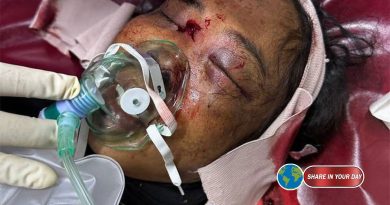
Renewed Border Fighting Displaces Over 331,000 Cambodians
Renewed Border Fighting Displaces Over 331,000 Cambodians Amid Ongoing Conflict
A new wave of border fighting between Cambodia and Thailand has forced over 331,000 Cambodians to flee their homes, far surpassing the 172,000 displaced during a similar conflict in July 2025. The ongoing violence, which erupted along the disputed border regions, has stretched local resources, disrupted livelihoods, and created a significant humanitarian crisis that continues to grow.
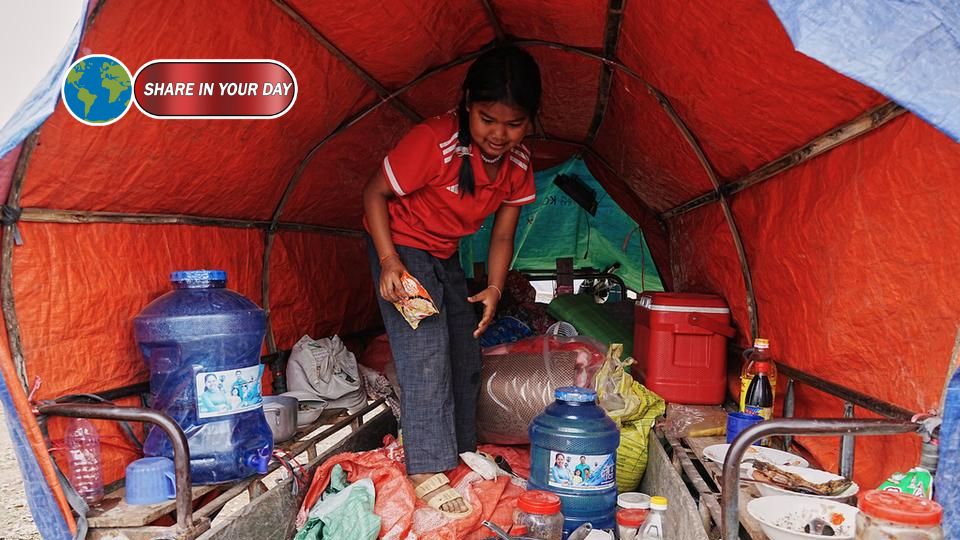
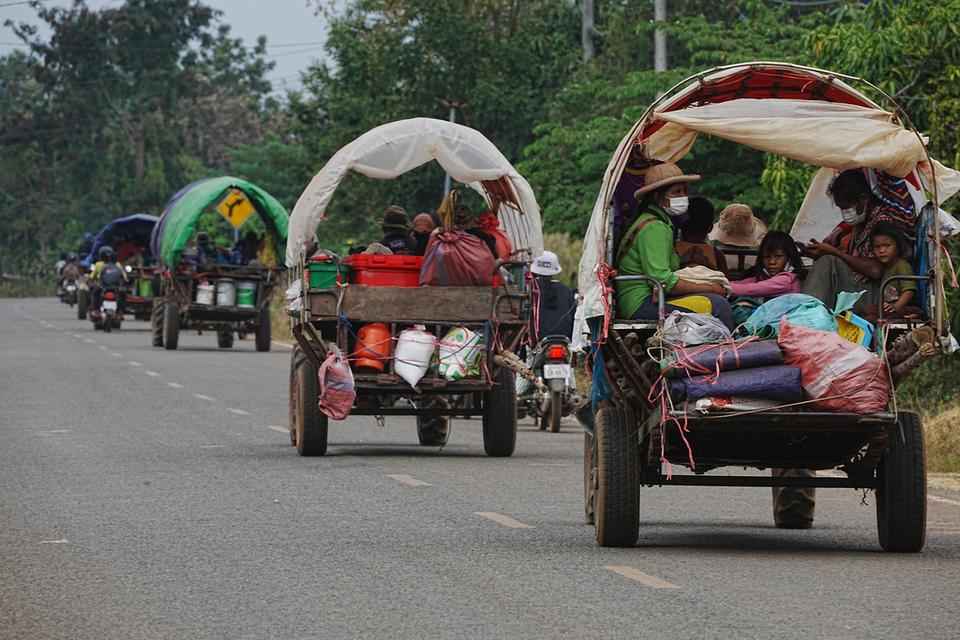
The situation has become increasingly dire. According to the latest report from the Cambodia Humanitarian Response Forum (HRF), the current number of displaced persons marks a nearly twofold increase from the previous flare-up. As of December 12, 2025, 331,158 Cambodians have been forced to evacuate, with many seeking refuge in government-established camps, while others have found shelter with family and relatives.
The Scope of Displacement and Humanitarian Impact
The scale of displacement is staggering. The hardest-hit provinces are Banteay Meanchey, where over 147,000 people have been displaced, followed by Siem Reap with around 87,350 people, and Oddar Meanchey with 40,545 displaced. Other affected areas include Preah Vihear, Battambang, and Pursat provinces.
These numbers represent not just a demographic crisis, but also a severe strain on local resources. The displaced populations, many of whom have lost homes and livelihoods, now rely heavily on government shelters and humanitarian aid.
Shelter, Food, and Essential Services
According to the National Committee of Disaster Management (NCDM), more than 246,000 displaced people have sought refuge in 234 government-run evacuation camps. Another 85,000 individuals have taken shelter with relatives or friends.
At the heart of the crisis is the ongoing need for basic services, such as food, water, sanitation, and shelter. The HRF’s report highlights that more than 180,000 individuals across seven provinces have received assistance, with the bulk of aid being distributed in the form of WASH (Water, Sanitation, and Hygiene) services.
Other essential services have also been provided, including food security and nutrition for 90,000 people, and shelter for 67,000 individuals. While aid efforts have been ramped up, the scale of the crisis is challenging to meet, and the situation remains fluid.
Economic and Social Disruptions
The conflict has not only displaced tens of thousands but has also caused economic disruptions. With the border closed in many areas, cross-border trade and tourism have come to a standstill. The downturn in commerce and migration has led to inflationary pressures, particularly in the border provinces, where many local economies depend on trade with Thailand.
Furthermore, the return of migrant workers from Thailand has added pressure to already overburdened local economies. Many of these workers have lost their jobs or are unable to return to Thailand due to the ongoing conflict.
The HRF report noted that the economic slowdown is particularly felt in sectors that rely heavily on cross-border commerce, including agriculture, tourism, and manufacturing. The social fabric has also been disrupted, as communities struggle to adapt to the sudden influx of displaced people and the long-term consequences of the ongoing fighting.
Humanitarian Coordination and Response
In response to the crisis, the HRF is coordinating with local authorities, civil society organizations, and international partners to provide essential aid. The Cambodian government, together with non-governmental organizations (NGOs), has been working tirelessly to ensure that those displaced receive food, shelter, clean water, and healthcare.
The HRF, which includes more than 30 humanitarian organizations, has been instrumental in delivering support on the ground. By using the 5W monitoring tool, which tracks who is providing what aid, to whom, and where, the HRF has helped to streamline relief efforts across the affected provinces.
Despite these efforts, the ongoing skirmishes between Cambodian and Thai forces show no signs of abating. The December 7-12 period has seen continued conflict, and experts fear that the number of displaced individuals could rise further if peace is not restored soon.
Looking Ahead: The Road to Recovery
The situation remains critical. The HRF report warns that with skirmishes continuing and the humanitarian impact deepening, the number of displaced people could climb even higher in the coming days. While Cambodia has been able to provide temporary shelter and aid, the ongoing violence and economic disruptions present long-term challenges for recovery.
For now, the government and aid organizations are focused on addressing the immediate needs of displaced families, but longer-term plans for reconstruction and reconciliation will be necessary to rebuild communities and restore stability.
As Cambodia faces one of its largest humanitarian crises in recent years, the global community’s response will be crucial in preventing further suffering. The need for an immediate ceasefire and diplomatic intervention remains urgent as the situation unfolds.