Cambodia’s Deputy Prime Minister and Commerce Minister Represent Kingdom at World Economic Forum
Cambodia’s top economic policymakers are taking part in the World Economic Forum in Davos, Switzerland, as the country seeks to strengthen its global economic ties and promote further foreign investment.
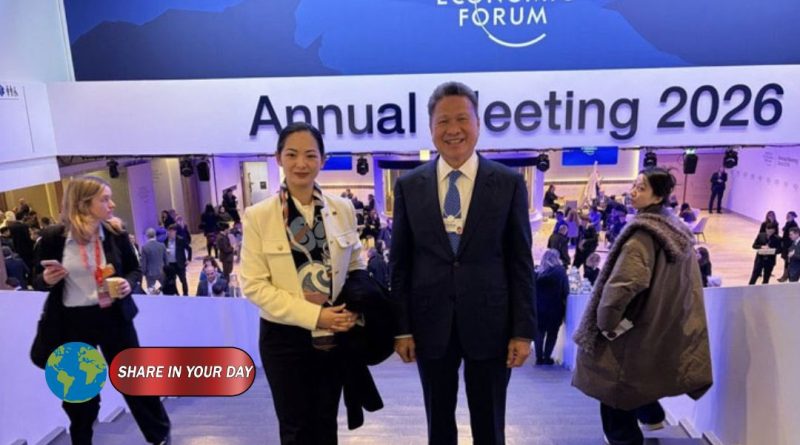
Deputy Prime Minister Sun Chanthol, who also serves as First Vice President of the Council for the Development of Cambodia, and Minister of Commerce Cham Nimul are representing the Kingdom at the annual gathering, which brings together leaders from government, business, civil society and academia to discuss global challenges and economic priorities.
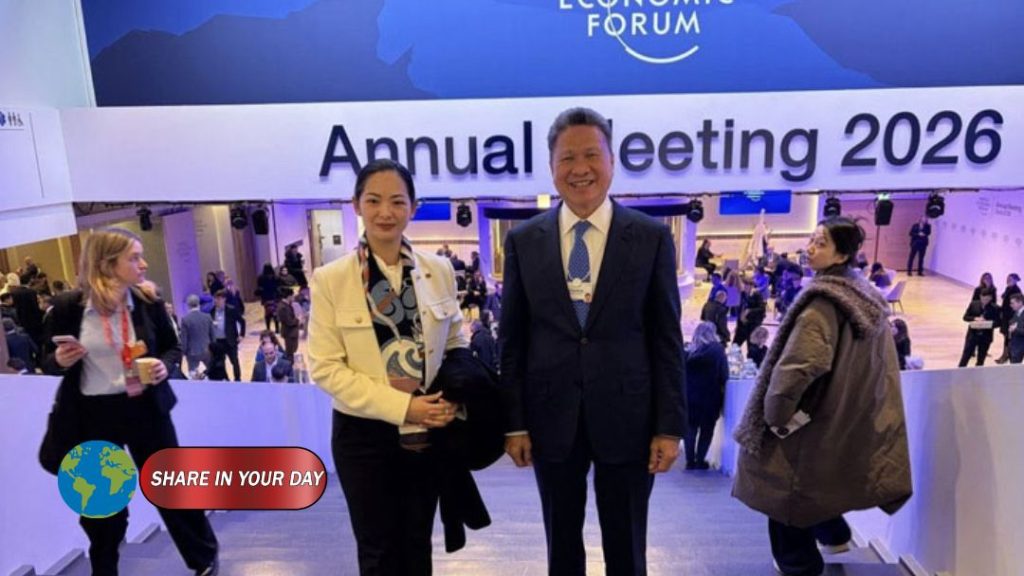
The forum, held each year in the Swiss alpine resort, is widely regarded as one of the most influential platforms for international dialogue on trade, investment, technology and sustainable development. Participation offers countries like Cambodia an opportunity to engage directly with multinational corporations, investors and policymakers amid a rapidly shifting global economic landscape.
Engaging Global Business Leaders
On the sidelines of the forum, the Cambodian delegation has held a series of meetings with international business leaders to highlight the country’s economic potential and investment climate.
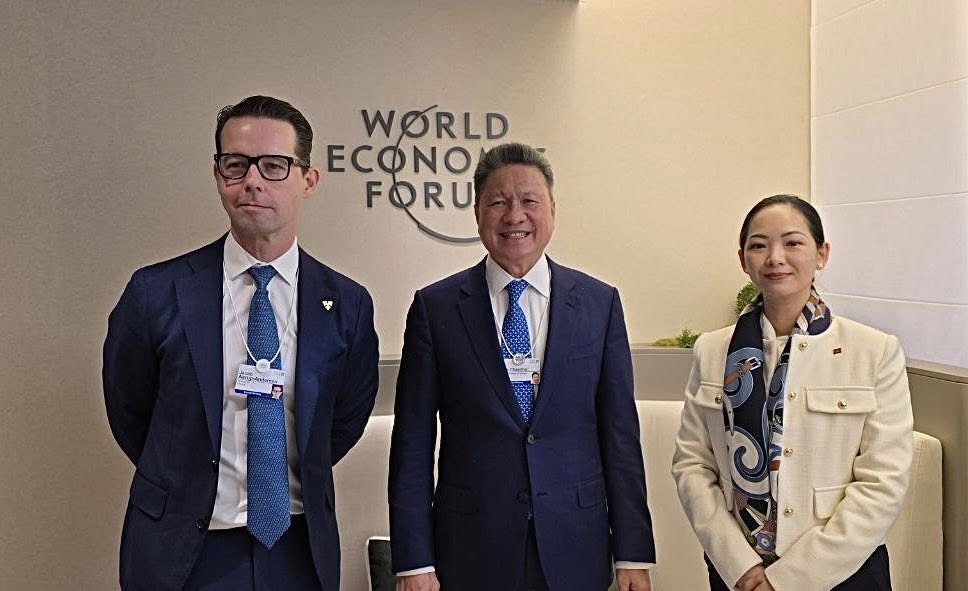
Among the meetings was a discussion with Jacob Aarup-Andersen, Chief Executive Officer of the Carlsberg Group, one of the world’s leading beverage companies with operations across Asia.
According to officials, talks focused on promoting fair competition, reviewing Carlsberg’s business activities in Cambodia, and exploring opportunities for further corporate investment in the country. The discussions reflect Cambodia’s broader effort to attract high-quality foreign investment while encouraging responsible business practices.
Carlsberg has been present in Cambodia’s beverage market for several years, and the engagement at Davos signals the government’s intention to maintain close dialogue with existing investors as well as potential new entrants.
Promoting Cambodia’s Investment Climate
Deputy Prime Minister Sun Chanthol has played a central role in Cambodia’s investment promotion strategy, particularly as the country works to diversify its economy beyond traditional manufacturing sectors.
In recent years, Cambodia has emphasized reforms aimed at improving the business environment, strengthening regulatory transparency, and enhancing infrastructure to support long-term growth. Officials say these efforts are designed to position the country as a competitive destination for regional and global investors.
The World Economic Forum provides a platform to communicate these priorities directly to decision-makers at a time when companies are reassessing supply chains and investment destinations amid geopolitical tensions and economic uncertainty.
Trade and Economic Cooperation in Focus
Commerce Minister Cham Nimul’s participation underscores Cambodia’s focus on expanding trade partnerships and integrating more deeply into regional and global markets.
As Minister of Commerce, Cham Nimul has overseen efforts to promote exports, implement trade agreements, and support Cambodian businesses seeking access to international markets. Engagements at Davos allow Cambodia to reinforce its commitment to open trade and economic cooperation while highlighting opportunities in sectors such as manufacturing, agribusiness, logistics and services.
The forum also enables smaller and emerging economies to participate in discussions shaping global trade norms, digital transformation and sustainable development — issues that are increasingly critical to long-term competitiveness.
Positioning Cambodia on the Global Stage
The presence of senior Cambodian officials at the World Economic Forum reflects the government’s broader strategy of active economic diplomacy. By engaging directly with multinational corporations and international institutions, Cambodia aims to strengthen investor confidence and ensure its voice is heard in global economic discussions.
While Davos is often associated with major powers and multinational giants, Cambodian officials view participation as an opportunity to present the country’s reform agenda and economic ambitions to a global audience.
As the forum continues, further meetings are expected with business leaders and policymakers, reinforcing Cambodia’s efforts to attract investment, promote fair competition, and position itself as a reliable partner in an increasingly complex global economy.