China’s Diplomatic Efforts: Cambodia and Thailand Agree to Ceasefire After Talks with Wang Yi
In a significant development regarding the ongoing tensions between Cambodia and Thailand, both nations have agreed to de-escalate the conflict and implement a ceasefire, following separate diplomatic talks with Chinese Foreign Minister Wang Yi.
On December 18, 2025, Guo Jiakun, a spokesperson for China’s Foreign Ministry, announced on social media that Cambodia and Thailand had both expressed their willingness to reduce tensions and halt military actions along their disputed border. These discussions were the result of phone calls between Wang Yi and key officials from both nations: Cambodian Deputy Prime Minister and Minister of Foreign Affairs, Prak Sokhonn, and Thai Foreign Minister, Sihasak Phuangketkeow.
The commitment from both countries to de-escalate follows a period of rising border clashes, which have raised concerns about the potential for wider regional instability. However, these recent statements suggest a diplomatic breakthrough, largely facilitated by China’s active involvement in the mediation process.
China’s Neutral Role and Commitment to Peace
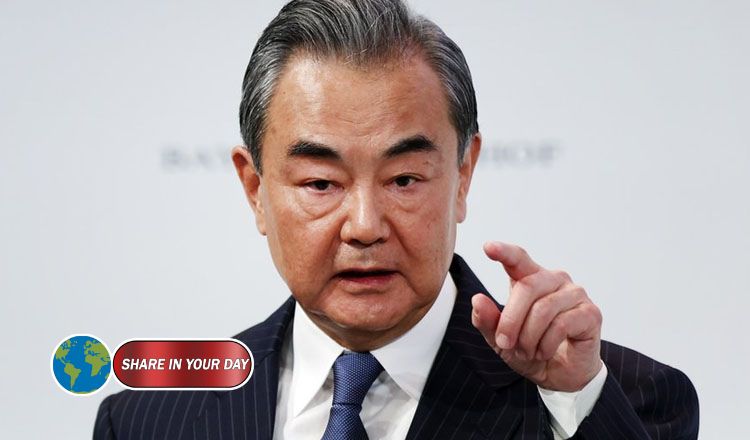
Guo Jiakun emphasized China’s consistent stance on the issue, highlighting that Beijing has always advocated for peaceful dialogue and sought to maintain an impartial position on the Cambodia-Thailand border dispute. During the phone calls, Foreign Minister Wang Yi reiterated China’s support for ASEAN’s mediation efforts and underscored Beijing’s commitment to helping restore peace in the region.
China’s diplomatic approach has been to encourage both countries to prioritize dialogue over conflict. In line with this, a Special Envoy for Asian Affairs from the Chinese Foreign Ministry has been dispatched to both Cambodia and Thailand for “shuttle diplomacy,” where the envoy will work directly with leaders from both sides to facilitate further talks and ensure the ceasefire is upheld.
ASEAN’s Role in Mediation
While China’s mediation efforts have been crucial in securing the ceasefire, ASEAN remains the primary regional body overseeing peace efforts. ASEAN’s role in this dispute has been highlighted as essential in maintaining stability in Southeast Asia, given the strategic importance of both Cambodia and Thailand in the region. The organization has long championed the principles of non-interference, peaceful dispute resolution, and mutual respect for sovereignty, making it an ideal platform for resolving cross-border conflicts.
The recent talks have shown the potential for cooperation among major regional players, such as China and ASEAN, to help address tensions that could otherwise spiral into full-scale conflict. Both Cambodia and Thailand, with their shared history of diplomatic relations with China, have expressed confidence in the role of the Chinese government in this mediation process.
The Path Forward
Although the ceasefire marks a promising step toward resolving the Cambodia-Thailand border dispute, the situation remains fluid. The real challenge now lies in ensuring that both sides honor their commitment to peace and work toward a long-term resolution. Continued dialogue, supported by both ASEAN and China, will be essential to prevent future flare-ups and ensure that the ceasefire holds.
China’s active involvement in facilitating these talks reflects the growing role of Beijing in regional diplomacy. By positioning itself as a neutral mediator, China has not only helped reduce immediate tensions but also strengthened its diplomatic ties with both Cambodia and Thailand.
As the situation develops, the international community will be watching closely to see whether the ceasefire will be fully implemented and whether this diplomatic breakthrough can lead to lasting peace along the Cambodia-Thailand border.