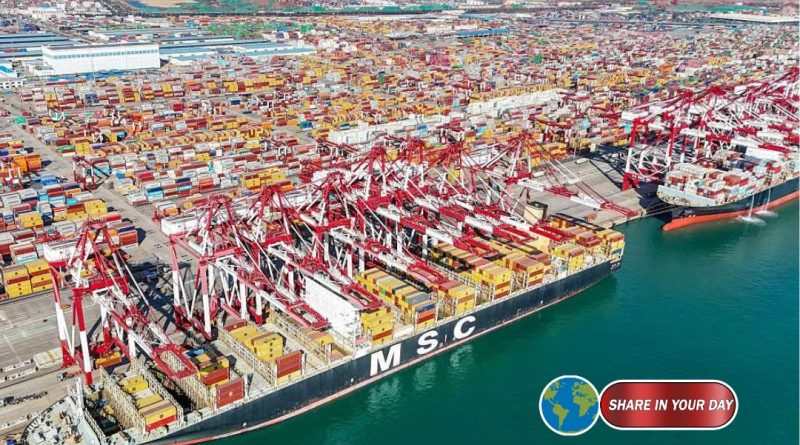
China’s Trade Surplus Hits $1 Trillion for the First Time Ever Amid U.S. Tariffs
Dec 8, 2025 – Reuters
In a historic milestone for the world’s second-largest economy, China’s trade surplus has soared to $1 trillion for the first time ever, despite the ongoing trade tensions with the United States. Data released by Chinese customs on Monday highlighted a significant achievement for the country’s economy, which has managed to maintain global export growth even in the face of U.S. tariffs imposed under former President Donald Trump.
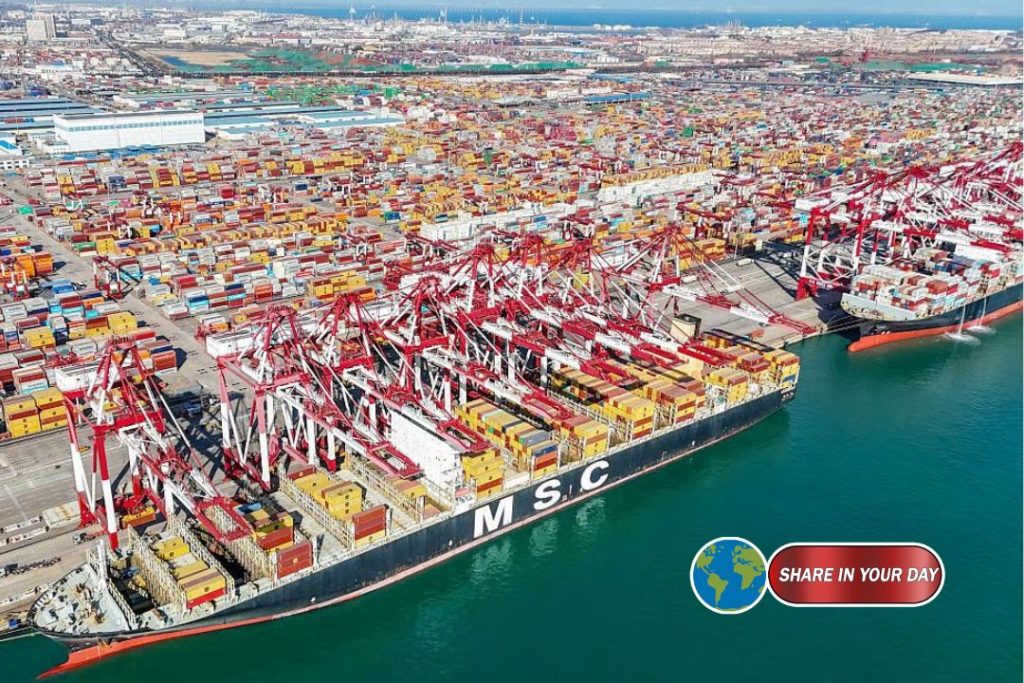
While the Trump administration’s tariffs have heavily impacted Chinese exports to the U.S., China has found new customers in other parts of the world, mitigating the impact of the trade war. November’s figures show that China’s overall exports were up 5.9% from the previous year, with exports to markets in Europe, Africa, Latin America, and Asia rising significantly.
Impact of U.S. Tariffs on Chinese Exports
The sharpest drop in exports was seen in trade with the United States, where shipments fell by nearly 29%. This was a direct result of the tariffs President Trump imposed during his administration, which reached as high as 145% at one point earlier this year. The heavy import taxes initially brought U.S.-China trade to a virtual standstill. However, with some tariff reductions over the past few months—currently set at 47.5%—trade between the two nations has resumed, albeit at a much slower pace.
Despite these challenges, China’s overall export numbers have remained resilient, underscoring its ability to adapt to changing global economic dynamics. The country has focused on diversifying its customer base, with a particular emphasis on markets outside of the U.S.
China Expands Trade in New Global Markets
While the U.S. remains one of China’s largest trading partners, its shrinking market share has pushed China to strengthen trade relationships with other regions. Exports to the European Union, Africa, and Latin America have surged as the country pivots to a broader range of international markets.
China’s exports to these regions have not only offset the drop in U.S. demand but have also helped the country maintain its competitive edge in key industries, such as electronics, machinery, and consumer goods. Analysts suggest that this strategic shift may position China even more favorably in the global supply chain, especially as Western nations seek to reduce their dependency on Chinese goods.
China’s Trade Surplus: A Key Indicator of Economic Strength
The $1 trillion trade surplus is seen as a reflection of China’s economic resilience and global influence. While imports to China have risen slightly by 1.2% in November, the trade balance remains heavily skewed in favor of exports. This surplus is expected to continue to grow, bolstered by China’s strong position as a manufacturing powerhouse and its expanding footprint in global trade.
The trade surplus also points to China’s robust foreign exchange reserves, which provide the country with significant financial stability. As global markets continue to recover from the economic shock of the COVID-19 pandemic, China is likely to maintain its position as a leading economic player.
Looking Ahead: The Future of U.S.-China Trade Relations
Though the trade war between the U.S. and China has cooled following the end of Trump’s presidency, the relationship remains fraught with tensions. President Biden’s administration has yet to fully resolve the tariff issues, and there are concerns that new trade barriers could be introduced as part of ongoing negotiations.
For China, the path forward involves balancing its relationship with the U.S. while expanding its global market reach. The country’s strategy of increasing trade with other regions may ultimately reduce its reliance on the U.S. market, making its economy more resilient to external shocks.
China’s trade surplus milestone underscores the growing importance of the global economy’s diversification. As other countries move to decouple from China, Beijing’s ability to find new markets and retain its competitive edge will be crucial to maintaining its economic momentum in the years to come.