Gas Prices Surge: How Trump’s Iran Strategy Is Driving a Global Energy Shock
The rapid rise in gas prices Trump Iran tensions have triggered is now one of the most pressing economic concerns of 2026. As the conflict between the United States and Iran intensifies, fuel prices have surged dramatically—impacting households, businesses, and global markets alike.
At the center of this crisis is the Strait of Hormuz, a narrow but vital shipping lane through which roughly 20% of the world’s oil supply passes. Disruptions in this region, combined with aggressive military actions and political uncertainty, have created a perfect storm for rising energy costs.
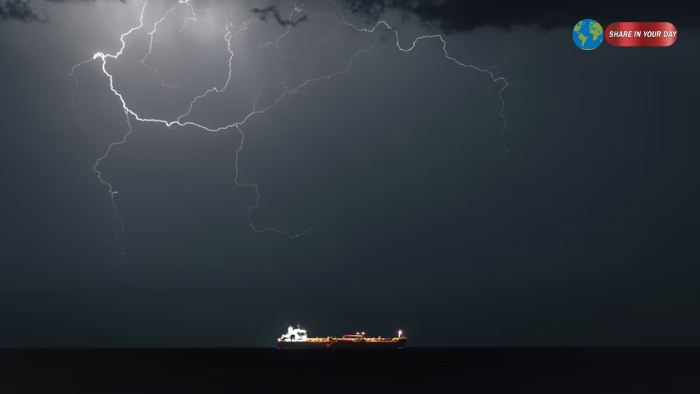
Why Gas Prices Are Rising So Fast
The primary driver behind the surge in gas prices Trump Iran is the disruption of global oil supply chains. The ongoing war has effectively halted or severely restricted tanker traffic through the Strait of Hormuz, causing a sharp decline in available oil.
This is not a minor disruption—it is one of the largest energy shocks in modern history. According to multiple reports, tanker traffic in the strait has dropped dramatically, with shipping activity nearly collapsing at certain points.
As a result:
- Oil prices have surged past $100 per barrel
- U.S. gas prices have exceeded $4 per gallon
- Diesel and jet fuel costs have spiked significantly
Recent data shows the average U.S. gasoline price climbed above $4 per gallon for the first time since 2022, reflecting how quickly the crisis has escalated.
The Strait of Hormuz: The World’s Most Critical Oil Chokepoint
The Strait of Hormuz plays a central role in the gas prices Trump Iran crisis. This narrow waterway connects the Persian Gulf to global markets and is essential for transporting oil from major producers such as Saudi Arabia, Iraq, and the United Arab Emirates.
When Iran restricted access to the strait in response to U.S. military actions, the consequences were immediate and severe:
- Around 20% of global oil supply was disrupted
- Shipping companies halted operations
- Insurance costs for tankers surged
This disruption has been described as the biggest shock to global energy supply since the 1970s oil crisis.
Trump’s Strategy and Its Economic Impact
President Donald Trump’s approach to the conflict has played a significant role in shaping the current situation. His administration has prioritized military pressure over diplomatic negotiations, aiming to weaken Iran’s capabilities quickly.
However, this strategy has had unintended consequences for energy markets.
Rising Fuel Costs
Gas prices have increased sharply across the United States, with some regions experiencing even higher spikes. In states like California and Washington, prices have climbed well above the national average.
Inflation Pressure
Higher fuel costs are driving up prices across the economy, including transportation, food, and manufacturing.
Political Risks
The surge in gas prices Trump Iran is also creating political challenges, as rising costs directly impact voters and businesses.
Could Oil Prices Hit $200?
Analysts warn that the situation could get significantly worse. If disruptions in the Strait of Hormuz continue, oil prices could skyrocket to extreme levels.

Get ready for $200 a barrel oil prices if Hormuz stays closed


Oil slides as Middle East uncertainty keeps markets on edge

US average fuel price passes $4 a gallon for first time in four years amid Iran war
Some forecasts suggest oil could reach as high as $200 per barrel under worst-case scenarios.
Already, the market is showing signs of stress:
- Oil prices exceeding $100 per barrel
- Global supply chains under pressure
- Emergency energy measures being considered
These developments highlight how fragile the current situation is—and how quickly it could escalate.
Why Prices Won’t Drop Quickly
Even if the conflict ends soon, experts warn that gas prices may not fall immediately.
There are several reasons for this:
1. Damaged Infrastructure
Oil facilities and shipping routes may take weeks or months to repair.
2. Supply Chain Delays
Even after reopening the Strait of Hormuz, it will take time for oil to flow normally again.
3. Market Psychology
Energy markets tend to remain volatile after major disruptions, keeping prices elevated.
Experts emphasize that recovery will likely be slow, describing it as a “gradual process” rather than a quick return to normal.
Global Ripple Effects Beyond Gas Prices
The impact of the gas prices Trump Iran crisis extends far beyond fuel costs.
Food Prices
Rising energy costs increase transportation and production expenses, leading to higher food prices globally.
Supply Chains
Shipping disruptions affect not just oil, but also key materials such as fertilizers and industrial goods.
Economic Growth
Higher energy prices can slow economic growth and increase the risk of recession.
According to analysts, the ongoing conflict is already contributing to global inflation and economic uncertainty.
Trump’s Claim: Prices Will Fall After Withdrawal
President Trump has suggested that gas prices will drop once the U.S. exits the conflict. He argues that reopening the Strait of Hormuz will restore oil flows and stabilize markets.
However, experts remain skeptical.
While reopening the strait would certainly help, the long-term impact depends on:
- The extent of infrastructure damage
- Whether Iran resumes normal exports
- The stability of the region after U.S. withdrawal
Without a formal agreement, there is also a risk that tensions could flare up again, causing further disruptions.
What Happens Next?
The future of the gas prices Trump Iran crisis depends on several key factors:
Military Developments
If the U.S. achieves its objectives quickly, it may withdraw sooner than expected.
Diplomatic Efforts
A negotiated agreement could help stabilize the region and restore oil flows.
Iran’s Response
Iran’s actions will be critical in determining whether the Strait of Hormuz fully reopens.
Market Reactions
Oil traders and investors will continue to influence price movements based on perceived risks.
Four Possible Scenarios
Experts outline several possible outcomes:
1. Quick Resolution
The conflict ends, the strait reopens, and prices gradually fall.
2. Prolonged Disruption
Shipping remains restricted, keeping prices high for months.
3. Escalation
Further military action leads to even greater supply disruptions.
4. Global Energy Shift
Countries accelerate investment in alternative energy to reduce dependence on oil.
Conclusion: A Crisis Far From Over
The surge in gas prices Trump Iran tensions has created a global energy crisis with far-reaching consequences. While the situation may stabilize if the conflict ends soon, the risks remain significant.
With oil markets on edge, global economies under pressure, and geopolitical tensions still high, the coming weeks will be critical in determining whether this crisis eases—or intensifies further.
For now, one thing is clear: the price at the pump is no longer just an economic issue—it is a reflection of one of the most volatile geopolitical moments in recent history.