High Gas Prices Revealed: 5 Ways You Save Money
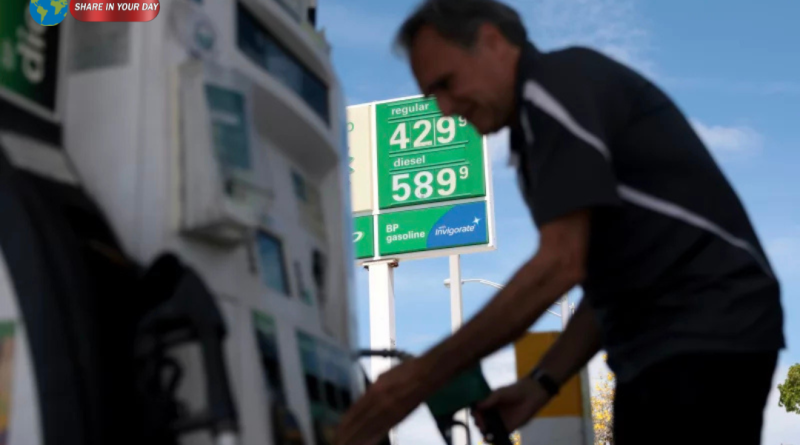
High gas prices are usually seen as bad news for consumers. However, recent economic analysis suggests a surprising twist: high gas prices save money in indirect ways by changing how people spend and manage their budgets.
As global tensions rise due to the ongoing conflict involving Iran, fuel prices have surged sharply. While households feel immediate pressure at the pump, economists say the broader financial impact may not be entirely negative.
In fact, high gas prices save money by forcing spending adjustments that can slow inflation and stabilize the economy over time.
Why High Gas Prices Are Rising Globally
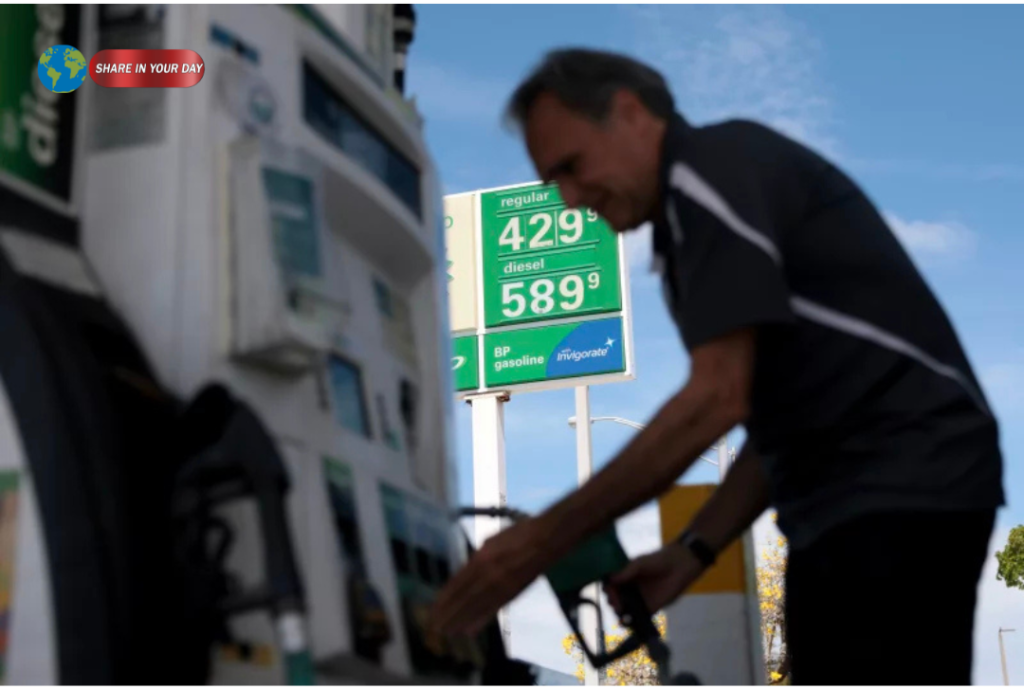
The recent spike in fuel costs is largely tied to geopolitical instability, particularly involving Iran and critical oil supply routes.
The Strait of Hormuz, one of the world’s most important oil transit chokepoints, plays a major role in this situation. A significant portion of global oil supply passes through this narrow waterway.
When tensions rise:
- Oil shipments face disruption
- Supply decreases
- Prices increase rapidly
As a result, gasoline prices have climbed sharply across global markets, affecting consumers in both developed and emerging economies.
How High Gas Prices Save Money in Daily Life
At first glance, it may seem contradictory. How can paying more for fuel actually help people save?
The answer lies in behavioral economics. When fuel costs rise, people naturally adjust their spending habits.
Here are five key ways high gas prices save money:
1. Reduced Non-Essential Spending
When households spend more on gas, they tend to cut back on discretionary purchases.
This includes:
- Dining out
- Entertainment
- Luxury shopping
As a result, individuals become more selective with spending. Over time, this leads to better financial discipline.
Therefore, even though gas costs more, total spending may decrease.
2. Fewer Unnecessary Trips
High fuel prices encourage people to:
- Combine errands
- Work remotely when possible
- Reduce leisure driving
This behavior not only saves fuel but also reduces wear and tear on vehicles.
In the long run, this translates into:
- Lower maintenance costs
- Fewer repair expenses
3. Increased Budget Awareness
When fuel prices spike, consumers become more aware of their financial habits.
They start:
- Tracking expenses
- Planning purchases more carefully
- Prioritizing essential spending
This increased awareness is one of the biggest reasons why high gas prices save money over time.
4. Lower Overall Demand in the Economy
As consumers cut back, overall demand for goods and services decreases.
This has a ripple effect:
- Businesses slow price increases
- Inflation pressure eases
- Markets stabilize
In economic terms, high gas prices act as a cooling mechanism for inflation.
5. Encouraging Smarter Lifestyle Choices
Rising fuel costs also push people toward:
- Public transportation
- Carpooling
- Fuel-efficient vehicles
These changes can significantly reduce long-term expenses.
In many cases, households end up saving more than they initially expected.
The Link Between Gas Prices and Inflation
One of the most important economic insights is how fuel costs influence inflation.
When gas prices rise:
- Transportation becomes more expensive
- Goods cost more to produce and deliver
However, there is a balancing effect.
Because consumers spend less overall:
- Demand decreases
- Price increases slow down
This dynamic helps explain why economists argue that high gas prices save money indirectly by controlling inflation.
The Hidden Downsides of High Gas Prices
While there are some benefits, it’s important to understand the negative impacts as well.
Financial Pressure on Households
Higher fuel costs hit low-income families the hardest. For many, gas is a necessity, not a choice.
This creates:
- Budget strain
- Reduced savings potential
Slower Economic Growth
When consumers spend less, businesses earn less.
This can lead to:
- Reduced hiring
- Lower investment
- Slower economic expansion
Rising Costs in Other Areas
Fuel prices affect nearly every sector.
As a result:
- Food prices may increase
- Shipping becomes more expensive
- Air travel costs rise
So while high gas prices save money in some ways, they also create broader economic challenges.
Global Impact of the Iran Conflict
The ongoing geopolitical situation involving Iran has amplified these effects worldwide.
Key consequences include:
- Volatile oil markets
- Increased uncertainty for businesses
- Fluctuating energy prices
Global economies remain highly sensitive to disruptions in oil supply. Even small changes can trigger large price swings.
What Happens If Gas Prices Drop?
Recent developments suggest that fuel prices could stabilize if tensions ease.
For example:
- Ceasefire agreements can restore supply routes
- Oil production may increase
- Prices could gradually fall
However, if conflict resumes:
- Prices may spike again
- Economic uncertainty will return
This unpredictability makes it difficult for consumers and businesses to plan long-term.
Expert Insight: A Double-Edged Sword
Economists widely agree that high fuel prices create a paradox.
On one hand:
- They reduce spending
- They slow inflation
On the other:
- They increase financial stress
- They weaken economic growth
This dual effect is why the idea that high gas prices save money is both accurate and controversial.
Practical Tips to Benefit from High Gas Prices
To make the most of this situation, consumers can adopt smarter financial strategies:
- Plan trips efficiently
- Use fuel-saving driving habits
- Monitor monthly expenses
- Shift toward digital or remote alternatives
- Invest in fuel-efficient technology
These steps can help turn a challenging situation into a financial advantage.
Conclusion: The Real Impact of High Gas Prices
High gas prices are not just an inconvenience—they are a powerful economic force.
While they increase immediate costs, they also reshape consumer behavior in ways that can lead to long-term savings.
👉 The key takeaway:
High gas prices save money by forcing smarter spending, reducing demand, and slowing inflation.
However, this benefit comes with trade-offs, including financial strain and slower economic growth.
As global events continue to influence energy markets, understanding these dynamics is essential for navigating an uncertain economic future.