Iran Ceasefire Claim: 5 Shocking War Updates Today
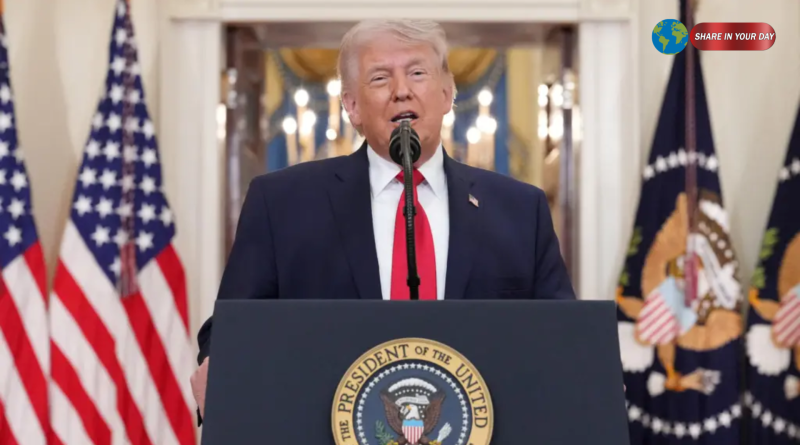
The Iran ceasefire claim has triggered global confusion and rising geopolitical tension after Iran firmly denied statements made by U.S. President Donald Trump regarding a supposed request to end the war.
According to live updates from BBC News, Iran’s foreign ministry described Trump’s claim as “false and baseless,” directly contradicting his public statements.
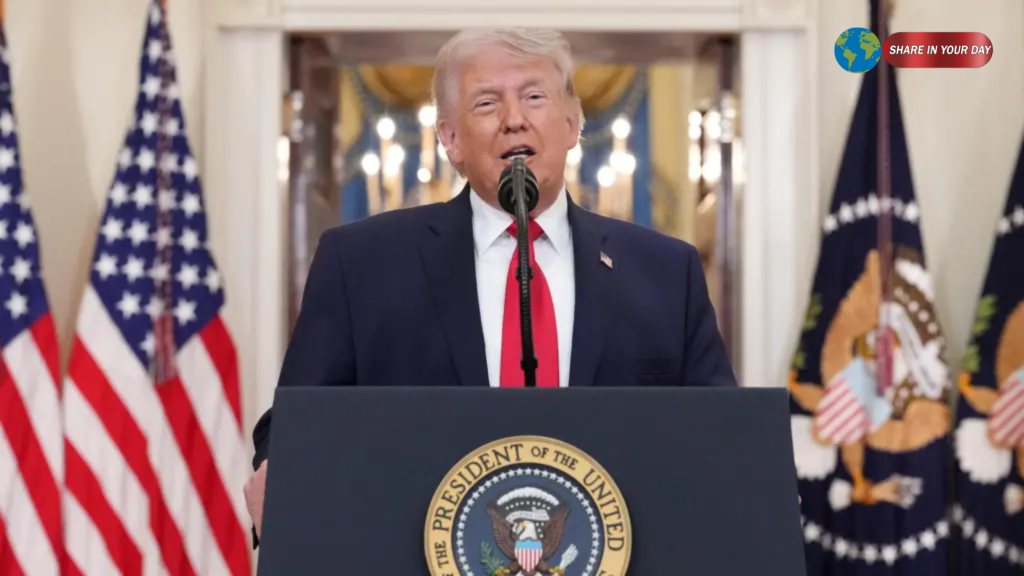
This dramatic contradiction has intensified uncertainty in an already volatile Middle East conflict, with military activity, oil market reactions, and diplomatic tensions all escalating simultaneously.
Here are five shocking developments shaping the crisis right now.
1. Iran Flatly Rejects Trump’s Ceasefire Claim
At the center of the Iran ceasefire claim controversy is a direct contradiction between Washington and Tehran.
Trump stated that Iran’s “new regime president” had asked the United States for a ceasefire. However, Iranian officials quickly rejected this narrative.
Iran’s foreign ministry called the claim “false and baseless,” emphasizing that no such request had been made.
This sharp denial highlights the deep communication breakdown between the two nations — and raises concerns about misinformation influencing global markets and diplomacy.
2. Trump Issues Explosive Warning on War
Adding fuel to the situation, Trump issued a strong warning regarding ongoing military operations.
He declared that the United States would only consider a ceasefire if the Strait of Hormuz is fully reopened and secured. Otherwise, he warned that the U.S. would continue aggressive action.
This statement signals that the conflict is far from de-escalation.
The Strait of Hormuz remains a critical global shipping route, responsible for a large portion of the world’s oil supply. Any disruption there has immediate international consequences.
3. Global Oil Markets React Instantly
The Iran ceasefire claim has already impacted global financial markets — particularly oil prices.
According to the BBC live coverage, oil prices briefly fell below $100 per barrel amid mixed signals about a potential ceasefire.
However, analysts warn that volatility is likely to continue due to:
- Conflicting political statements
- Ongoing military strikes
- Uncertainty over shipping routes
Therefore, the energy market remains highly sensitive to any updates from the conflict.
4. War Escalation Continues Across the Region
Despite discussions about a ceasefire, violence across the region has not slowed.
Reports indicate new strikes in both Iran and Israel, along with rising casualties in neighboring areas such as Lebanon, where deaths have surpassed 1,300.
This ongoing escalation suggests that diplomatic solutions remain distant.
Meanwhile, regional instability continues to spread, increasing the risk of a broader conflict involving multiple nations.
5. NATO and Global Alliances Under Pressure
One of the most surprising elements of the Iran ceasefire claim story is its connection to global alliances.
Trump has reportedly suggested he is considering withdrawing the United States from NATO — a move that would significantly reshape global security dynamics.
However, legal barriers make such a decision difficult, as recent legislation limits unilateral withdrawal.
At the same time, the United Kingdom is stepping in diplomatically. Prime Minister Keir Starmer has announced plans to host an international meeting focused on the Strait of Hormuz crisis.
This reflects growing concern among allies about the broader implications of the conflict.
The Bigger Picture: Information War and Reality
The Iran ceasefire claim highlights a deeper issue — the role of information in modern warfare.
Conflicting statements, rapid news cycles, and social media amplification can create confusion even among global leaders and markets.
In this case, the disagreement over a ceasefire request has:
- Shaken investor confidence
- Increased diplomatic tensions
- Raised questions about credibility
As a result, the information battle is becoming almost as important as the physical conflict itself.
Why the Strait of Hormuz Matters So Much
A key factor driving the crisis is the Strait of Hormuz.
This narrow waterway connects the Persian Gulf to global markets and is one of the most strategically important shipping routes in the world.
Any disruption can:
- Spike oil prices globally
- Disrupt international trade
- Trigger military responses from multiple countries
That’s why Trump’s condition — reopening the strait — is central to any potential ceasefire.
What Happens Next?
The situation remains highly fluid, but several key developments are expected:
Continued Military Operations
Unless negotiations begin, both sides are likely to continue strikes.
Diplomatic Efforts
International meetings, particularly involving European and Middle Eastern nations, may attempt to reduce tensions.
Market Volatility
Oil and financial markets will remain unstable as long as uncertainty persists.
Global Impact Beyond the Middle East
The Iran ceasefire claim is not just a regional issue — it has global implications.
Countries around the world are watching closely because:
- Energy prices affect every economy
- Military escalation could involve major powers
- Trade routes are at risk
Even nations far from the conflict will feel the economic and political consequences.
Final Thoughts
The Iran ceasefire claim controversy reveals just how fragile the current global situation is.
With conflicting narratives, ongoing violence, and rising geopolitical tension, the world is facing a moment of high uncertainty.
While diplomatic solutions are still possible, the gap between rhetoric and reality remains wide.
For now, the only certainty is that the situation is far from resolved — and the stakes could not be higher.